THE ADVENTURE COLLECTIVE® · Independent discovery and booking for outdoor travel

Trace ancient Inca pathways through cloud forest, ride a high-altitude downhill, taste farm-to-cup coffee in Lucmabamba and climb to the ruins of Llactapata on a three-day route that finishes at Machu Picchu. This moderate multi-day itinerary blends biking, hiking and cultural stops with thermal baths and local lodges.
Trace ancient Inca pathways through cloud forest, ride a high-altitude downhill, taste farm-to-cup coffee in Lucmabamba and climb to the ruins of Llactapata on a three-day route that finishes at Machu Picchu. This moderate multi-day itinerary blends biking, hiking and cultural stops with thermal baths and local lodges.
Dawn breaks over the high puna as your minivan pulls out of Cusco, headlights slicing through pale mountain air. By the time the road reaches Abra Málaga at roughly 4,200 m, the valley below has already begun to green — a promise of the cloud forest you will descend into over the next three days.
Verified experiences and guided adventures in the surrounding area.
Operated by Vertikal Zipline · Aguas Calientes, Cusco
Dawn breaks over the high puna as your minivan pulls out of Cusco, headlights slicing through pale mountain air. By the time the road reaches Abra Málaga at roughly 4,200 m, the valley below has already begun to green — a promise of the cloud forest you will descend into over the next three days.
The route follows sections of old Inca trail and modern farm tracks: from the high puna and the dramatic bike descent toward Santa Teresa, through coffee plantations in Lucmabamba, and up a steep footpath to the Inca site of Llactapata. Llactapata served as a provisioning and observation point for Inca engineers tied to the Machu Picchu network; the stones you step around date back roughly 500 years. Geologically, you move from Andean volcanic and metamorphic ridges into the wet, biodiverse slopes of the eastern cordillera where humidity feeds orchids and hummingbirds.
Culture here is hands-on: family-run coffee farms, local lodges, and small archaeological sites that still support nearby communities. Expect therapeutic thermal baths in Cocalmayo and—on day two—a guided coffee tour that explains traditional processing.
Practical guidance: this is a moderate, multi-day trek with biking, steep trail sections and altitude changes. Acclimatize in Cusco for at least 24–48 hours, bring layered clothing, waterproofs and good boots, and plan for variable weather. Machu Picchu entry is scheduled on day three; train or bus return options must be arranged in advance. Hydrate, pace your ascent, and carry cash for small local purchases.
moderate.
3 days.
Moderately fit: comfortable with sustained uphill hikes, long descents on uneven terrain, and several hours of cycling or walking each day.
Yes. The itinerary includes a guided visit to Machu Picchu on day three; you must hold a valid Machu Picchu entry ticket (and train/bus reservations as applicable) — the operator will advise booking requirements.
The downhill is classed as moderate: long descents over mixed surfaces with stream crossings. Instructors provide safety briefings and protective gear; prior basic cycling skill helps.
Yes — the tour includes a three-hour guided exploration followed by free time to walk additional sectors within the permitted timetable and head back on your chosen transport.
The trip includes family lodges and a hotel night in Aguas Calientes, with breakfasts, lunches and dinners specified in the itinerary; options for vegetarian and vegan meals are available.
Llactapata was an Inca administrative and agricultural outpost tied to the Machu Picchu network; many stone paths you walk are original Inca routes over 500 years old.
The cloud forest is ecologically sensitive; stick to trails, minimize plastic waste, and respect local communities who depend on tourism income and natural resources.
Vertikal Zipline operates guided outdoor trips and adventures with an emphasis on safety, stewardship, and memorable experiences.
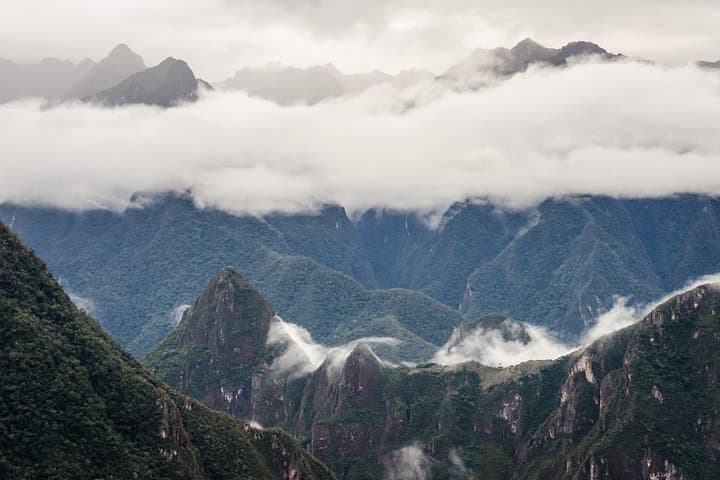
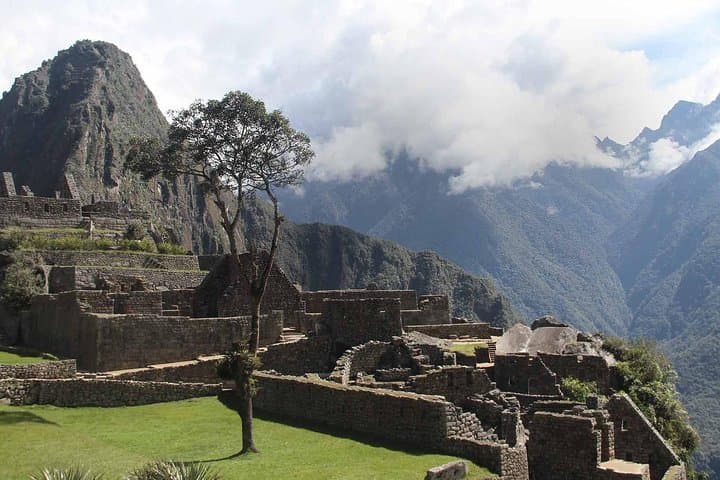
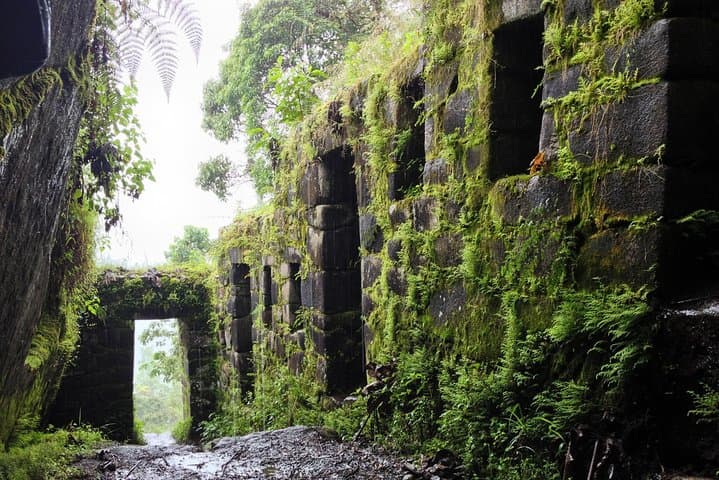
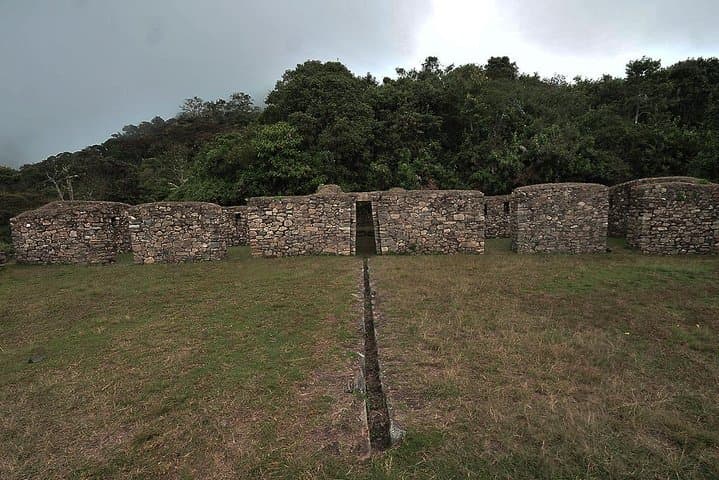
Dawn breaks over the high puna as your minivan pulls out of Cusco, headlights slicing through pale mountain air. By the time the road reaches Abra Málaga at roughly 4,200 m, the valley below has already begun to green — a promise of the cloud forest you will descend into over the next three days.
Dawn breaks over the high puna as your minivan pulls out of Cusco, headlights slicing through pale mountain air. By the time the road reaches Abra Málaga at roughly 4,200 m, the valley below has already begun to green — a promise of the cloud forest you will descend into over the next three days.
The route follows sections of old Inca trail and modern farm tracks: from the high puna and the dramatic bike descent toward Santa Teresa, through coffee plantations in Lucmabamba, and up a steep footpath to the Inca site of Llactapata. Llactapata served as a provisioning and observation point for Inca engineers tied to the Machu Picchu network; the stones you step around date back roughly 500 years. Geologically, you move from Andean volcanic and metamorphic ridges into the wet, biodiverse slopes of the eastern cordillera where humidity feeds orchids and hummingbirds.
Culture here is hands-on: family-run coffee farms, local lodges, and small archaeological sites that still support nearby communities. Expect therapeutic thermal baths in Cocalmayo and—on day two—a guided coffee tour that explains traditional processing.
Practical guidance: this is a moderate, multi-day trek with biking, steep trail sections and altitude changes. Acclimatize in Cusco for at least 24–48 hours, bring layered clothing, waterproofs and good boots, and plan for variable weather. Machu Picchu entry is scheduled on day three; train or bus return options must be arranged in advance. Hydrate, pace your ascent, and carry cash for small local purchases.