THE ADVENTURE COLLECTIVE® · Independent discovery and booking for outdoor travel

A full-day crossing from Zagreb to Slovenia’s capital and karst highlights: wander Ljubljana’s riverfront, ride into Postojna Cave, and stand beneath the cliff-hugging Predjama Castle. This practical guide prepares you for a long, geology-rich day of walking, stairs, and unforgettable views.
A full-day crossing from Zagreb to Slovenia’s capital and karst highlights: wander Ljubljana’s riverfront, ride into Postojna Cave, and stand beneath the cliff-hugging Predjama Castle. This practical guide prepares you for a long, geology-rich day of walking, stairs, and unforgettable views.
Morning light spills across the Sava as the coach pulls out of Zagreb; within an hour the landscape shifts from lowland suburbs to the folded limestone of the Karst. In Ljubljana, travelers step off into a compact capital where baroque facades and Art Nouveau details line a lively riverfront and the Dragon Bridge keeps a watchful eye.
Verified experiences and guided adventures in the surrounding area.
Operated by To do in Slovenia · Postojna, Inner Carniola
Morning light spills across the Sava as the coach pulls out of Zagreb; within an hour the landscape shifts from lowland suburbs to the folded limestone of the Karst. In Ljubljana, travelers step off into a compact capital where baroque facades and Art Nouveau details line a lively riverfront and the Dragon Bridge keeps a watchful eye.
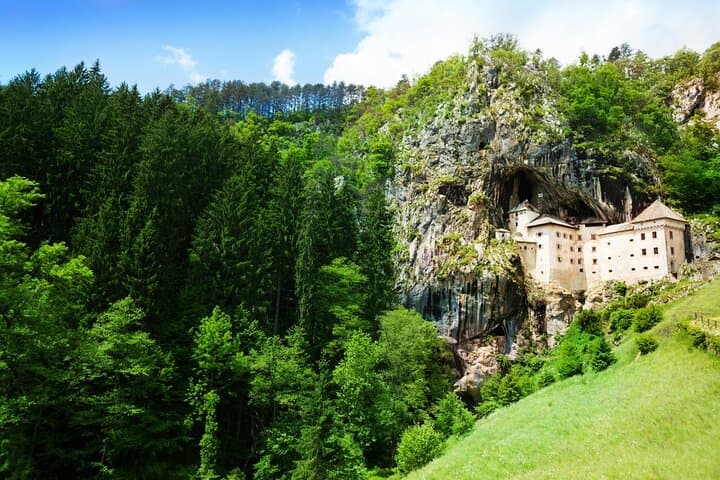
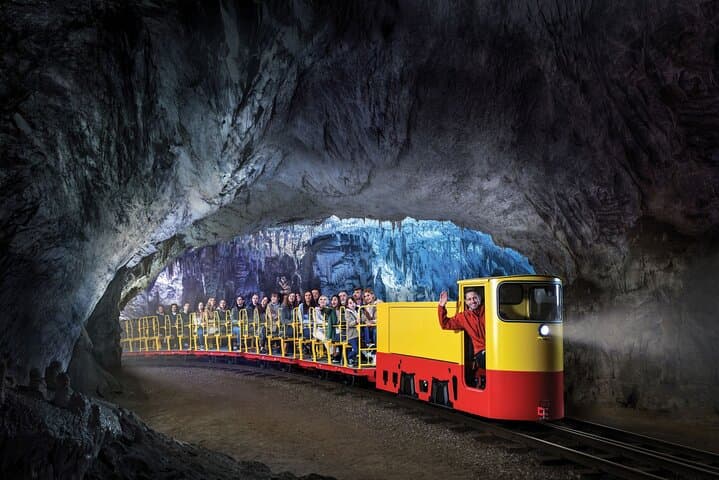
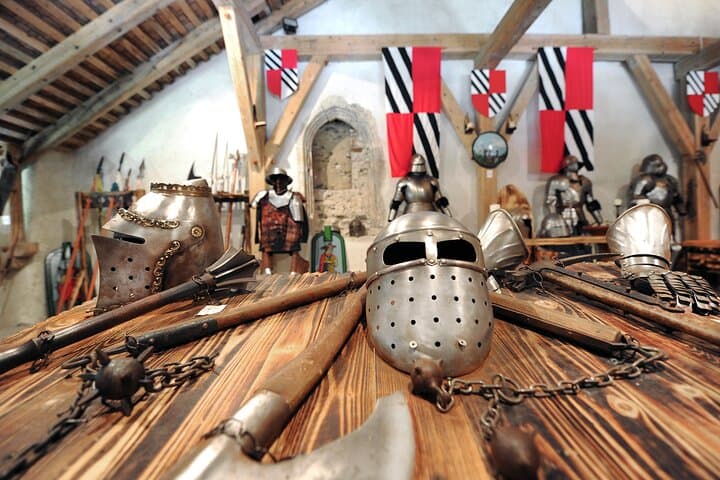
The route then cuts southwest into classic karst country: Postojna Cave yawns beneath fields and oak woods, a train ride dropping visitors into chambers strewn with stalactites and stalagmites that took millennia to grow. The cave’s cool, damp air insists on quiet respect—touching formations risks irreparable damage. A short drive from the cave, Predjama Castle perches halfway into a cliff, a medieval stronghold threaded with legends of sieges and its most famous occupant, the rebellious knight Erasmus.
History and geology here are inseparable: the soluble limestone sculpted both subterranean cathedrals and the hilltops that hosted fortresses. Culture threads through Ljubljana’s cafés and markets—try a quick stop at the riverside for local pastry and an espresso to match the pace of the day.
Practical guidance: expect a long day (roughly 12–13 hours) with multiple short walks and stairs in the cave and castle; wear grippy shoes and carry a light jacket for the cave’s 8–10°C temperatures. Bring passport or ID for cross-border travel, and book early in peak season to avoid sold-out departures. The itinerary balances easy urban walking with commanding natural and historic sights—accessible, informative, and richly textured.
easy.
12–13 hours.
Suitable for travelers who can handle several hours of easy walking and climbing stairs; not strenuous but involves long day on your feet.
Yes—because the tour crosses from Croatia into Slovenia, bring a passport or EU national ID to present at border crossings if requested.
Parts of Postojna Cave use a train and have level sections, but there are still stairs and uneven paths; check with the operator for accessibility accommodations prior to booking.
Meals are not included—there are opportunities to buy food in Ljubljana and at tourist facilities, so bring snacks or money for lunch and coffee stops.
Yes—entrance to Predjama Castle and its audio guide are included on the itinerary, though some interior spaces involve narrow passages and steps.
Predjama Castle’s dramatic cliff-side position and connected cave network were ideal for medieval defense; the wider Karst region is the classic example of limestone dissolution that creates caves and sinkholes.
The karst and cave environments are fragile—follow marked paths, avoid touching speleothems, and use waste bins; local sites limit group sizes to reduce wear on sensitive areas.
To do in Slovenia operates guided outdoor trips and adventures with an emphasis on safety, stewardship, and memorable experiences.

Morning light spills across the Sava as the coach pulls out of Zagreb; within an hour the landscape shifts from lowland suburbs to the folded limestone of the Karst. In Ljubljana, travelers step off into a compact capital where baroque facades and Art Nouveau details line a lively riverfront and the Dragon Bridge keeps a watchful eye.
Morning light spills across the Sava as the coach pulls out of Zagreb; within an hour the landscape shifts from lowland suburbs to the folded limestone of the Karst. In Ljubljana, travelers step off into a compact capital where baroque facades and Art Nouveau details line a lively riverfront and the Dragon Bridge keeps a watchful eye.
The route then cuts southwest into classic karst country: Postojna Cave yawns beneath fields and oak woods, a train ride dropping visitors into chambers strewn with stalactites and stalagmites that took millennia to grow. The cave’s cool, damp air insists on quiet respect—touching formations risks irreparable damage. A short drive from the cave, Predjama Castle perches halfway into a cliff, a medieval stronghold threaded with legends of sieges and its most famous occupant, the rebellious knight Erasmus.
History and geology here are inseparable: the soluble limestone sculpted both subterranean cathedrals and the hilltops that hosted fortresses. Culture threads through Ljubljana’s cafés and markets—try a quick stop at the riverside for local pastry and an espresso to match the pace of the day.
Practical guidance: expect a long day (roughly 12–13 hours) with multiple short walks and stairs in the cave and castle; wear grippy shoes and carry a light jacket for the cave’s 8–10°C temperatures. Bring passport or ID for cross-border travel, and book early in peak season to avoid sold-out departures. The itinerary balances easy urban walking with commanding natural and historic sights—accessible, informative, and richly textured.