THE ADVENTURE COLLECTIVE® · Independent discovery and booking for outdoor travel

Descend into Slovenia’s karst underworld at Postojna Cave, meet the subterranean olm, then climb back into history at Predjama Castle—a fortress built into a cliff. This day trip from Ljubljana mixes geology, wildlife, and medieval drama with practical, easy-to-follow logistics.
Descend into Slovenia’s karst underworld at Postojna Cave, meet the subterranean olm, then climb back into history at Predjama Castle—a fortress built into a cliff. This day trip from Ljubljana mixes geology, wildlife, and medieval drama with practical, easy-to-follow logistics.
Step off a coach at a cool stone mouth and the air shifts—damp, mineral-scented, the cave itself seeming to breathe. Postojna Cave opens like a pale world beneath Slovenia’s karst plateaus where streams have been carving chalky halls for millennia. A narrow-gauge train slides you into vast galleries; stalagmites and stalactites loom like slow-grown sculptures, and the olm—the pale, blind amphibian locals call the “human fish”—rests in shadowy pools as if guarding the underground passages.
Verified experiences and guided adventures in the surrounding area.
Operated by Day Trips Slovenia · Postojna, Inner Carniola
Step off a coach at a cool stone mouth and the air shifts—damp, mineral-scented, the cave itself seeming to breathe. Postojna Cave opens like a pale world beneath Slovenia’s karst plateaus where streams have been carving chalky halls for millennia. A narrow-gauge train slides you into vast galleries; stalagmites and stalactites loom like slow-grown sculptures, and the olm—the pale, blind amphibian locals call the “human fish”—rests in shadowy pools as if guarding the underground passages.
Above ground, Predjama Castle clings to a vertical limestone face: a medieval keep built into the cave mouth, its battlements staring out across a valley once ruled by cliffside sieges and folklore. Geology and human history are inseparable here—karst channels, sinkholes, and caves shaped settlement patterns and defense strategies through the Middle Ages.
Culturally, the area reflects rural Inner Carniola traditions: stone architecture, simple fare, and guide-led interpretation that links natural history with local legend. The cave ecosystem is fragile—lighting, visitor flow, and noise are managed to protect the olm and bat colonies.
Practical guide: the standard day tour from Ljubljana runs about six hours and includes coach transport and English commentary. Expect steady walking on paved but sometimes wet paths and steps; temperatures underground stay around 8–10°C (46–50°F), so a light jacket is essential. Comfortable, grippy footwear, a small pack for layers and water, and a charged camera will keep you ready. Book in advance during summer and arrive with modest expectations: photography rules and conservation measures are enforced to preserve both the caves and the creatures that live there.
moderate.
6 hours.
Moderate fitness for walking and climbing steps; comfortable on uneven, wet surfaces.
The full tour runs about six hours including coach transport from Ljubljana and guided visits at Postojna Cave and Predjama Castle.
The standard day trip typically includes Postojna Cave and Predjama Castle entrance fees—confirm details on your booking confirmation.
The cave has paved walkways but includes steps and some uneven areas; it’s not recommended for travelers with serious spinal or cardiovascular problems—check accessibility options before booking.
Photography is allowed in many parts but flash and close-up disturbance of wildlife are restricted; follow your guide’s rules to protect the animals and formations.
Predjama Castle is a Renaissance fortress built into a cave mouth with medieval roots and legendary links to a rebellious knight; Postojna has hosted visitors for over 200 years.
The karst caves host sensitive species and fragile formations—visitor numbers, lighting, and behavior are managed to reduce impact and protect the olm and bat colonies.
Day Trips Slovenia operates guided outdoor trips and adventures with an emphasis on safety, stewardship, and memorable experiences.
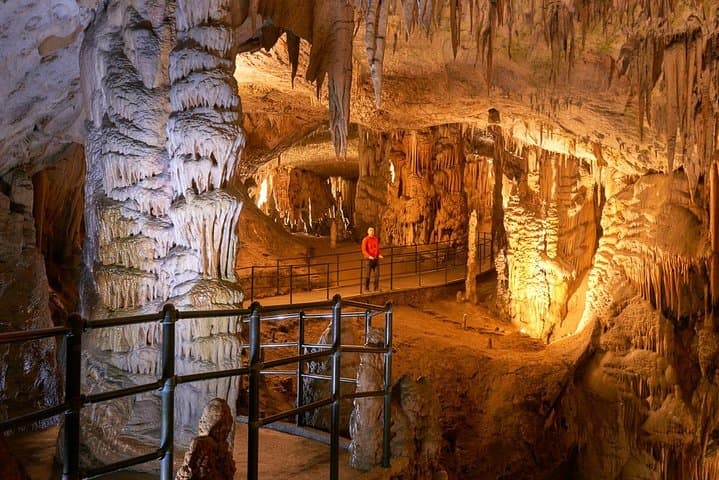
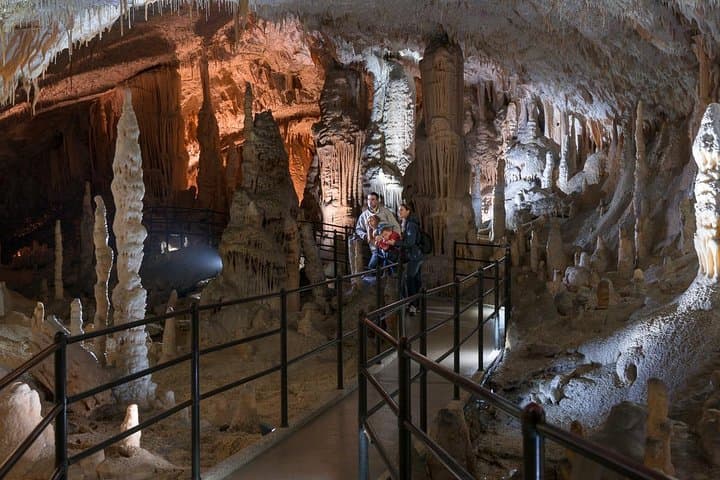
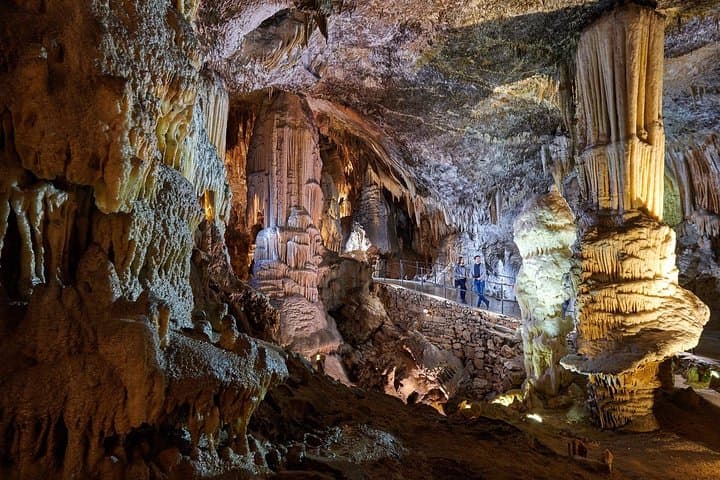
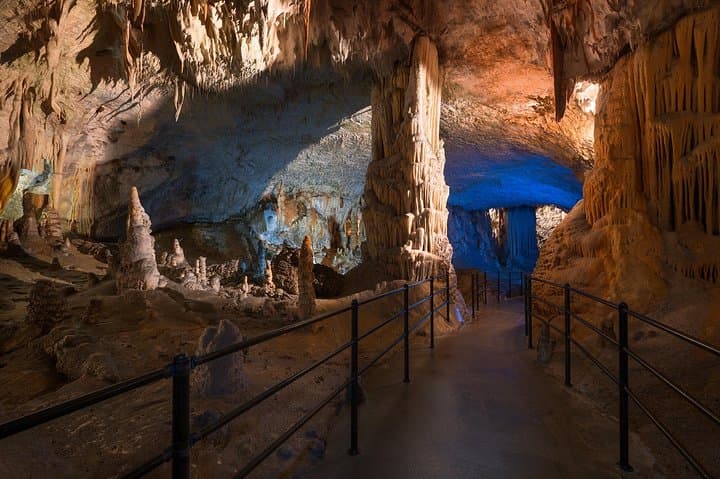
Step off a coach at a cool stone mouth and the air shifts—damp, mineral-scented, the cave itself seeming to breathe. Postojna Cave opens like a pale world beneath Slovenia’s karst plateaus where streams have been carving chalky halls for millennia. A narrow-gauge train slides you into vast galleries; stalagmites and stalactites loom like slow-grown sculptures, and the olm—the pale, blind amphibian locals call the “human fish”—rests in shadowy pools as if guarding the underground passages.
Step off a coach at a cool stone mouth and the air shifts—damp, mineral-scented, the cave itself seeming to breathe. Postojna Cave opens like a pale world beneath Slovenia’s karst plateaus where streams have been carving chalky halls for millennia. A narrow-gauge train slides you into vast galleries; stalagmites and stalactites loom like slow-grown sculptures, and the olm—the pale, blind amphibian locals call the “human fish”—rests in shadowy pools as if guarding the underground passages.
Above ground, Predjama Castle clings to a vertical limestone face: a medieval keep built into the cave mouth, its battlements staring out across a valley once ruled by cliffside sieges and folklore. Geology and human history are inseparable here—karst channels, sinkholes, and caves shaped settlement patterns and defense strategies through the Middle Ages.
Culturally, the area reflects rural Inner Carniola traditions: stone architecture, simple fare, and guide-led interpretation that links natural history with local legend. The cave ecosystem is fragile—lighting, visitor flow, and noise are managed to protect the olm and bat colonies.
Practical guide: the standard day tour from Ljubljana runs about six hours and includes coach transport and English commentary. Expect steady walking on paved but sometimes wet paths and steps; temperatures underground stay around 8–10°C (46–50°F), so a light jacket is essential. Comfortable, grippy footwear, a small pack for layers and water, and a charged camera will keep you ready. Book in advance during summer and arrive with modest expectations: photography rules and conservation measures are enforced to preserve both the caves and the creatures that live there.