THE ADVENTURE COLLECTIVE® · Independent discovery and booking for outdoor travel

Spend a day moving from Zagreb’s streets to Slovenia’s limestone underworld: a guided city walk in Ljubljana, then the train and passages of Postojna Cave, capped by the cliff-splayed Predjama Castle. Practical tips and what to expect for a full-day private tour.
Spend a day moving from Zagreb’s streets to Slovenia’s limestone underworld: a guided city walk in Ljubljana, then the train and passages of Postojna Cave, capped by the cliff-splayed Predjama Castle. Practical tips and what to expect for a full-day private tour.
Morning light on the Ljubljanica threads through Ljubljana’s low-arched bridges as your private vehicle hums south from Zagreb, delivering you into a compact capital that wears its history plainly—baroque facades, a hilltop castle watching the river, market stalls arranged like a local ritual.
Verified experiences and guided adventures in the surrounding area.
Operated by Palma Travel DMC · Postojna, Inner Carniola
Morning light on the Ljubljanica threads through Ljubljana’s low-arched bridges as your private vehicle hums south from Zagreb, delivering you into a compact capital that wears its history plainly—baroque facades, a hilltop castle watching the river, market stalls arranged like a local ritual.
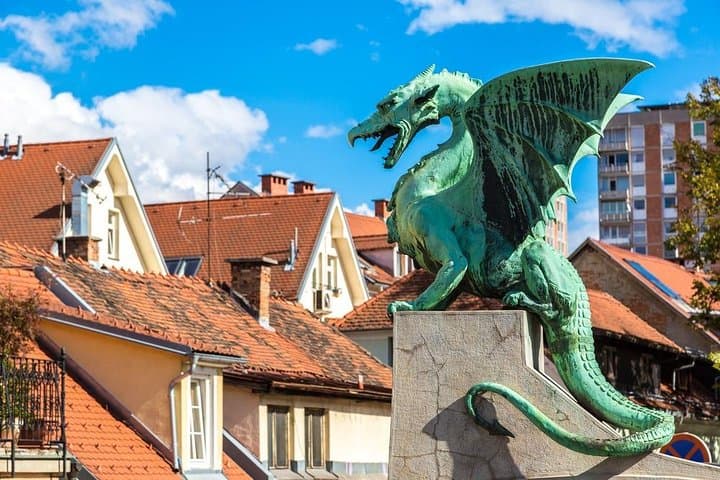
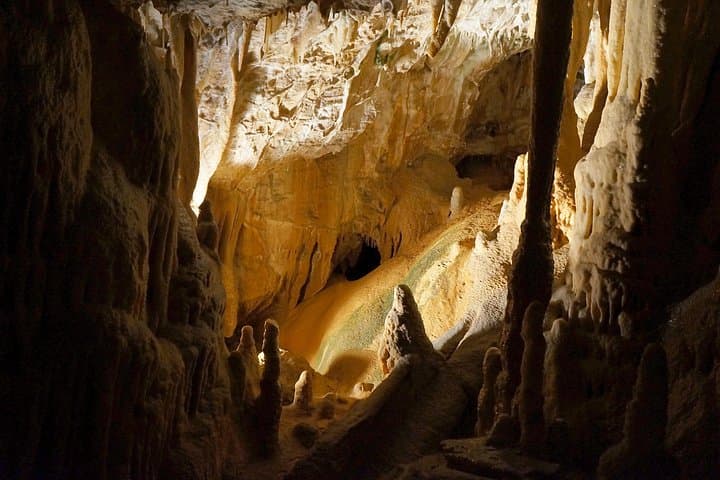
The guide leads a brisk circuit of the old town: Roman foundations beneath modern pavement, Austro-Hungarian palaces, and the Dragon Bridge guarding stories of medieval trade. From there the road unfolds toward Inner Carniola and Postojna, where limestone undercuts the world. Postojna Cave is both geological cathedral and living laboratory: stalactites and stalagmites grown drop by patient drop, subterranean halls that once guided early speleologists, and the endemic olm—the blind salamander—hiding in the cave’s pools.
Nearby Predjama Castle is half-built into a cliff face, a medieval stronghold that stages the tension between architecture and bedrock. The route ties culture, geology, and human ingenuity: Ljubljana’s market-driven rhythms, Postojna’s speleological breakthroughs, and a castle that borrows the cave’s shadow for defense.
Practical note: the day is long—expect 10–12 hours including drives. Wear grippy shoes for wet cave paths, carry a small pack with water and layers, and set aside cash or card for markets and small museums. Follow the guide’s timing—the cave maintains strict pathways to protect formations and the olm. Early departures beat traffic; comfortable pacing makes the day feel like exploration rather than a checklist.
easy.
10–12 hours.
Suitable for most fitness levels; requires walking on uneven surfaces and short stair sections.
Yes — the tour provides private, air-conditioned transport from Zagreb and between sites.
Postojna Cave admission and the cave train ride are included as part of the itinerary.
Bring a passport or national ID; while there are typically no routine border checks between Croatia and Slovenia, officials may request ID.
The tour involves walking on uneven and sometimes wet surfaces and staircases; it’s not recommended for travelers with spinal or serious cardiovascular issues, and infants are not suitable.
Predjama Castle dates to the 13th century and is famous for its dramatic cave-integrated construction and legends of the rebellious knight Erazem; Postojna has been a center for speleology since the 19th century.
Postojna Cave enforces guided paths and visitor limits to protect delicate formations and the olm’s habitat; avoid flash photography and touching rock to preserve the cave microclimate.
Palma Travel DMC operates guided outdoor trips and adventures with an emphasis on safety, stewardship, and memorable experiences.
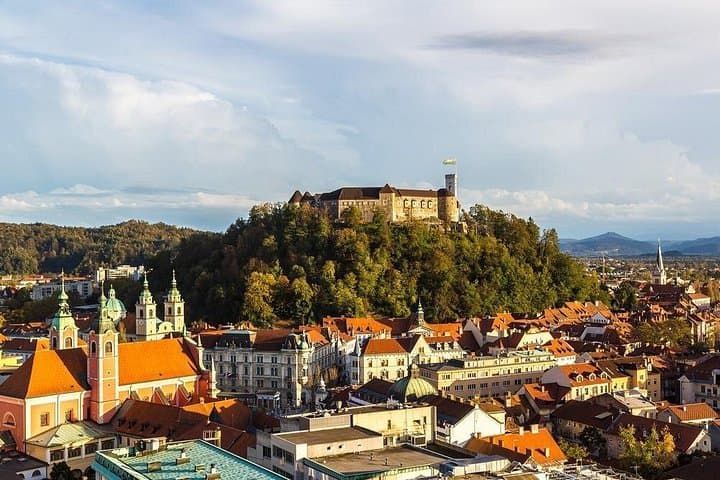
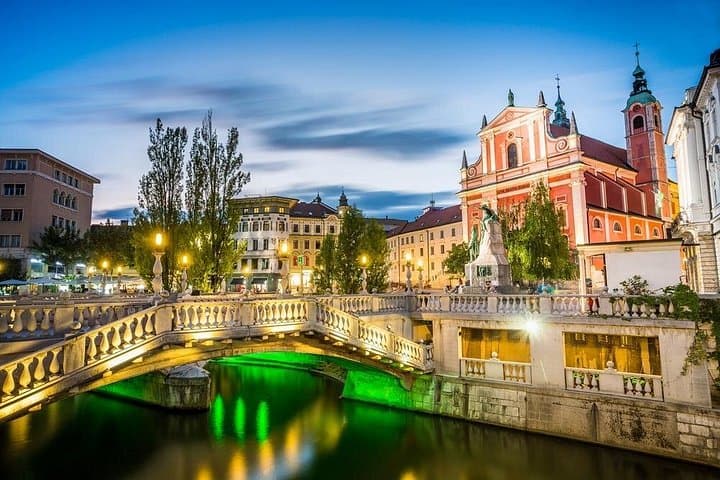
Morning light on the Ljubljanica threads through Ljubljana’s low-arched bridges as your private vehicle hums south from Zagreb, delivering you into a compact capital that wears its history plainly—baroque facades, a hilltop castle watching the river, market stalls arranged like a local ritual.
Morning light on the Ljubljanica threads through Ljubljana’s low-arched bridges as your private vehicle hums south from Zagreb, delivering you into a compact capital that wears its history plainly—baroque facades, a hilltop castle watching the river, market stalls arranged like a local ritual.
The guide leads a brisk circuit of the old town: Roman foundations beneath modern pavement, Austro-Hungarian palaces, and the Dragon Bridge guarding stories of medieval trade. From there the road unfolds toward Inner Carniola and Postojna, where limestone undercuts the world. Postojna Cave is both geological cathedral and living laboratory: stalactites and stalagmites grown drop by patient drop, subterranean halls that once guided early speleologists, and the endemic olm—the blind salamander—hiding in the cave’s pools.
Nearby Predjama Castle is half-built into a cliff face, a medieval stronghold that stages the tension between architecture and bedrock. The route ties culture, geology, and human ingenuity: Ljubljana’s market-driven rhythms, Postojna’s speleological breakthroughs, and a castle that borrows the cave’s shadow for defense.
Practical note: the day is long—expect 10–12 hours including drives. Wear grippy shoes for wet cave paths, carry a small pack with water and layers, and set aside cash or card for markets and small museums. Follow the guide’s timing—the cave maintains strict pathways to protect formations and the olm. Early departures beat traffic; comfortable pacing makes the day feel like exploration rather than a checklist.