THE ADVENTURE COLLECTIVE® · Independent discovery and booking for outdoor travel

Explore Livingstone on foot with a guide who moves from museum galleries to lively market lanes. Learn local history, meet artisans, and get practical tips for navigating the town’s cultural highlights.
Explore Livingstone on foot with a guide who moves from museum galleries to lively market lanes. Learn local history, meet artisans, and get practical tips for navigating the town’s cultural highlights.
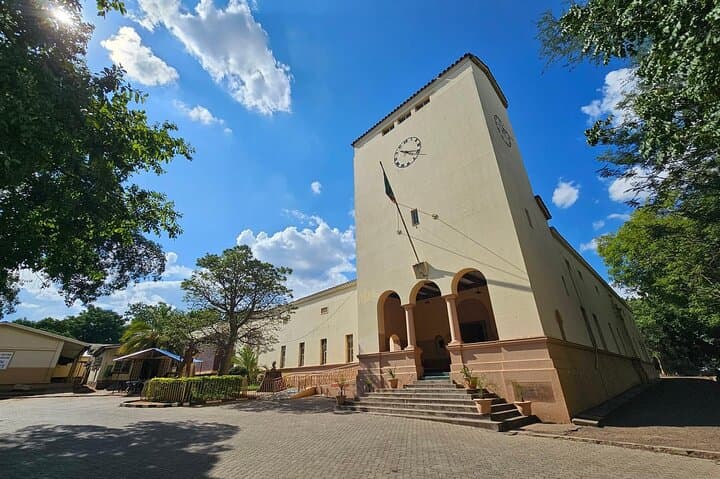
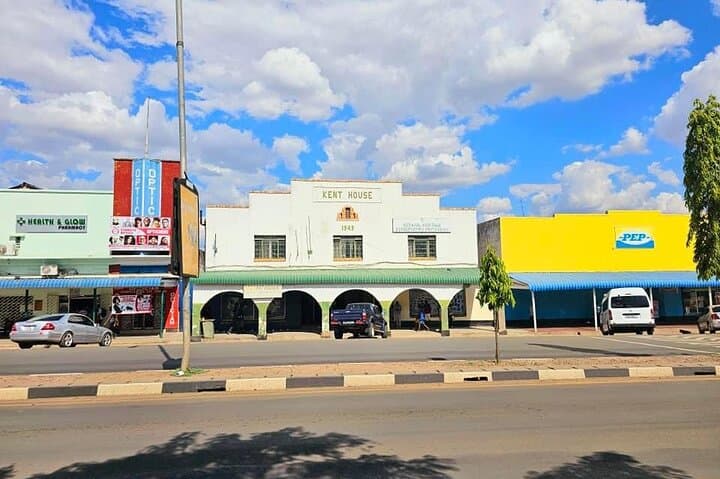
You step off the shaded pavement and the town opens like a well-worn map: broad avenues cut through mature fig trees, vendors call softly from market stalls, and the air carries the tang of sun-warmed earth and frying maize. The Livingstone Town Guided Tour threads through this compact center, moving from the museum’s quiet galleries into the pulse of Mukuni Market and past colonial-era buildings that still hold the town’s railway memory.
Verified experiences and guided adventures in the surrounding area.
Operated by HSM Adventures Tours and Safaris · Livingstone, Southern Province
You step off the shaded pavement and the town opens like a well-worn map: broad avenues cut through mature fig trees, vendors call softly from market stalls, and the air carries the tang of sun-warmed earth and frying maize. The Livingstone Town Guided Tour threads through this compact center, moving from the museum’s quiet galleries into the pulse of Mukuni Market and past colonial-era buildings that still hold the town’s railway memory.
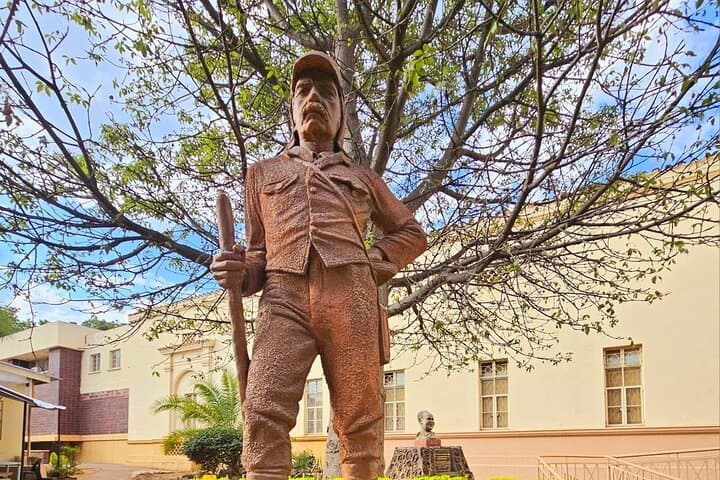
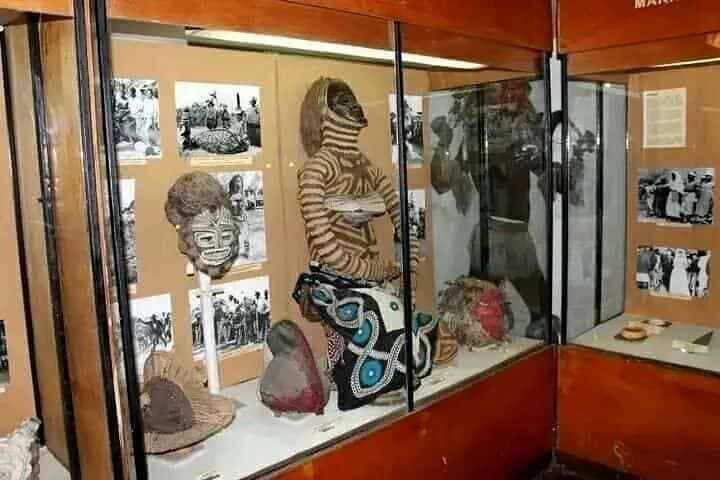
Livingstone’s streets reflect a layered history: pre-colonial Lozi and Tonga communities, the imprint of David Livingstone’s 19th-century travels, and rapid railroad-led growth in the early 20th century. Geologically, the town sits on the southern Zambian plateau above the Zambezi floodplain; the soil and river system shaped local livelihoods long before tourism arrived. Cultural life is immediate — craftspeople carving wood, beadwork patterns passed between generations, and vendors offering street snacks that reveal regional tastes.
Practical guidance is straightforward. Expect around 2–3 hours on foot over flat, paved streets and some uneven market surfaces; comfortable walking shoes and sun protection are essential. The guide will pace historical stops and give context at the Livingstone Museum and Railway Museum, then lead you into Mukuni Market where bargaining is part of the rhythm. Carry small denominations of Zambian kwacha or have a card-ready plan, and allow time to linger: an artisan demonstration or a roadside snack can be the most memorable parts of the day.
This tour balances cultural insight with easy walking — ideal for travelers who want local context before exploring nearby Victoria Falls or river activities.
moderate.
2–3 hours.
Moderate fitness: able to stand and walk for a few hours with short periods of standing and some stair-free mobility.
Most tours begin at the Livingstone Museum or a central town meeting point and finish near the market or main street for easy onward connections.
The tour is described as wheelchair accessible, with paved routes, though market areas can be crowded and have uneven surfaces—check ahead for specific accessibility needs.
Zambian kwacha is preferred for small purchases; cards work at some businesses but smaller vendors take cash only.
You can visit Victoria Falls the same day, but combining both is tight—plan extra time for transfers and border formalities if crossing into Zimbabwe.
Named for explorer David Livingstone, the town grew with the arrival of the Cape to Cairo railway and served as a regional transport hub during the colonial era.
Local guides encourage low-impact visits: avoid single-use plastics, support certified artisan groups, and respect Mukuni tribal lands and cultural protocols.
HSM Adventures Tours and Safaris operates guided outdoor trips and adventures with an emphasis on safety, stewardship, and memorable experiences.
You step off the shaded pavement and the town opens like a well-worn map: broad avenues cut through mature fig trees, vendors call softly from market stalls, and the air carries the tang of sun-warmed earth and frying maize. The Livingstone Town Guided Tour threads through this compact center, moving from the museum’s quiet galleries into the pulse of Mukuni Market and past colonial-era buildings that still hold the town’s railway memory.
You step off the shaded pavement and the town opens like a well-worn map: broad avenues cut through mature fig trees, vendors call softly from market stalls, and the air carries the tang of sun-warmed earth and frying maize. The Livingstone Town Guided Tour threads through this compact center, moving from the museum’s quiet galleries into the pulse of Mukuni Market and past colonial-era buildings that still hold the town’s railway memory.
Livingstone’s streets reflect a layered history: pre-colonial Lozi and Tonga communities, the imprint of David Livingstone’s 19th-century travels, and rapid railroad-led growth in the early 20th century. Geologically, the town sits on the southern Zambian plateau above the Zambezi floodplain; the soil and river system shaped local livelihoods long before tourism arrived. Cultural life is immediate — craftspeople carving wood, beadwork patterns passed between generations, and vendors offering street snacks that reveal regional tastes.
Practical guidance is straightforward. Expect around 2–3 hours on foot over flat, paved streets and some uneven market surfaces; comfortable walking shoes and sun protection are essential. The guide will pace historical stops and give context at the Livingstone Museum and Railway Museum, then lead you into Mukuni Market where bargaining is part of the rhythm. Carry small denominations of Zambian kwacha or have a card-ready plan, and allow time to linger: an artisan demonstration or a roadside snack can be the most memorable parts of the day.
This tour balances cultural insight with easy walking — ideal for travelers who want local context before exploring nearby Victoria Falls or river activities.