
Living Desert Hike Near Swakopmund: Namib Desert Walk
Explore the Living Desert on a three-hour guided walk from Swakopmund. This hike reveals the Namib’s tiny survivors — chameleons, fog-basking beetles and resilient plants — while offering clear guidance on what to bring and how to move through this fragile landscape.
An Adventure In Swakopmund.
Explore the Living Desert on a three-hour guided walk from Swakopmund. This hike reveals the Namib’s tiny survivors — chameleons, fog-basking beetles and resilient plants — while offering clear guidance on what to bring and how to move through this fragile landscape.
Read the full experience
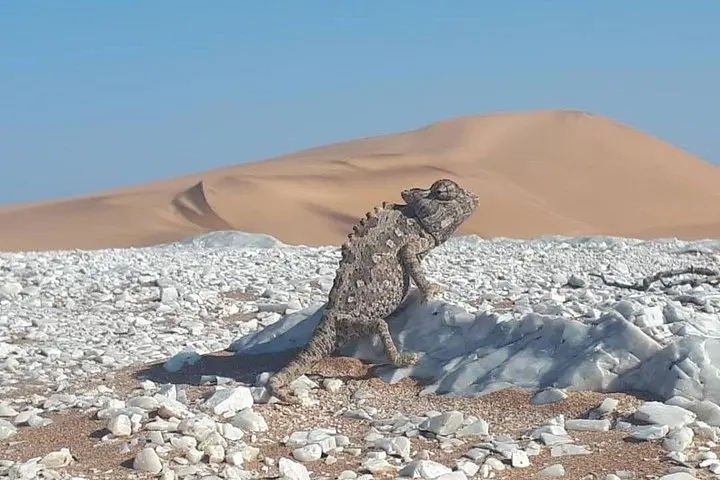
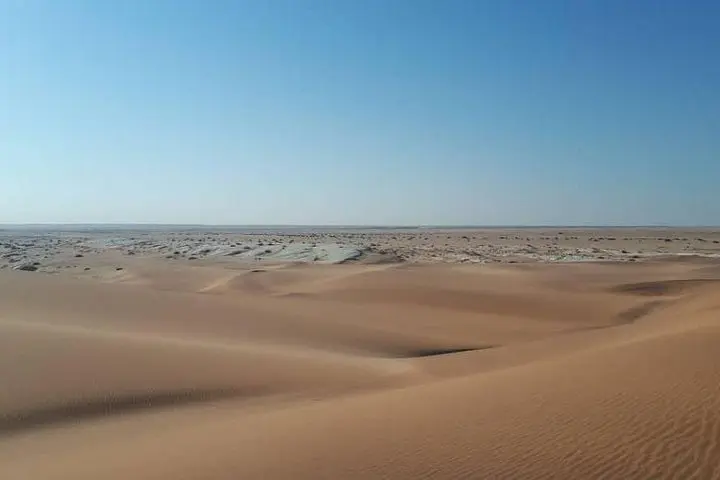
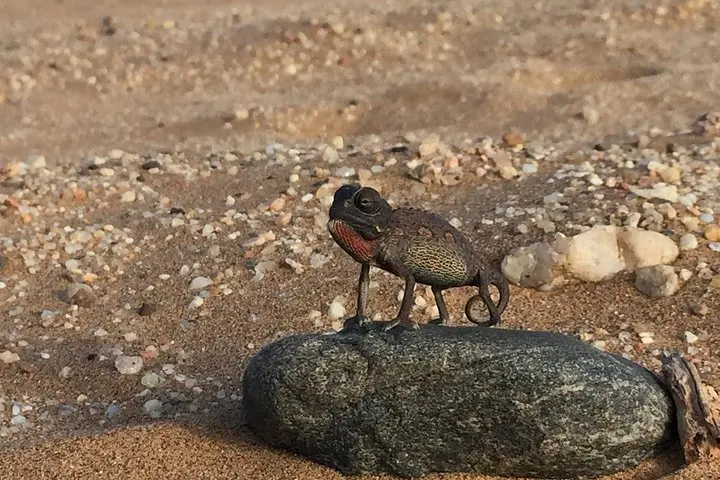
You step off the coast’s cool breath and into a different tempo: wind-sculpted ridges and sun-bleached gravel that seem to move when you’re not looking. The Living Desert Hike routes through low dunes and rocky interdunes a short drive from Swakopmund, where guides bend down to reveal the small dramas of desert life — a chameleon folding itself into sand, a beetle timing its activity with the fog.
You step off the coast’s cool breath and into a different tempo: wind-sculpted ridges and sun-bleached gravel that seem to move when you’re not looking. The Living Desert Hike routes through low dunes and rocky interdunes a short drive from Swakopmund, where guides bend down to reveal the small dramas of desert life — a chameleon folding itself into sand, a beetle timing its activity with the fog.
The Namib is ancient, one of Earth’s oldest deserts, its dunes and gravel plains formed over tens of millions of years. Swakopmund itself carries German colonial echoes in its architecture and seafood markets, a cultural doorway before the landscape opens into raw aridity. Geology here is immediate: wind-laid sand, older gravel plains, and scattered quartz and gypsum telling the story of shifting climates.
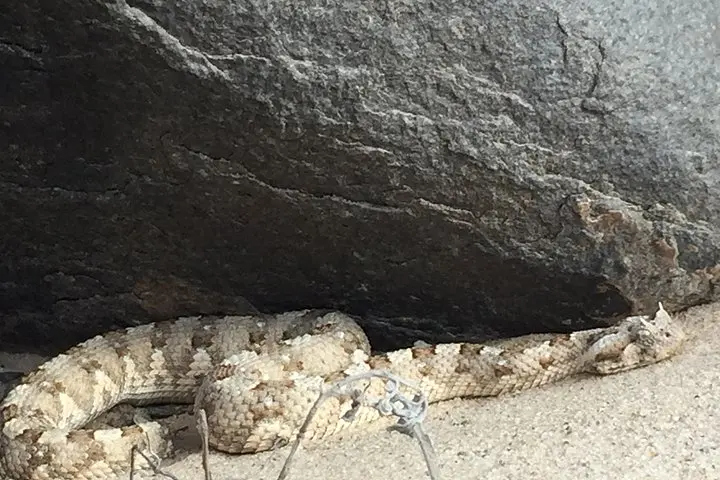
Expect close-range natural history. Local guides point out fog-basking beetles, endemic plants like the resilient Welwitschia in nearby spots, and the subtle tracks of nocturnal mammals. Conservation-minded operators emphasize zero-trace practices — the desert recovers slowly and fragile organisms are easily disturbed.
Practicalities: the hike runs about three hours over uneven sand and compact gravel with short, steep dunefaces. Wear sturdy trail shoes, bring 1.5–2 liters of water, high-SPF sun protection, and a wind layer for coastal gusts. Morning fog can cool temperatures; late afternoon light makes the dunes glow but increases sun exposure. The route is educational rather than technical — good for moderately fit travelers who can handle short climbs on loose footing. With careful pacing and a knowledgeable guide, this walk turns the Namib’s sparse beauty into a concentrated lesson in survival and adaptation.
Frequently asked questions
The tour is about three hours and classified as moderate: expect loose sand, short dune climbs and walking on compact gravel; no technical climbing required.
Older children in good physical condition can join, but operators typically recommend participants be able to walk for several hours and tolerate sun exposure.
Yes — the guides often locate small desert-adapted wildlife such as chameleons, geckos and fog-basking beetles, but sightings depend on time of day and recent weather.
Full refund if you cancel at least 24 hours before departure; bad-weather cancellations are also honored according to the operator’s policy.
About This Experience
O'kevo Adventures operates guided outdoor trips and adventures with an emphasis on safety, stewardship, and memorable experiences.
Adventure tips
Recommended gear
- Trail shoes with good tread: Provide traction on loose sand and rocky patches.
- 1.5–2 L hydration (bottle or bladder): Desert air and physical exertion increase fluid needs even if temperatures feel cool.
- Sun hat and SPF sunscreen: Protects against strong UV and reflective sand glare.
- Light wind layer: Coastal winds or morning fog can make temperatures feel cooler between seasons.
Photos of the experience
Related adventures & guides
Read the full experience
You step off the coast’s cool breath and into a different tempo: wind-sculpted ridges and sun-bleached gravel that seem to move when you’re not looking. The Living Desert Hike routes through low dunes and rocky interdunes a short drive from Swakopmund, where guides bend down to reveal the small dramas of desert life — a chameleon folding itself into sand, a beetle timing its activity with the fog.
You step off the coast’s cool breath and into a different tempo: wind-sculpted ridges and sun-bleached gravel that seem to move when you’re not looking. The Living Desert Hike routes through low dunes and rocky interdunes a short drive from Swakopmund, where guides bend down to reveal the small dramas of desert life — a chameleon folding itself into sand, a beetle timing its activity with the fog.
The Namib is ancient, one of Earth’s oldest deserts, its dunes and gravel plains formed over tens of millions of years. Swakopmund itself carries German colonial echoes in its architecture and seafood markets, a cultural doorway before the landscape opens into raw aridity. Geology here is immediate: wind-laid sand, older gravel plains, and scattered quartz and gypsum telling the story of shifting climates.
Expect close-range natural history. Local guides point out fog-basking beetles, endemic plants like the resilient Welwitschia in nearby spots, and the subtle tracks of nocturnal mammals. Conservation-minded operators emphasize zero-trace practices — the desert recovers slowly and fragile organisms are easily disturbed.
Practicalities: the hike runs about three hours over uneven sand and compact gravel with short, steep dunefaces. Wear sturdy trail shoes, bring 1.5–2 liters of water, high-SPF sun protection, and a wind layer for coastal gusts. Morning fog can cool temperatures; late afternoon light makes the dunes glow but increases sun exposure. The route is educational rather than technical — good for moderately fit travelers who can handle short climbs on loose footing. With careful pacing and a knowledgeable guide, this walk turns the Namib’s sparse beauty into a concentrated lesson in survival and adaptation.
Make a day of it nearby.
Verified experiences and guided adventures in the surrounding area.