THE ADVENTURE COLLECTIVE® · Independent discovery and booking for outdoor travel

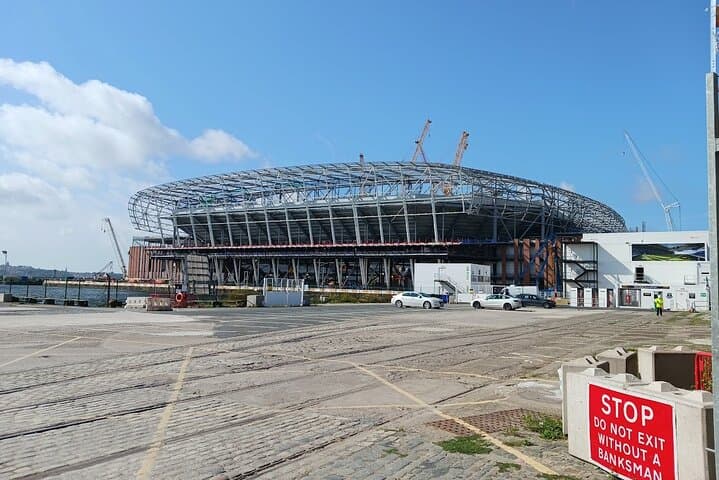
Cover Liverpool’s two legendary football grounds and the new Bramley-Moore waterfront stadium in a 3-hour e-bike tour that mixes city history, dockland views and easy electric-assisted cycling. Ideal for fans and urban explorers who want a compact, photo-heavy route with a local guide.
Cover Liverpool’s two legendary football grounds and the new Bramley-Moore waterfront stadium in a 3-hour e-bike tour that mixes city history, dockland views and easy electric-assisted cycling. Ideal for fans and urban explorers who want a compact, photo-heavy route with a local guide.
You push off from a Liverpool kerb as the Mersey breathes cool air across the docks and the city wakes. Electric assistance hums under your feet while the guide threads you through cobbled lanes, past converted warehouses and the graffiti that gives this district personality.
Verified experiences and guided adventures in the surrounding area.
Operated by Liverpool Cycle Tours Ltd · Liverpool, Merseyside
You push off from a Liverpool kerb as the Mersey breathes cool air across the docks and the city wakes. Electric assistance hums under your feet while the guide threads you through cobbled lanes, past converted warehouses and the graffiti that gives this district personality.
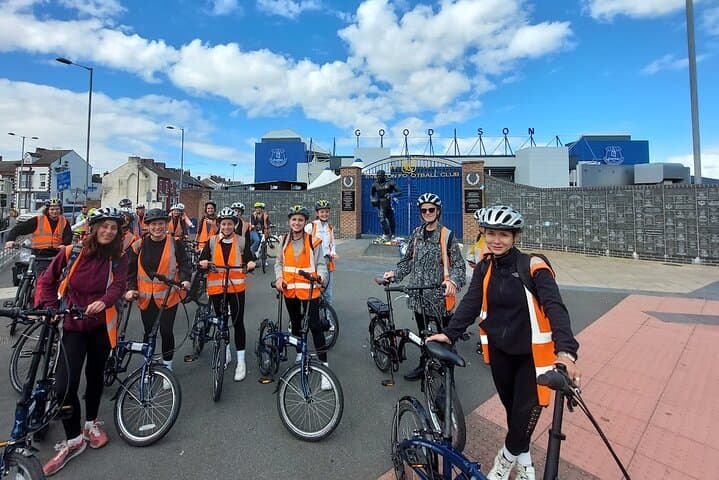
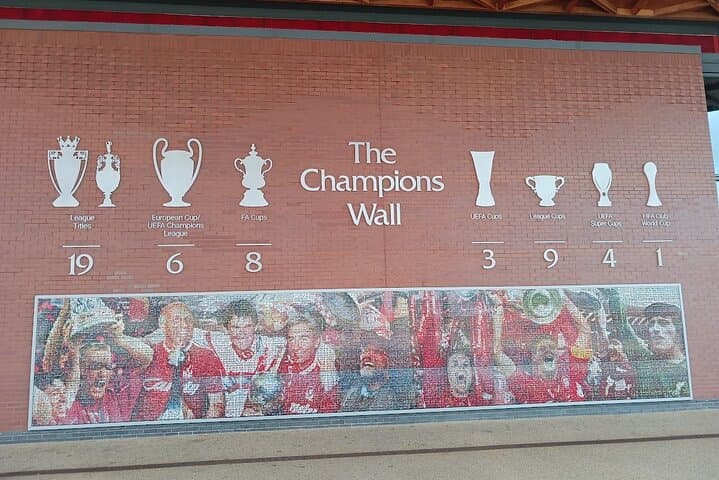
The ride stitches together football history and urban reinvention: Anfield’s red brick echoes early-20th-century working-class pride, Goodison Park’s terraces recall Victorian matchday culture and Bramley-Moore on the waterfront marks a new chapter in Liverpool’s maritime regeneration. Geology is subtle here — low sandstone outcrops, reclaimed dockland and river-sculpted flatlands — but the city’s story is written in brick, iron and the course of the Mersey.
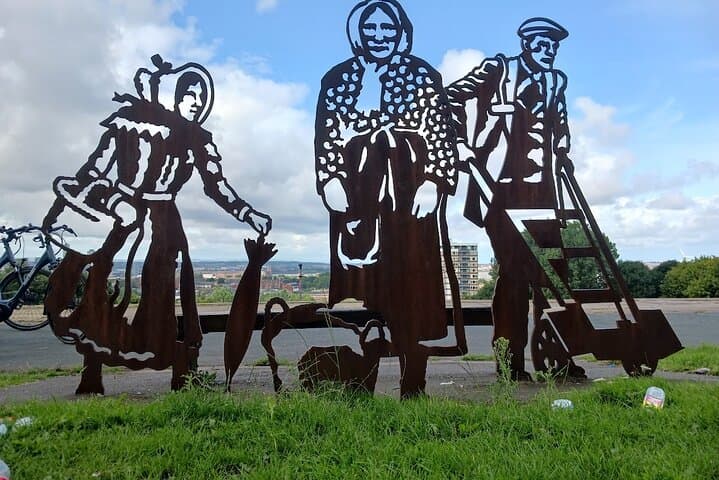
Expect blocks of Victorian and post-industrial architecture, China Town’s distinctive gate, the green rise of Everton Park and long photo stops at both stadiums and Stanley Park. Culture arrives in passing: university students, café queues and pub chants that give context to each ground.
Practical guide: plan for about 6–8 miles (10–12 km) of mostly flat urban cycling with short climbs around Everton Park; the e-bikes handle hills but you should be comfortable on a road bike in traffic. Wear closed-toe shoes, layer for wind and rain, and charge your phone for photos — there are multiple 10–30 minute stops. The tour runs in groups up to six with helmets, hi-vis and waterproofs provided; book ahead for matchdays and aim for mornings to avoid peak traffic.
moderate.
3 hours.
Moderate — you should be comfortable riding a bike in city traffic for several short stints and standing on pedals for brief climbs.
Yes — the tour operator supplies helmets, high-visibility jackets and waterproofs as part of the booking.
Age and fitness requirements vary; guests should be able to ride a bicycle comfortably in traffic and have at least a moderate fitness level — check the operator’s booking conditions for age bands.
Expect roughly 10–12 km (6–8 miles) of mainly flat urban cycling with stops, taking about 3 hours including photo breaks.
Tours may run on matchdays but expect heavier crowds and possible road diversions; operators may adjust the route or timing to avoid congestion.
Liverpool’s football culture grew alongside its dockland economy; clubs like Everton and Liverpool formed in the late 19th century and their grounds reflect different stages of that civic growth.
The tour passes through sensitive waterfront regeneration areas — stick to paths, avoid trampling parkland and follow guide instructions to reduce disturbance.
Liverpool Cycle Tours Ltd operates guided outdoor trips and adventures with an emphasis on safety, stewardship, and memorable experiences.
You push off from a Liverpool kerb as the Mersey breathes cool air across the docks and the city wakes. Electric assistance hums under your feet while the guide threads you through cobbled lanes, past converted warehouses and the graffiti that gives this district personality.
You push off from a Liverpool kerb as the Mersey breathes cool air across the docks and the city wakes. Electric assistance hums under your feet while the guide threads you through cobbled lanes, past converted warehouses and the graffiti that gives this district personality.
The ride stitches together football history and urban reinvention: Anfield’s red brick echoes early-20th-century working-class pride, Goodison Park’s terraces recall Victorian matchday culture and Bramley-Moore on the waterfront marks a new chapter in Liverpool’s maritime regeneration. Geology is subtle here — low sandstone outcrops, reclaimed dockland and river-sculpted flatlands — but the city’s story is written in brick, iron and the course of the Mersey.
Expect blocks of Victorian and post-industrial architecture, China Town’s distinctive gate, the green rise of Everton Park and long photo stops at both stadiums and Stanley Park. Culture arrives in passing: university students, café queues and pub chants that give context to each ground.
Practical guide: plan for about 6–8 miles (10–12 km) of mostly flat urban cycling with short climbs around Everton Park; the e-bikes handle hills but you should be comfortable on a road bike in traffic. Wear closed-toe shoes, layer for wind and rain, and charge your phone for photos — there are multiple 10–30 minute stops. The tour runs in groups up to six with helmets, hi-vis and waterproofs provided; book ahead for matchdays and aim for mornings to avoid peak traffic.