THE ADVENTURE COLLECTIVE® · Independent discovery and booking for outdoor travel

Explore Liverpool’s two cathedrals and the Baltic Triangle with a private, two-hour walking tour. Discover architectural contrasts, street art, and local stories on an accessible route through the city’s cultural quarter.
Explore Liverpool’s two cathedrals and the Baltic Triangle with a private, two-hour walking tour. Discover architectural contrasts, street art, and local stories on an accessible route through the city’s cultural quarter.
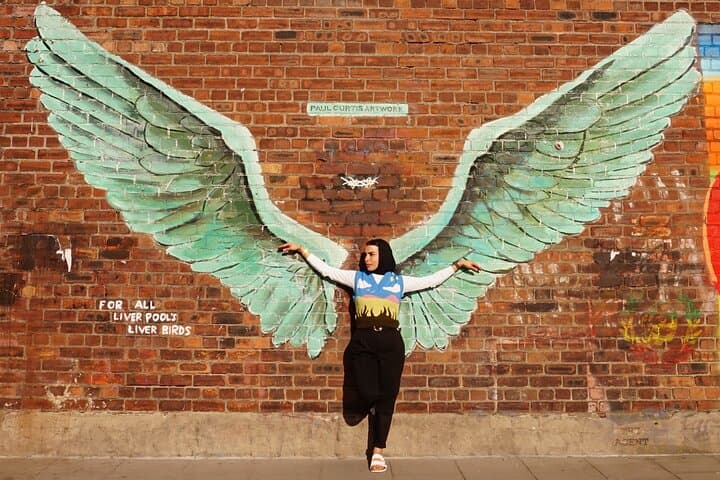
The tour opens on a cool city street where stone towers and modern brick warehouses trade stories across Hope Street. You stand between two very different cathedrals — one a soaring, gothic mass of sandstone, the other a circular modernist crown — then step downhill toward the Baltic Triangle where painted walls and converted factories pulse with current creative energy.
Verified experiences and guided adventures in the surrounding area.
Operated by DAYTRIPPER · Liverpool, England
The tour opens on a cool city street where stone towers and modern brick warehouses trade stories across Hope Street. You stand between two very different cathedrals — one a soaring, gothic mass of sandstone, the other a circular modernist crown — then step downhill toward the Baltic Triangle where painted walls and converted factories pulse with current creative energy.
Liverpool’s skyline and streets reflect a layered history: a maritime powerhouse in the 18th–19th centuries, wartime scars that shaped urban renewal, and a 21st-century cultural revival that reuses docks and mills as studios, bars, and markets. Geology here is subtle: red and yellow brick laid on reclaimed dockland and sandstone outcrops that gave builders material for the grand cathedrals. Culturally, Hope Street links the city’s musical and civic life — the Philharmonic Hall and university buildings flank a route used by locals and students alike.
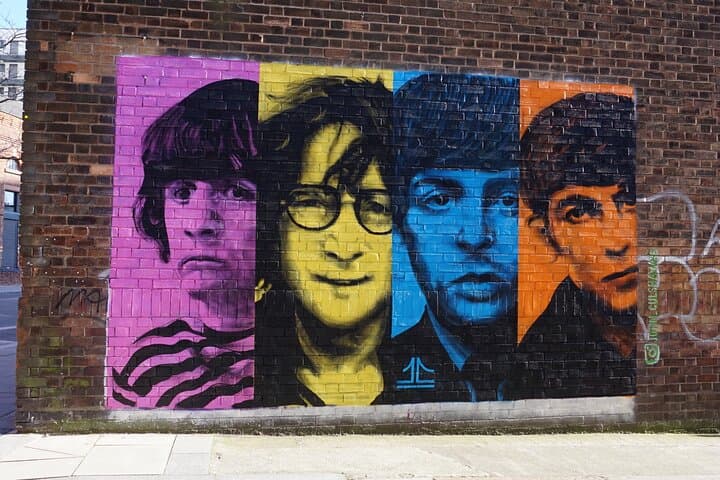
Expect two hours of mostly flat, paved walking with frequent stops to hear stories and view architecture and street art. The guide will pause at the Chinese Arch, lead you along Hope Street’s Georgian façades, and navigate the Baltic Triangle’s murals and creative hubs. Wear comfortable shoes; the route covers roughly 2–3 miles with minimal elevation gain and is fully wheelchair accessible on the advertised itinerary.
Practical: tours are private for 1–15 guests, typically start in central Liverpool, and allow some cathedral entry time depending on opening hours. Bring a light rain layer, a charged phone for photos, and an appetite for contrasts — from solemn stone to spray-can color.
moderate.
2 hours.
Moderate — suitable for walkers comfortable on a 2–3 mile urban route with brief standing stops
The tour lasts about two hours and typically covers 2–3 miles (3–5 km) of mostly flat, paved city streets with multiple stops.
Guides can show you the exterior and, if the tour coincides with cathedral opening hours, will allow time to enter where public access is permitted.
Yes — the itinerary notes wheelchair and stroller accessibility with primarily paved surfaces and accessible pathways.
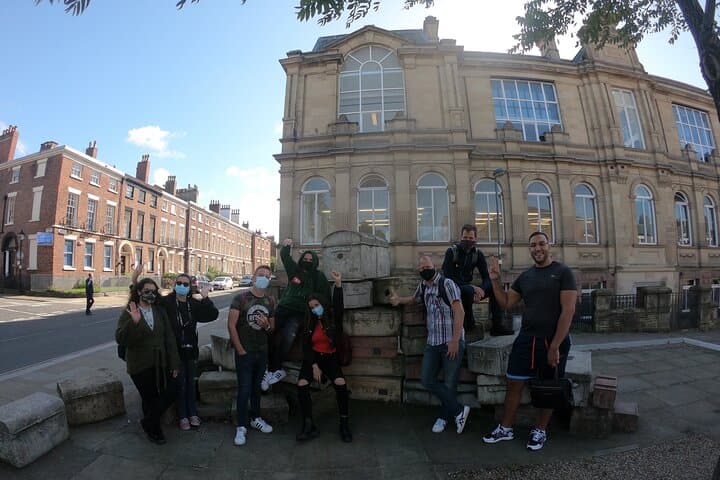
This is a private tour for 1–15 guests, ideal for families, small groups, or private parties wanting a focused local experience.
Liverpool grew wealthy on transatlantic trade and shipbuilding; its cathedrals and Georgian streets reflect both civic ambition and the city’s shifting fortunes.
Respect street art as part of a living cultural scene — support local venues and follow leave-no-trace principles in busy public spaces.
DAYTRIPPER operates guided outdoor trips and adventures with an emphasis on safety, stewardship, and memorable experiences.
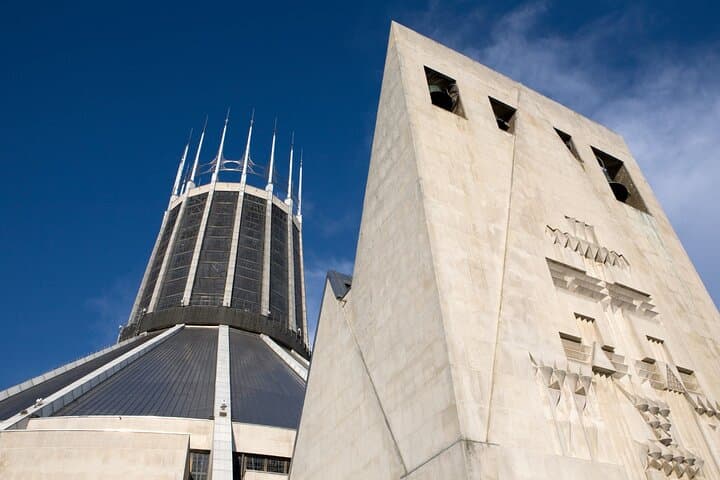
The tour opens on a cool city street where stone towers and modern brick warehouses trade stories across Hope Street. You stand between two very different cathedrals — one a soaring, gothic mass of sandstone, the other a circular modernist crown — then step downhill toward the Baltic Triangle where painted walls and converted factories pulse with current creative energy.
The tour opens on a cool city street where stone towers and modern brick warehouses trade stories across Hope Street. You stand between two very different cathedrals — one a soaring, gothic mass of sandstone, the other a circular modernist crown — then step downhill toward the Baltic Triangle where painted walls and converted factories pulse with current creative energy.
Liverpool’s skyline and streets reflect a layered history: a maritime powerhouse in the 18th–19th centuries, wartime scars that shaped urban renewal, and a 21st-century cultural revival that reuses docks and mills as studios, bars, and markets. Geology here is subtle: red and yellow brick laid on reclaimed dockland and sandstone outcrops that gave builders material for the grand cathedrals. Culturally, Hope Street links the city’s musical and civic life — the Philharmonic Hall and university buildings flank a route used by locals and students alike.
Expect two hours of mostly flat, paved walking with frequent stops to hear stories and view architecture and street art. The guide will pause at the Chinese Arch, lead you along Hope Street’s Georgian façades, and navigate the Baltic Triangle’s murals and creative hubs. Wear comfortable shoes; the route covers roughly 2–3 miles with minimal elevation gain and is fully wheelchair accessible on the advertised itinerary.
Practical: tours are private for 1–15 guests, typically start in central Liverpool, and allow some cathedral entry time depending on opening hours. Bring a light rain layer, a charged phone for photos, and an appetite for contrasts — from solemn stone to spray-can color.