THE ADVENTURE COLLECTIVE® · Independent discovery and booking for outdoor travel

Experience an electric Muay Thai card at Patong Boxing Stadium—three hours of ritual, rapid strikes, and crowd energy. Read on for what to expect, cultural notes, and practical tips for attending a live fight in Patong.
Experience an electric Muay Thai card at Patong Boxing Stadium—three hours of ritual, rapid strikes, and crowd energy. Read on for what to expect, cultural notes, and practical tips for attending a live fight in Patong.
You step through the gate and the stadium answers—pulsing music, shouted counts, the thud of gloves on shorts. Ringside lights cut across a humid Patong evening; the crowd leans forward as the first bell snaps the room into focus.
Verified experiences and guided adventures in the surrounding area.
Operated by I Asia Thailand · Patong, Phuket
You step through the gate and the stadium answers—pulsing music, shouted counts, the thud of gloves on shorts. Ringside lights cut across a humid Patong evening; the crowd leans forward as the first bell snaps the room into focus.
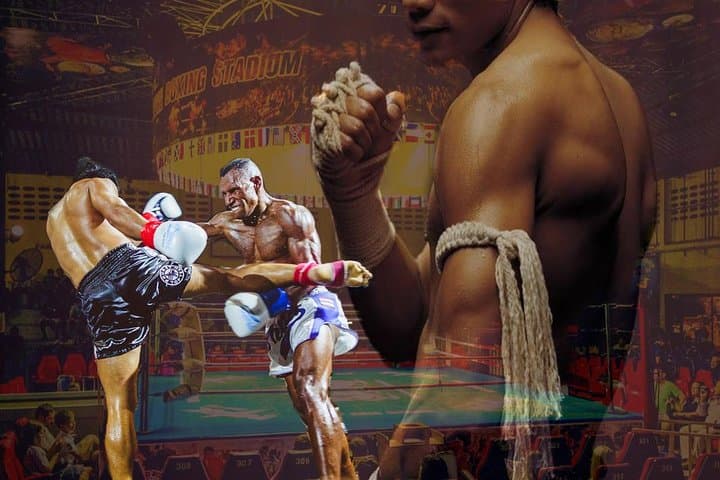
Muay Thai here is both modern sport and living tradition. Originating as a battlefield art, Muay Thai evolved over centuries into Thailand’s national sport; at Patong Boxing Stadium you’ll see the classic wai kru ram muay ritual, ceremonial music, and fighters ranging from local prospects to international challengers.
Phuket itself sits on a rugged southern island of granite ridges and mangrove-fringed shores; the stadium’s urban beat contrasts the island’s coastal calm, reflecting how sport and tourism meet in Patong’s main entertainment district.
Practical guide: shows run about three hours with multiple bouts; seating tiers include ringside and bleachers—ringside brings close-up intensity while bleachers offer a bird’s-eye perspective. Arrive 20–30 minutes early to find seats, buy snacks, and catch the pre-fight ritual. Expect shouting, occasional chants, and loud music; ear protection helps sensitive ears. Cameras are usually allowed, but respect fighters and local rules—flash can distract. Children are permitted (minimum age commonly four), but consider the fight intensity before bringing very young kids. Public transit, tuk-tuks, and taxis serve Sai Namyen Road; there are no hotel transfers included with most ticket options.
Tip for culture-minded travelers: watch the bowing ritual and listen for traditional drums—those moments give the sport its cultural context. Leave the ring to the fighters; be present, observant, and ready for an electrifying evening.
easy.
3 hours.
Suitable for all fitness levels—this is a spectator event with minimal physical demand
Typical cards run about three hours and include multiple preliminary and main bouts; check your ticket for exact start time.
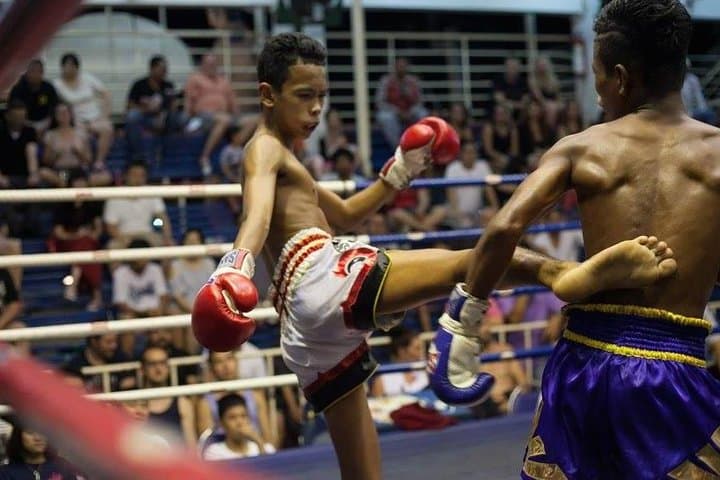
Yes — venues commonly permit children (minimum age often listed as four) but consider the noise and intensity before bringing very young kids.
Photography is usually allowed, but avoid flash and follow venue rules; some promotions may restrict recording during certain rounds.
Seating options include ringside and bleachers; some tickets specify seat types but many venues operate general admission within tiers—arrive early for best placement.
Muay Thai developed over centuries from battlefield techniques into a codified sport; stadiums like Patong preserve both competitive matches and ceremonial rituals such as the wai kru.
Large crowds generate waste and noise—use reusable bottles, dispose of trash in provided bins, and support vendors who follow local waste-reduction practices.
I Asia Thailand operates guided outdoor trips and adventures with an emphasis on safety, stewardship, and memorable experiences.
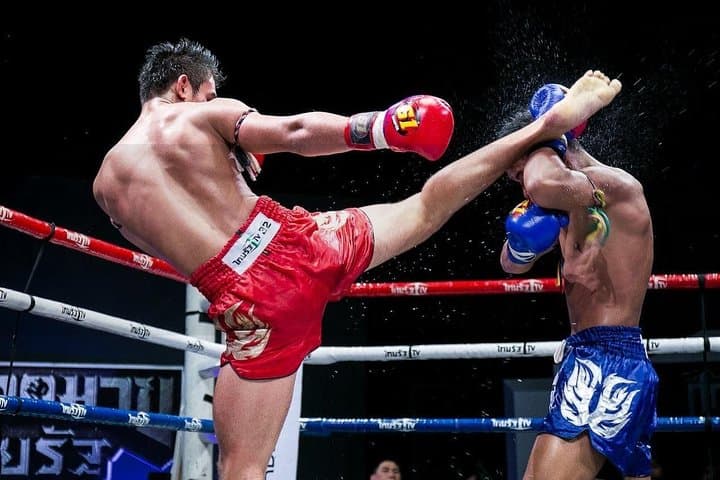
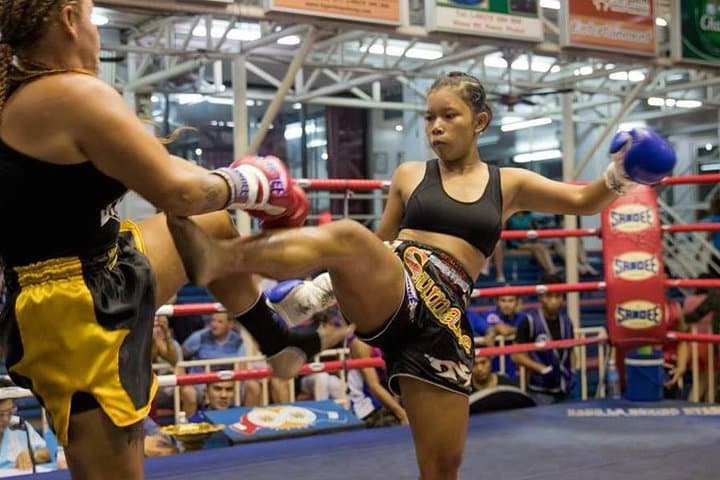
You step through the gate and the stadium answers—pulsing music, shouted counts, the thud of gloves on shorts. Ringside lights cut across a humid Patong evening; the crowd leans forward as the first bell snaps the room into focus.
You step through the gate and the stadium answers—pulsing music, shouted counts, the thud of gloves on shorts. Ringside lights cut across a humid Patong evening; the crowd leans forward as the first bell snaps the room into focus.
Muay Thai here is both modern sport and living tradition. Originating as a battlefield art, Muay Thai evolved over centuries into Thailand’s national sport; at Patong Boxing Stadium you’ll see the classic wai kru ram muay ritual, ceremonial music, and fighters ranging from local prospects to international challengers.
Phuket itself sits on a rugged southern island of granite ridges and mangrove-fringed shores; the stadium’s urban beat contrasts the island’s coastal calm, reflecting how sport and tourism meet in Patong’s main entertainment district.
Practical guide: shows run about three hours with multiple bouts; seating tiers include ringside and bleachers—ringside brings close-up intensity while bleachers offer a bird’s-eye perspective. Arrive 20–30 minutes early to find seats, buy snacks, and catch the pre-fight ritual. Expect shouting, occasional chants, and loud music; ear protection helps sensitive ears. Cameras are usually allowed, but respect fighters and local rules—flash can distract. Children are permitted (minimum age commonly four), but consider the fight intensity before bringing very young kids. Public transit, tuk-tuks, and taxis serve Sai Namyen Road; there are no hotel transfers included with most ticket options.
Tip for culture-minded travelers: watch the bowing ritual and listen for traditional drums—those moments give the sport its cultural context. Leave the ring to the fighters; be present, observant, and ready for an electrifying evening.