THE ADVENTURE COLLECTIVE® · Independent discovery and booking for outdoor travel

Ride a Nubian tuk‑tuk, climb to a Nile viewpoint and walk through painted streets of the Nubian village near Aswan. This 3–4 hour cultural tour pairs local food and home visits with easy walking and excellent photo opportunities.
Ride a Nubian tuk‑tuk, climb to a Nile viewpoint and walk through painted streets of the Nubian village near Aswan. This 3–4 hour cultural tour pairs local food and home visits with easy walking and excellent photo opportunities.
The tuk‑tuk rattles over sun‑baked stone and the Nile spreads out like a slow silver road below — you arrive in the Nubian village with the heat on your skin and the scent of cardamom tea in the air.
Verified experiences and guided adventures in the surrounding area.
Operated by Mahmoud Attwany · Aswan, Aswan Governorate
The tuk‑tuk rattles over sun‑baked stone and the Nile spreads out like a slow silver road below — you arrive in the Nubian village with the heat on your skin and the scent of cardamom tea in the air.
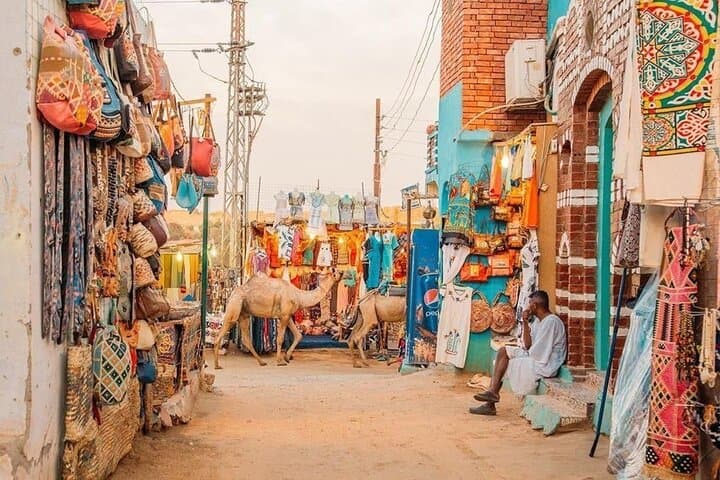
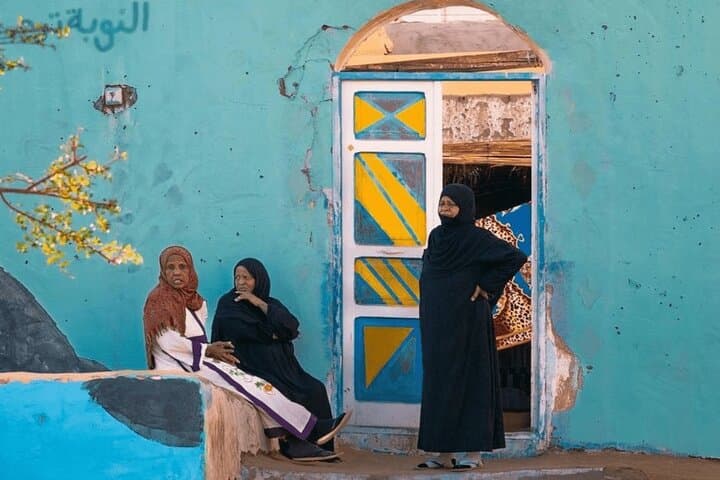
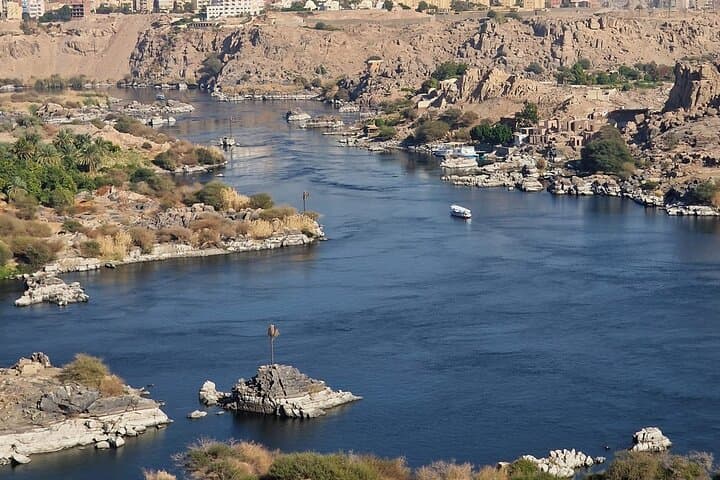
This short, intimate tour moves from a high viewpoint overlooking the Nile, the Low and High Dams, then through narrow streets of painted houses and market stalls. The architecture is practical and bright: low flat roofs, thick walls to hold cool air, hand‑painted geometric motifs that mark family and craft. Geologically the town sits on aeolian and Nile alluvial soils, a contrast of desert sand and river silt that shaped local building techniques for generations.
Culturally, Nubians of southern Egypt have a distinct language, music, and cuisine—expect lively greetings, strong tea, and dishes built around fava, okra, and grilled fish with local spices. The Aswan Dam complex transformed the region in the 20th century, altering river flow and relocating communities; many Nubian villages today celebrate heritage while adapting to tourism.
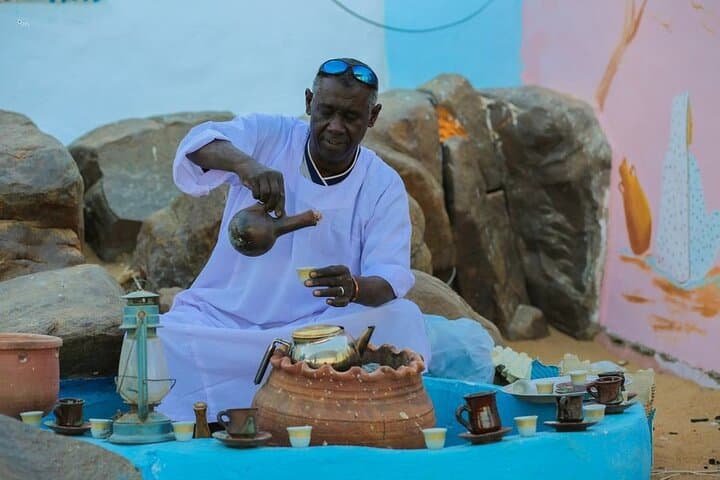
Practicalities: the program runs about 3–4 hours, mixing short drives in a tuk‑tuk and 30–60 minutes of walking over uneven paths and low rises. Wear sturdy shoes, sun protection, and carry water; be ready for narrow alleys and friendly bargaining in small markets. Photography is welcome but ask before entering private homes. The visit includes a home‑visit with local food and tea, offering a close look at daily life and craftwork. Aim for morning or late afternoon to avoid the peak heat and get the best light for photos.
easy.
3–4 hours.
Light walking ability; able to stand and walk on uneven surfaces for short stretches
Pickup from Aswan hotels and cruise docks within city limits is typically included; confirm your exact pickup point when booking.
Yes — the tour is rated easy, but expect some walking on uneven ground; inform the operator of mobility needs ahead of time.
The tour includes traditional Nubian food and tea during a home visit; if you have dietary restrictions, notify the provider in advance.
Photography is welcomed but always ask permission before photographing inside homes or close‑up portraits to respect local customs.
Nubian culture predates modern Egypt’s southern boundaries; many villages were relocated during construction of the Low and High Aswan Dams in the 20th century.
Visitors should minimize plastic waste and support local artisans; water is scarce in the area and sustainable buying helps local economies.
Mahmoud Attwany operates guided outdoor trips and adventures with an emphasis on safety, stewardship, and memorable experiences.
The tuk‑tuk rattles over sun‑baked stone and the Nile spreads out like a slow silver road below — you arrive in the Nubian village with the heat on your skin and the scent of cardamom tea in the air.
The tuk‑tuk rattles over sun‑baked stone and the Nile spreads out like a slow silver road below — you arrive in the Nubian village with the heat on your skin and the scent of cardamom tea in the air.
This short, intimate tour moves from a high viewpoint overlooking the Nile, the Low and High Dams, then through narrow streets of painted houses and market stalls. The architecture is practical and bright: low flat roofs, thick walls to hold cool air, hand‑painted geometric motifs that mark family and craft. Geologically the town sits on aeolian and Nile alluvial soils, a contrast of desert sand and river silt that shaped local building techniques for generations.
Culturally, Nubians of southern Egypt have a distinct language, music, and cuisine—expect lively greetings, strong tea, and dishes built around fava, okra, and grilled fish with local spices. The Aswan Dam complex transformed the region in the 20th century, altering river flow and relocating communities; many Nubian villages today celebrate heritage while adapting to tourism.
Practicalities: the program runs about 3–4 hours, mixing short drives in a tuk‑tuk and 30–60 minutes of walking over uneven paths and low rises. Wear sturdy shoes, sun protection, and carry water; be ready for narrow alleys and friendly bargaining in small markets. Photography is welcome but ask before entering private homes. The visit includes a home‑visit with local food and tea, offering a close look at daily life and craftwork. Aim for morning or late afternoon to avoid the peak heat and get the best light for photos.