THE ADVENTURE COLLECTIVE® · Independent discovery and booking for outdoor travel

Spend three days in Cabril inside Peneda-Gerês National Park where a family-run guesthouse, organic mountain meals, and hands-on rural activities introduce you to mountain life. Practical, slow-paced, and deeply local.
Spend three days in Cabril inside Peneda-Gerês National Park where a family-run guesthouse, organic mountain meals, and hands-on rural activities introduce you to mountain life. Practical, slow-paced, and deeply local.
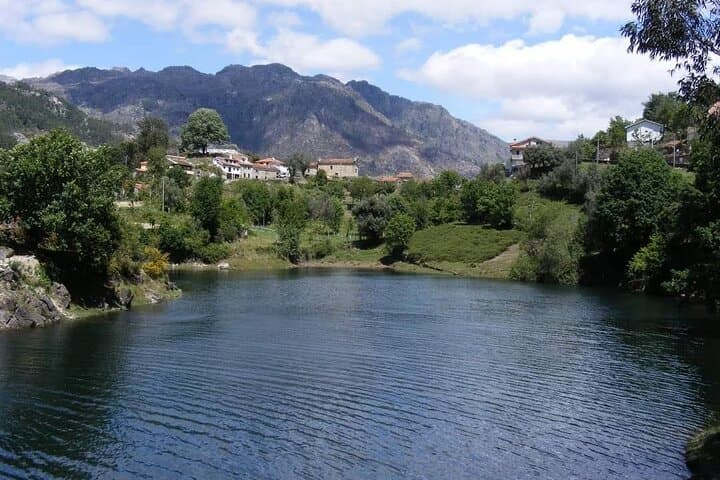
You arrive by a narrow road that winds up from the valley, tires crunching on slate and river-smoothed stones. A whitewashed guesthouse—Casa Velha—sits where fields give way to steep oak woods and the distant roar of a waterfall becomes part of the house’s soundtrack. Mornings here begin with steam from a ceramic pot and birds that test the quiet; evenings close with the warm weight of home-cured cheese and a slow-setting purple light over the mountains.
Verified experiences and guided adventures in the surrounding area.
Operated by Cabril Eco Rural · Cabril, Braga District
You arrive by a narrow road that winds up from the valley, tires crunching on slate and river-smoothed stones. A whitewashed guesthouse—Casa Velha—sits where fields give way to steep oak woods and the distant roar of a waterfall becomes part of the house’s soundtrack. Mornings here begin with steam from a ceramic pot and birds that test the quiet; evenings close with the warm weight of home-cured cheese and a slow-setting purple light over the mountains.
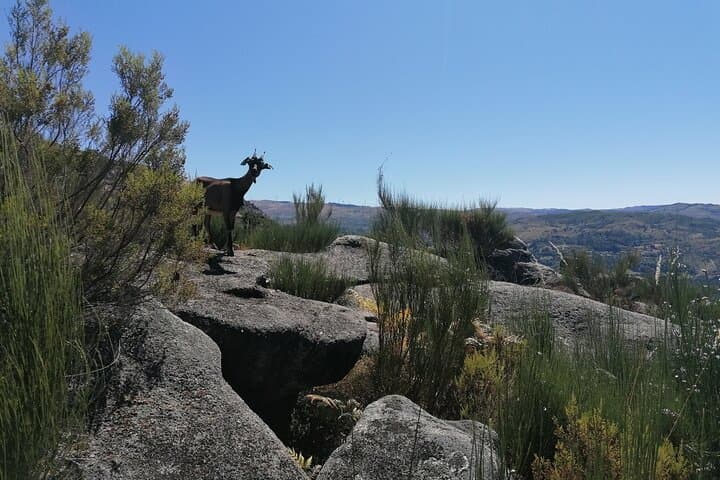
Cabril sits fully inside Peneda-Gerês National Park, Portugal’s only national park and one of its wilder corners. The granite ridges and schist valleys were carved by glaciers and rivers, and human patterns—sheep tracks, stone terraces, and chestnut groves—are layered on top. This part of Gerês is part of a Globally Important Agricultural Heritage System, where centuries of low-scale farming shaped both the landscape and the flavors you’ll taste.
Over three days, the itinerary is simple by design: comfortable lodging in a family-run guesthouse, farm-to-table meals sourced from small plots and nearby pastures, and hands-on rural experiences—cheese making, garden harvesting, and a guided walk to a nearby waterfall and river pools.
Culturally, the place still moves by season. Elder residents keep living memories of transhumance routes and communal ovens; local dialect and recipes reflect both Roman and medieval influences filtered through mountain life. The food here is direct—olive oil, spiced pork, river trout, chestnuts, and vegetables that taste of rock and altitude.
Practical guide: pack layers—the mountain sun can be generous at noon and suddenly thin by evening. Trails around Cabril are short but uneven: expect rocky footing and occasional stream crossings. The stay is best for travelers who want slow, tactile encounters rather than guided adrenaline. Bring cash for small purchases and any artisan goods you want to carry home.
Timing matters. Spring brings wildflowers and swollen rivers; summer opens swimming holes but can attract more visitors; fall is harvest and mushroom season; winter is the quietest, with potential for fog and colder nights. The hosts are focused on sustainable tourism—meals highlight organic, small-scale farms; waste is minimized and paths are respected.
If you want to leave a smaller footprint, opt for shorter showers, take reusable containers, and follow guidance on protected flora. For travelers who want a readable, low-key retreat that tastes like place, this three-day program is a practical, sensory way to live like a mountain local.
easy.
3 days.
Suitable for travelers in average physical condition; moderate mobility on short, uneven walks.
Casa Velha is in a small parish within Peneda-Gerês; roads are paved but narrow—expect a rural arrival and limited public transport at odd hours.
Yes—breakfast, lunch and dinner with local, organic ingredients are included as described in the itinerary.
Families are welcome, but infants must sit on laps during communal meals; discuss needs during booking.
No—activities are beginner-friendly and guided by hosts who demonstrate techniques step-by-step.
Hosts use local products and can usually adapt meals for common dietary needs if notified in advance.
Expect limited cell coverage and intermittent Wi‑Fi—this is part of the appeal, so plan accordingly.
The area bears traces of Roman-era paths and long-standing mountain farming traditions recognized by UNESCO for agricultural heritage.
Activities support local ecotourism projects; guests are encouraged to minimize waste, avoid disturbing wildlife, and follow marked paths to protect fragile habitats.
Cabril Eco Rural operates guided outdoor trips and adventures with an emphasis on safety, stewardship, and memorable experiences.
You arrive by a narrow road that winds up from the valley, tires crunching on slate and river-smoothed stones. A whitewashed guesthouse—Casa Velha—sits where fields give way to steep oak woods and the distant roar of a waterfall becomes part of the house’s soundtrack. Mornings here begin with steam from a ceramic pot and birds that test the quiet; evenings close with the warm weight of home-cured cheese and a slow-setting purple light over the mountains.
You arrive by a narrow road that winds up from the valley, tires crunching on slate and river-smoothed stones. A whitewashed guesthouse—Casa Velha—sits where fields give way to steep oak woods and the distant roar of a waterfall becomes part of the house’s soundtrack. Mornings here begin with steam from a ceramic pot and birds that test the quiet; evenings close with the warm weight of home-cured cheese and a slow-setting purple light over the mountains.
Cabril sits fully inside Peneda-Gerês National Park, Portugal’s only national park and one of its wilder corners. The granite ridges and schist valleys were carved by glaciers and rivers, and human patterns—sheep tracks, stone terraces, and chestnut groves—are layered on top. This part of Gerês is part of a Globally Important Agricultural Heritage System, where centuries of low-scale farming shaped both the landscape and the flavors you’ll taste.
Over three days, the itinerary is simple by design: comfortable lodging in a family-run guesthouse, farm-to-table meals sourced from small plots and nearby pastures, and hands-on rural experiences—cheese making, garden harvesting, and a guided walk to a nearby waterfall and river pools.
Culturally, the place still moves by season. Elder residents keep living memories of transhumance routes and communal ovens; local dialect and recipes reflect both Roman and medieval influences filtered through mountain life. The food here is direct—olive oil, spiced pork, river trout, chestnuts, and vegetables that taste of rock and altitude.
Practical guide: pack layers—the mountain sun can be generous at noon and suddenly thin by evening. Trails around Cabril are short but uneven: expect rocky footing and occasional stream crossings. The stay is best for travelers who want slow, tactile encounters rather than guided adrenaline. Bring cash for small purchases and any artisan goods you want to carry home.
Timing matters. Spring brings wildflowers and swollen rivers; summer opens swimming holes but can attract more visitors; fall is harvest and mushroom season; winter is the quietest, with potential for fog and colder nights. The hosts are focused on sustainable tourism—meals highlight organic, small-scale farms; waste is minimized and paths are respected.
If you want to leave a smaller footprint, opt for shorter showers, take reusable containers, and follow guidance on protected flora. For travelers who want a readable, low-key retreat that tastes like place, this three-day program is a practical, sensory way to live like a mountain local.