THE ADVENTURE COLLECTIVE® · Independent discovery and booking for outdoor travel

Walk Cádiz at a local’s pace with a French-speaking guide who shares history, neighborhood anecdotes, and neighborhood favorites. This two-hour urban stroll focuses on market life, plazas, and hidden details often missed by fast tours.
Walk Cádiz at a local’s pace with a French-speaking guide who shares history, neighborhood anecdotes, and neighborhood favorites. This two-hour urban stroll focuses on market life, plazas, and hidden details often missed by fast tours.
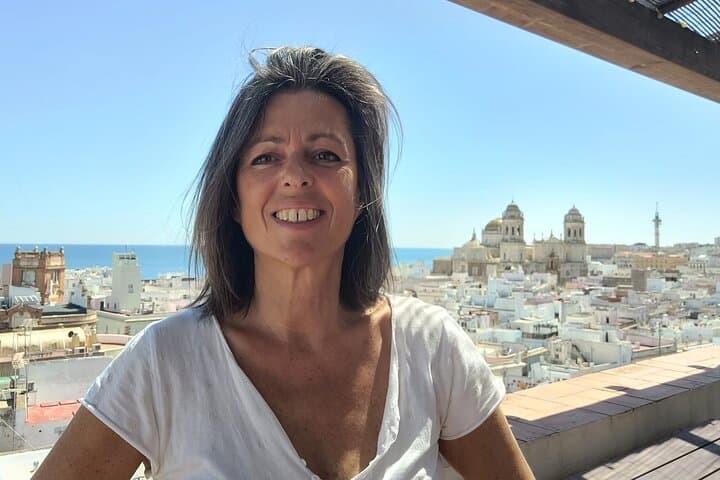
You step off the narrow street and the Atlantic nudges the shore, daring you to slow down. A tiled façade, a vendor sharpening a knife by the fish stalls, and Karine — a French guide who has made Cádiz her home — waits in front of Maison Dorée to lead a two-hour walk that reads like a local’s diary.
Verified experiences and guided adventures in the surrounding area.
Operated by Las guiritanas · Cádiz, Andalucía
You step off the narrow street and the Atlantic nudges the shore, daring you to slow down. A tiled façade, a vendor sharpening a knife by the fish stalls, and Karine — a French guide who has made Cádiz her home — waits in front of Maison Dorée to lead a two-hour walk that reads like a local’s diary.
The city wears its history on its skin: Phoenician foundations, Roman plans, and an 18th-century boom from transatlantic trade that paid for the wide plazas and Baroque churches you’ll pass. Geology matters here too — Cádiz is a low, wind-exposed peninsula of sand and limestone, shaped by tides and Atlantic storms that have always directed how people build and move.
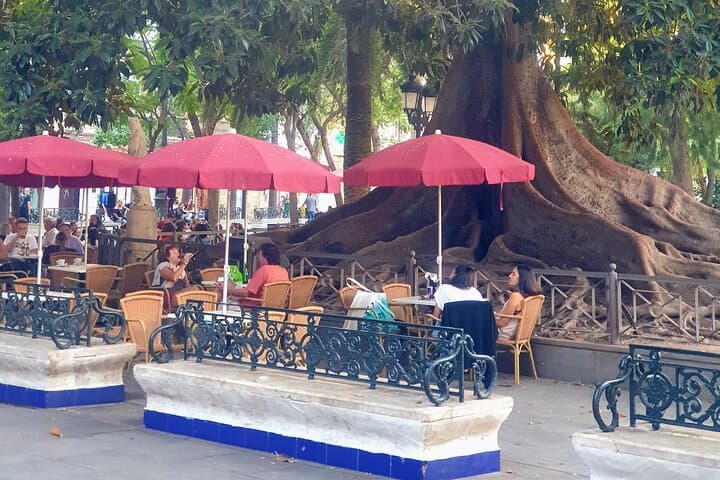
Culture is in the details Karine points out: the living habits in a small square, the oversized ficus in Alameda Apodaca, and the fish market’s morning ritual where fishermen, gulls, and locals negotiate the day. Anecdotes about Eugène Delacroix and the city’s secret doorways reveal why Cádiz’s architecture feels compact and candid rather than grand.
Practical guidance: meet at Maison Dorée, wear shoes that handle cobbles, and plan this for morning or late afternoon to avoid high sun. The route is gentle and wheelchair-accessible, but surfaces include uneven flagstones. Bring a refillable water bottle, small cash for mercado bites, and an appetite for short stories that explain why the gaditano pace is an art form. Karine ends near recommended lunch spots so you can keep exploring like someone who actually lives here.
easy.
2 hours.
Suitable for most fitness levels; participants should be comfortable walking 1–2 miles on uneven urban surfaces.
This guided walk is conducted in French by a resident guide who explains local life, history, and city anecdotes.
Yes; the operator notes wheelchair-accessible routes and surfaces, though some historic flagstones may be uneven—notify special requirements when booking.
The meeting point is in front of Maison Dorée; the tour lasts approximately two hours and ends near neighborhood dining options.
No—this walking tour focuses on exterior commentary and anecdotes; any museum or cathedral entry fees are not included.
Cádiz is one of Western Europe’s oldest continuously inhabited cities, shaped by Phoenician, Roman and 18th-century transatlantic trade that funded its wide plazas and merchant houses.
Tourism concentrates in the old town—supporting local shops and staying on marked streets helps reduce wear; avoid feeding wildlife and respect market vendors’ space.
Las guiritanas operates guided outdoor trips and adventures with an emphasis on safety, stewardship, and memorable experiences.


You step off the narrow street and the Atlantic nudges the shore, daring you to slow down. A tiled façade, a vendor sharpening a knife by the fish stalls, and Karine — a French guide who has made Cádiz her home — waits in front of Maison Dorée to lead a two-hour walk that reads like a local’s diary.
You step off the narrow street and the Atlantic nudges the shore, daring you to slow down. A tiled façade, a vendor sharpening a knife by the fish stalls, and Karine — a French guide who has made Cádiz her home — waits in front of Maison Dorée to lead a two-hour walk that reads like a local’s diary.
The city wears its history on its skin: Phoenician foundations, Roman plans, and an 18th-century boom from transatlantic trade that paid for the wide plazas and Baroque churches you’ll pass. Geology matters here too — Cádiz is a low, wind-exposed peninsula of sand and limestone, shaped by tides and Atlantic storms that have always directed how people build and move.
Culture is in the details Karine points out: the living habits in a small square, the oversized ficus in Alameda Apodaca, and the fish market’s morning ritual where fishermen, gulls, and locals negotiate the day. Anecdotes about Eugène Delacroix and the city’s secret doorways reveal why Cádiz’s architecture feels compact and candid rather than grand.
Practical guidance: meet at Maison Dorée, wear shoes that handle cobbles, and plan this for morning or late afternoon to avoid high sun. The route is gentle and wheelchair-accessible, but surfaces include uneven flagstones. Bring a refillable water bottle, small cash for mercado bites, and an appetite for short stories that explain why the gaditano pace is an art form. Karine ends near recommended lunch spots so you can keep exploring like someone who actually lives here.