THE ADVENTURE COLLECTIVE® · Independent discovery and booking for outdoor travel

Spend a day living traditional Kazakh nomad life in the Huns ethno‑village, set in the evergreen Talgar Gorge. Expect horse demonstrations, archery, crafts, kumis tasting, and an outdoor traditional lunch with mountain views.
Spend a day living traditional Kazakh nomad life in the Huns ethno‑village, set in the evergreen Talgar Gorge. Expect horse demonstrations, archery, crafts, kumis tasting, and an outdoor traditional lunch with mountain views.
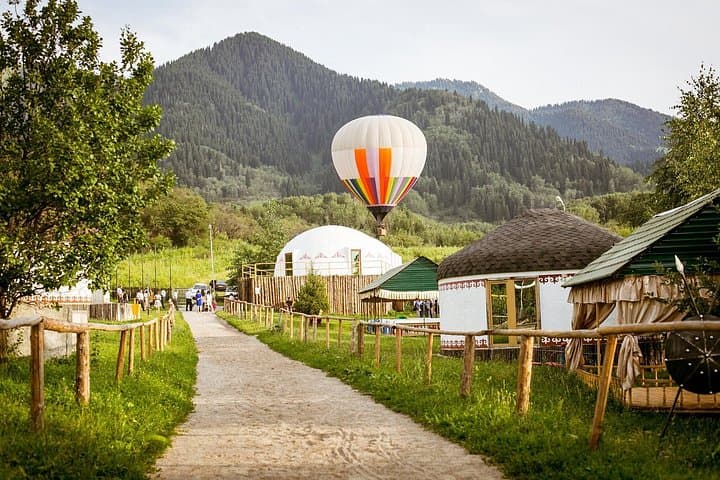
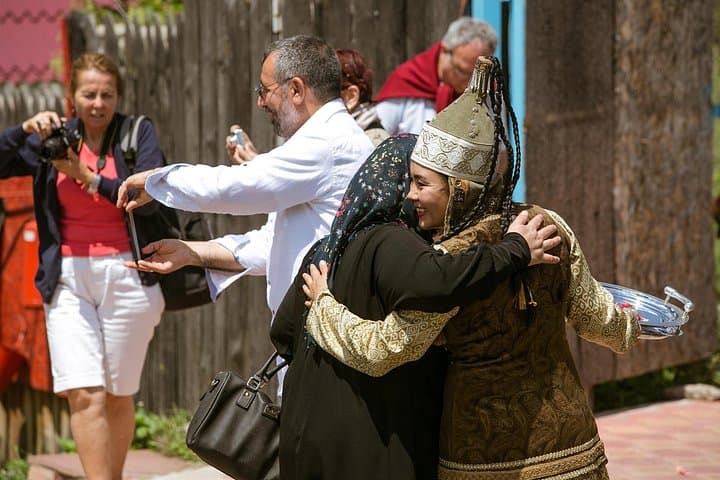
You step from an air-conditioned minivan into a courtyard where leather creaks and horses toss their manes against the high shoulders of the Trans‑Ili Alatau. Pine and fir lean down from the gorge walls; a mountain stream dares you to follow its bright, cold flow. The Huns ethno‑village stages everyday life of the Kazakh steppe — yurts, armoured reenactors, and the steady rhythm of hooves on dirt.
Verified experiences and guided adventures in the surrounding area.
Operated by NEOmad · Talgar, Almaty Region
You step from an air-conditioned minivan into a courtyard where leather creaks and horses toss their manes against the high shoulders of the Trans‑Ili Alatau. Pine and fir lean down from the gorge walls; a mountain stream dares you to follow its bright, cold flow. The Huns ethno‑village stages everyday life of the Kazakh steppe — yurts, armoured reenactors, and the steady rhythm of hooves on dirt.
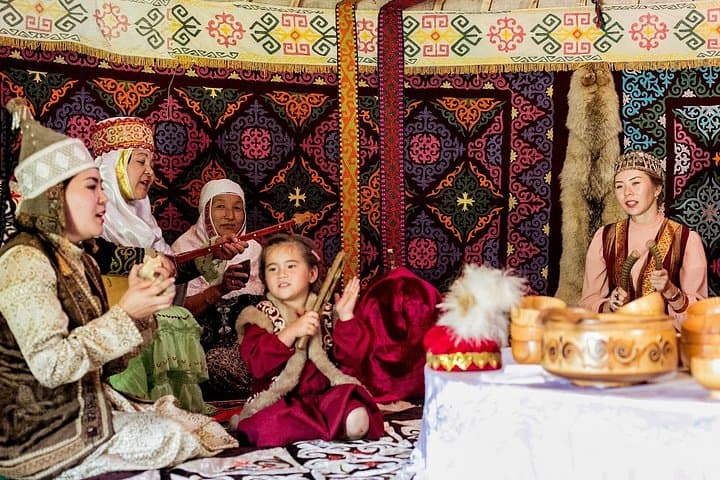
The setting sits at the foothills of the Ile Alatau range, carved by glaciers and fed by meltwater that scours narrow ravines. Visitors encounter performances that reference centuries of nomadic craft and horsemanship: archery, amateur riding, a staged warrior battle, and demonstrations of yurt construction and felt work. The village evokes broader Central Asian nomadic traditions — Turkic and steppe practices that shaped seasonal migration, horse culture, and communal cooking.
Practically, the experience is a full‑day, mostly flat program with brief bursts of walking and mounted activity; the route and demonstrations are close together but outdoors and exposed. Expect hands‑on craft stations, tasting kumis (fermented mare’s milk), and a communal outdoor lunch with mountain views. Bring layered clothing for fluctuating shade and sun, sturdy closed‑toe shoes for unpaved paths, and small local currency for crafts.
The tour runs about 5–6 hours, is family‑friendly, and requires no specialized skill — only curiosity. Morning departures catch cooler air and sharper light on the ridgelines; late‑afternoon light softens the gorge and hushes the stream for the return drive to Almaty.
easy.
5–6 hours.
Suitable for most fitness levels; involves short walks, standing during demonstrations, and optional brief horse rides.
The program runs about 5–6 hours (roughly 300–360 minutes) including performances, hands‑on stations, and lunch.
Yes — there are amateur horse‑riding opportunities and demonstrations appropriate for beginners under supervision.
A traditional outdoor lunch and bottled water are included in the tour price.
The tour is family‑friendly; infants must sit on an adult’s lap and some activities may have age or safety limits.
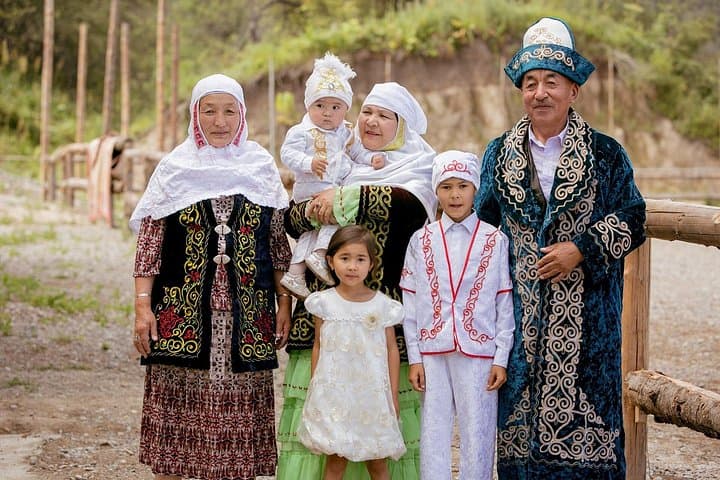
The ethno‑village interprets Kazakh nomadic lifeways shaped over centuries across the Central Asian steppe, emphasizing horsemanship, yurt culture, and seasonal migration practices.
Visitors should stick to paths, avoid disturbing forage plants and grazing animals, and support local craft sellers directly to boost community stewardship.
NEOmad operates guided outdoor trips and adventures with an emphasis on safety, stewardship, and memorable experiences.
You step from an air-conditioned minivan into a courtyard where leather creaks and horses toss their manes against the high shoulders of the Trans‑Ili Alatau. Pine and fir lean down from the gorge walls; a mountain stream dares you to follow its bright, cold flow. The Huns ethno‑village stages everyday life of the Kazakh steppe — yurts, armoured reenactors, and the steady rhythm of hooves on dirt.
You step from an air-conditioned minivan into a courtyard where leather creaks and horses toss their manes against the high shoulders of the Trans‑Ili Alatau. Pine and fir lean down from the gorge walls; a mountain stream dares you to follow its bright, cold flow. The Huns ethno‑village stages everyday life of the Kazakh steppe — yurts, armoured reenactors, and the steady rhythm of hooves on dirt.
The setting sits at the foothills of the Ile Alatau range, carved by glaciers and fed by meltwater that scours narrow ravines. Visitors encounter performances that reference centuries of nomadic craft and horsemanship: archery, amateur riding, a staged warrior battle, and demonstrations of yurt construction and felt work. The village evokes broader Central Asian nomadic traditions — Turkic and steppe practices that shaped seasonal migration, horse culture, and communal cooking.
Practically, the experience is a full‑day, mostly flat program with brief bursts of walking and mounted activity; the route and demonstrations are close together but outdoors and exposed. Expect hands‑on craft stations, tasting kumis (fermented mare’s milk), and a communal outdoor lunch with mountain views. Bring layered clothing for fluctuating shade and sun, sturdy closed‑toe shoes for unpaved paths, and small local currency for crafts.
The tour runs about 5–6 hours, is family‑friendly, and requires no specialized skill — only curiosity. Morning departures catch cooler air and sharper light on the ridgelines; late‑afternoon light softens the gorge and hushes the stream for the return drive to Almaty.