THE ADVENTURE COLLECTIVE® · Independent discovery and booking for outdoor travel

Experience unplugged Korean sound in a natural-acoustic hall: sit close to master musicians and dancers at the National Gugak Center. This one-hour performance rotates weekly between UNESCO heritage pieces and curated traditional showcases.
Experience unplugged Korean sound in a natural-acoustic hall: sit close to master musicians and dancers at the National Gugak Center. This one-hour performance rotates weekly between UNESCO heritage pieces and curated traditional showcases.
You enter a low-lit hall and the first breath of sound is not amplified; it unfolds naturally, shaped by wood and human lungs. The room breathes with kayagum plucks, the janggu's heartbeat, and voices that carry centuries of story. Seats are assigned at random, so strangers become a temporary audience bound by the same attentive hush.
Verified experiences and guided adventures in the surrounding area.
Operated by SEOUL PASS · Seoul, Seoul
You enter a low-lit hall and the first breath of sound is not amplified; it unfolds naturally, shaped by wood and human lungs. The room breathes with kayagum plucks, the janggu's heartbeat, and voices that carry centuries of story. Seats are assigned at random, so strangers become a temporary audience bound by the same attentive hush.
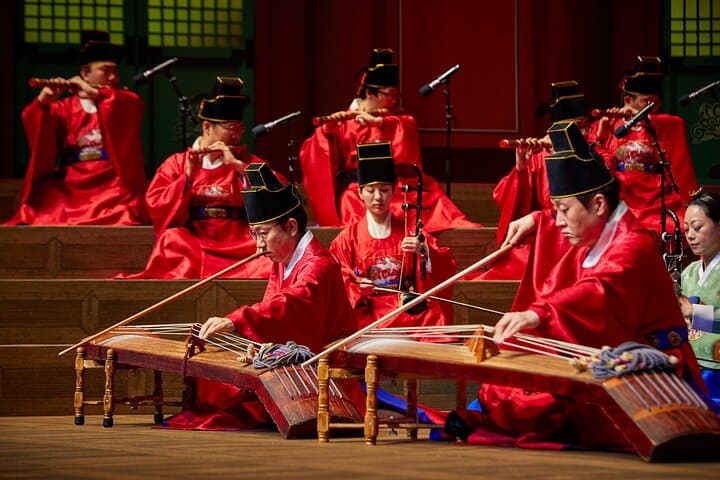
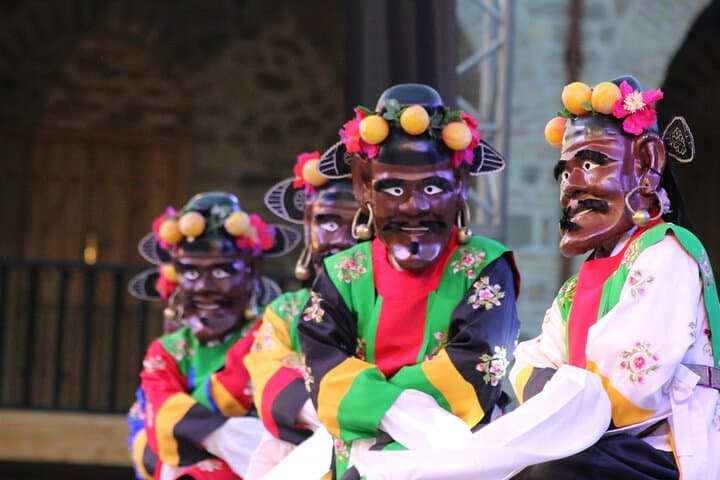
Gugak—Korean traditional music—threads court ritual, folk celebration, and shamanic chant into distinct textures. The National Gugak Center is a modern keeper of that lineage, showcasing performances that range from royal court pieces to folk songs and traditional dance. The center emphasizes acoustic purity: many shows use no microphones, so the hall’s architecture and the performers’ technique are as much part of the concert as the instruments.
Expect changing monthly programs: UNESCO Intangible Cultural Heritage ceremonies one week, curated instrument showcases the next. Languages and cultural notes are accessible for international audiences, and short intermissions let you stretch or visit a small exhibit in the lobby.
Practical guidance: arrive at least 10 minutes before curtain, store bulky coats in the lobby lockers, and silence phones—recording is generally discouraged. Seats are comfortable but unassigned, so early arrival helps if you prefer aisle or center views. Dress smart-casual; acoustics reward stillness and attention. If you’re pairing this with other Seoul cultural stops, the venue is conveniently served by shuttle connections to Seocho and Nambu Bus Terminal stations. For anyone curious about sound, ritual, and rhythm, a Saturday gugak performance is both an intimate cultural primer and a quietly powerful night out.
easy.
1–1.5 hours.
Suitable for all fitness levels; mostly seated indoor experience
The listed performance runs about 70 minutes, typically with a short intermission depending on the program.
This show is open to anyone over age 7; there is a playground area in the lobby for ages roughly 3–8.
Recording policies vary by program but many performances discourage or prohibit recording; follow on-site signage and staff guidance.
All sales are final for this ticket; no refunds are available.
Gugak encompasses court music, folk traditions, and ritual forms developed over centuries; the National Gugak Center curates rotating programs including UNESCO-recognized pieces.
The center emphasizes preservation of intangible cultural heritage and acoustic performance practices, encouraging respectful audience behavior and limited electronic use to protect the live sound experience.
SEOUL PASS operates guided outdoor trips and adventures with an emphasis on safety, stewardship, and memorable experiences.
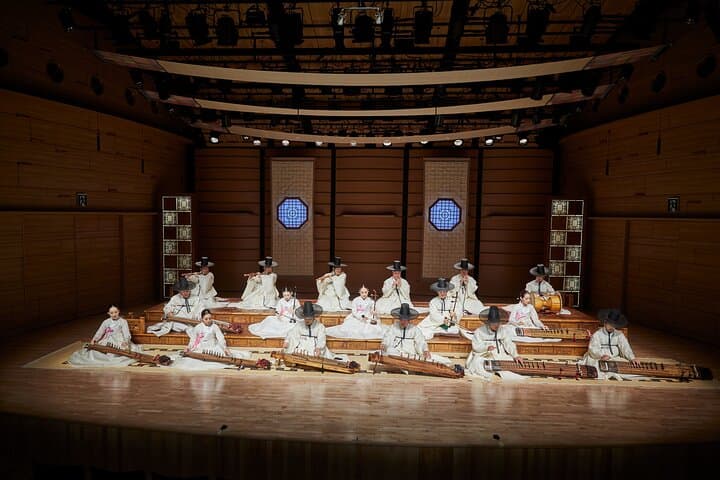
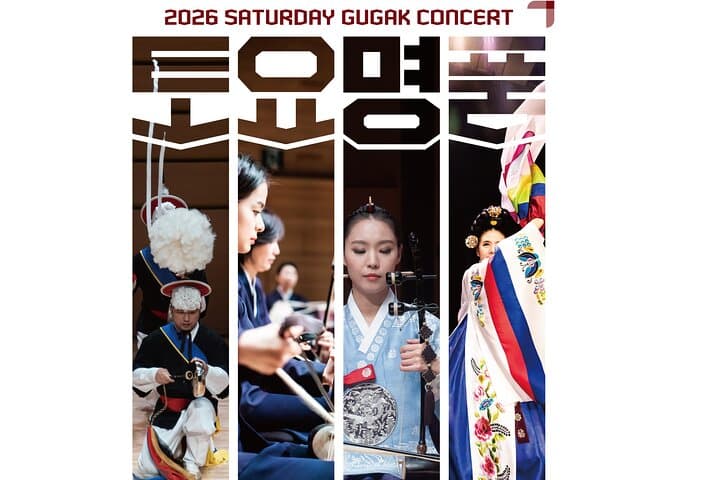
You enter a low-lit hall and the first breath of sound is not amplified; it unfolds naturally, shaped by wood and human lungs. The room breathes with kayagum plucks, the janggu's heartbeat, and voices that carry centuries of story. Seats are assigned at random, so strangers become a temporary audience bound by the same attentive hush.
You enter a low-lit hall and the first breath of sound is not amplified; it unfolds naturally, shaped by wood and human lungs. The room breathes with kayagum plucks, the janggu's heartbeat, and voices that carry centuries of story. Seats are assigned at random, so strangers become a temporary audience bound by the same attentive hush.
Gugak—Korean traditional music—threads court ritual, folk celebration, and shamanic chant into distinct textures. The National Gugak Center is a modern keeper of that lineage, showcasing performances that range from royal court pieces to folk songs and traditional dance. The center emphasizes acoustic purity: many shows use no microphones, so the hall’s architecture and the performers’ technique are as much part of the concert as the instruments.
Expect changing monthly programs: UNESCO Intangible Cultural Heritage ceremonies one week, curated instrument showcases the next. Languages and cultural notes are accessible for international audiences, and short intermissions let you stretch or visit a small exhibit in the lobby.
Practical guidance: arrive at least 10 minutes before curtain, store bulky coats in the lobby lockers, and silence phones—recording is generally discouraged. Seats are comfortable but unassigned, so early arrival helps if you prefer aisle or center views. Dress smart-casual; acoustics reward stillness and attention. If you’re pairing this with other Seoul cultural stops, the venue is conveniently served by shuttle connections to Seocho and Nambu Bus Terminal stations. For anyone curious about sound, ritual, and rhythm, a Saturday gugak performance is both an intimate cultural primer and a quietly powerful night out.