THE ADVENTURE COLLECTIVE® · Independent discovery and booking for outdoor travel

Experience an hour of Croatian song, dance and costume in central Zagreb, complete with a guided cultural-house tour and rakija tasting. Perfect for travelers seeking a compact, authentic introduction to Croatia’s regional traditions.
Experience an hour of Croatian song, dance and costume in central Zagreb, complete with a guided cultural-house tour and rakija tasting. Perfect for travelers seeking a compact, authentic introduction to Croatia’s regional traditions.
Stepping into the performance hall, the room vibrates with drumbeats and footwork that trace lines across Croatia’s regions — Dalmatian klapa harmonies, Slavonian stomps, and island reels. Costumes flash with hand-stitched embroidery as dancers pivot and singers press old stories into modern ears.
Verified experiences and guided adventures in the surrounding area.
Operated by Hearts Of Zagreb · Zagreb, Zagreb
Stepping into the performance hall, the room vibrates with drumbeats and footwork that trace lines across Croatia’s regions — Dalmatian klapa harmonies, Slavonian stomps, and island reels. Costumes flash with hand-stitched embroidery as dancers pivot and singers press old stories into modern ears.
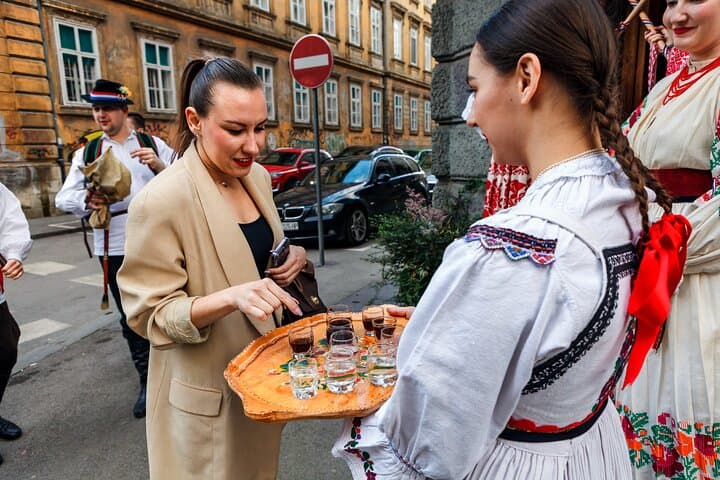
Zagreb sits at the edge of the Sava River plain and the slopes of Medvednica, a city shaped by trade routes and regional crossroads. Folk traditions here reflect coastal, continental and mountain cultures; music and dance were practical ways to mark seasons, harvests and rites of passage. The show pairs choreography with a short guided tour of the cultural house, where ethnographic objects and regional garments explain how geography and history produced distinct styles. A small rakija tasting (18+) introduces local flavors and the custom of toasting.
Practical details: the experience lasts about an hour and is family-friendly and physically easy — most guests are seated while performers move the stage. Public transit options in central Zagreb make arrival straightforward; many visitors combine the show with an afternoon at Dolac Market or an evening walk up Gradec for city views.
Plan to arrive early for good seats, bring ID for alcohol tasting, and be ready to ask performers about techniques and traditions — they often welcome questions and photo requests. The experience is compact, immersive and best for travelers wanting a concentrated introduction to Croatian folk culture without a long excursion.
easy.
1 hour.
Suitable for all fitness levels; mostly seated with minimal standing.
The performance and guided cultural-house tour run about 60 minutes total.
Yes—physically easy and family-friendly; infants may remain in strollers and seating is suitable for kids.
Yes—an authentic rakija sample is offered to guests aged 18 and over; bring valid ID to participate.
All sales are final; tickets are non-refundable and subject to the provider’s cancellation rules.
Croatian folk dance and song evolved regionally—coastal klapa singing, inland kolo dances and Slavonian brass traditions reflect the country’s geographic and cultural divides.
Support local culture by respecting costumes and artifacts, asking before photographing performers up close, and buying artisan-made souvenirs to help sustain traditions.
Hearts Of Zagreb operates guided outdoor trips and adventures with an emphasis on safety, stewardship, and memorable experiences.
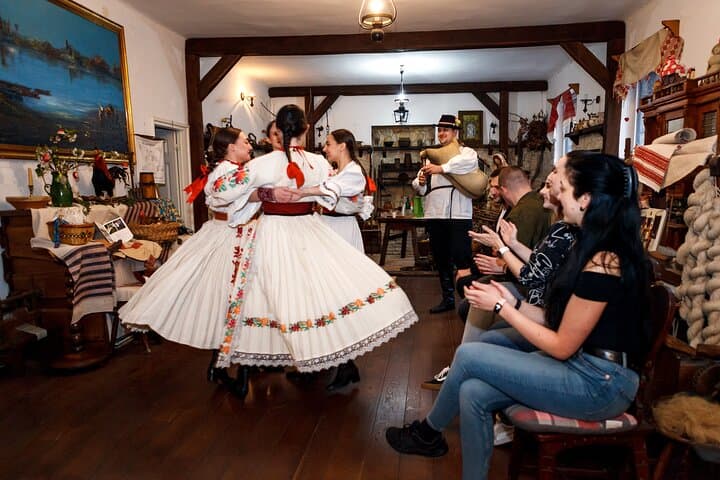
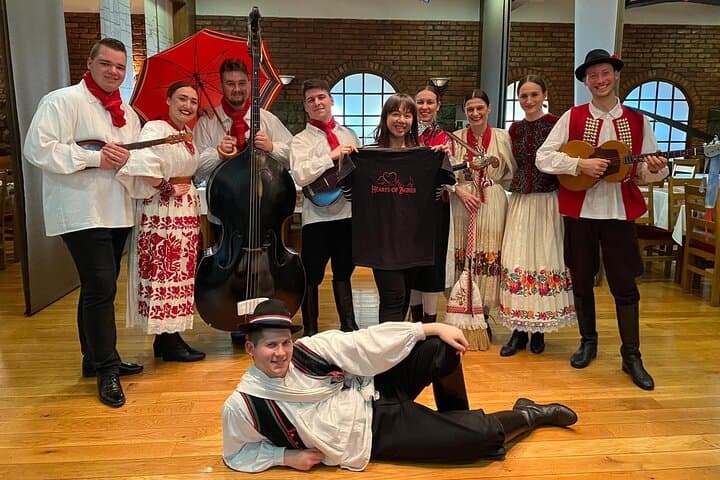
Stepping into the performance hall, the room vibrates with drumbeats and footwork that trace lines across Croatia’s regions — Dalmatian klapa harmonies, Slavonian stomps, and island reels. Costumes flash with hand-stitched embroidery as dancers pivot and singers press old stories into modern ears.
Stepping into the performance hall, the room vibrates with drumbeats and footwork that trace lines across Croatia’s regions — Dalmatian klapa harmonies, Slavonian stomps, and island reels. Costumes flash with hand-stitched embroidery as dancers pivot and singers press old stories into modern ears.
Zagreb sits at the edge of the Sava River plain and the slopes of Medvednica, a city shaped by trade routes and regional crossroads. Folk traditions here reflect coastal, continental and mountain cultures; music and dance were practical ways to mark seasons, harvests and rites of passage. The show pairs choreography with a short guided tour of the cultural house, where ethnographic objects and regional garments explain how geography and history produced distinct styles. A small rakija tasting (18+) introduces local flavors and the custom of toasting.
Practical details: the experience lasts about an hour and is family-friendly and physically easy — most guests are seated while performers move the stage. Public transit options in central Zagreb make arrival straightforward; many visitors combine the show with an afternoon at Dolac Market or an evening walk up Gradec for city views.
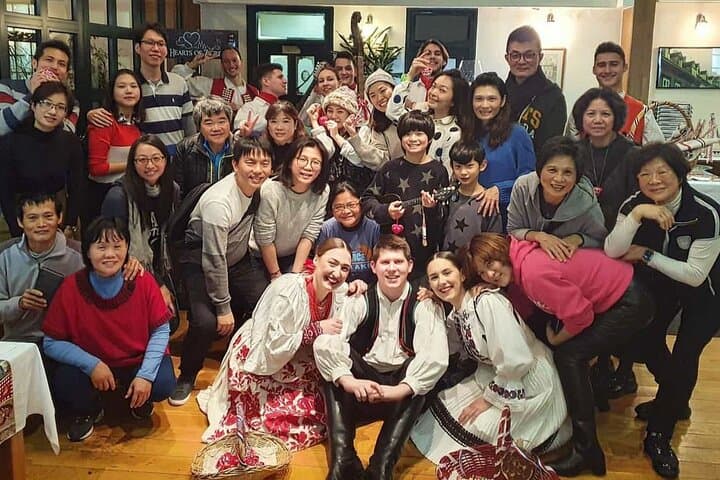
Plan to arrive early for good seats, bring ID for alcohol tasting, and be ready to ask performers about techniques and traditions — they often welcome questions and photo requests. The experience is compact, immersive and best for travelers wanting a concentrated introduction to Croatian folk culture without a long excursion.