THE ADVENTURE COLLECTIVE® · Independent discovery and booking for outdoor travel

Walk the streets where Prohibition, turf wars and mob strategy shaped modern New York. This private, two-hour Little Italy tour pairs street-level storytelling with historic sites tied to famous gangs and mafia figures.
Walk the streets where Prohibition, turf wars and mob strategy shaped modern New York. This private, two-hour Little Italy tour pairs street-level storytelling with historic sites tied to famous gangs and mafia figures.
You step out onto Bowery and the city leans in—narrow sidewalks, the hum of delivery trucks, and Mulberry Street daring you to follow its cracked flagstones. In two hours a licensed private guide threads you through alleyways, bar fronts and former social clubs where headlines were made and lives were rewritten.
Verified experiences and guided adventures in the surrounding area.
Operated by New York City Tours · New York, New York
You step out onto Bowery and the city leans in—narrow sidewalks, the hum of delivery trucks, and Mulberry Street daring you to follow its cracked flagstones. In two hours a licensed private guide threads you through alleyways, bar fronts and former social clubs where headlines were made and lives were rewritten.
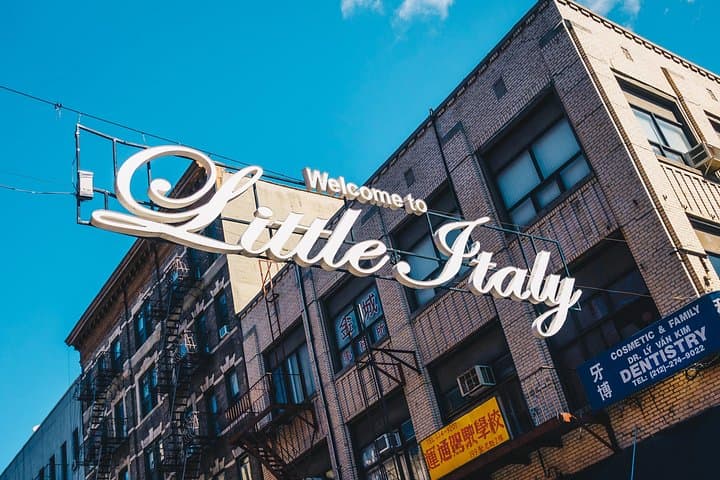
Little Italy grew rapidly in the late 19th and early 20th centuries as waves of Italian immigrants crowded tenements and opened bakeries and cafes. The neighborhood’s built environment — low-rise brick façades, narrow streets and former tenement lots — shaped how gangs operated, offering both concealment and quick escape routes during Prohibition and the mafia’s rise.
Culture here is stubbornly local: family-run restaurants, laminated community photos in windows, and civic memory anchored in places like Mare Chiaro, the Ravenite Social Club and Bootleggers’ Corner. Your guide ties names (Gallo, Masseria, Gotti) to buildings, explains how speakeasies worked, and points out Hollywood’s footprint on real streets.
Practical guidance: the route is flat and fully accessible with frequent stops for storytelling and photos. Wear comfortable walking shoes and carry a small water bottle—New York sidewalks can be crowded and summer heat compresses every block. Morning and late afternoon tours avoid peak pedestrian traffic and deliver cooler light for photos.
Expect straightforward, evidence-based narration rather than sensationalism; the tour balances gritty anecdotes with archival context. Ask about local dining recommendations at the end — the best way to put the neighborhood’s history on your palate is by staying for espresso or a ricotta cannoli.
easy.
2 hours.
Basic walking fitness; accessible for most people who can walk short city distances and stand for talk segments
Meet in front of the Bowery Pharmacy at 95 Bowery, New York, NY 10002; the guide will display a tour sign and confirm your name.
Yes — the route is on paved streets and designed to be wheelchair and stroller accessible, with fewer stairs and manageable curb cuts.
Expect gentle walking with several stops; total distance is about 1–1.5 miles over two hours with frequent pauses for stories and photos.
Gratuities are appreciated but not required; 10–20% of the tour price is a common guideline for excellent private guiding.
Little Italy was shaped by Italian immigration from the 1880s onward and became a hub for organized crime during Prohibition, when bootlegging and speakeasies transformed social and economic life.
Support local businesses to help preserve the neighborhood’s historic character; avoid littering and stick to sidewalks to minimize wear on older surfaces.
New York City Tours operates guided outdoor trips and adventures with an emphasis on safety, stewardship, and memorable experiences.

You step out onto Bowery and the city leans in—narrow sidewalks, the hum of delivery trucks, and Mulberry Street daring you to follow its cracked flagstones. In two hours a licensed private guide threads you through alleyways, bar fronts and former social clubs where headlines were made and lives were rewritten.
You step out onto Bowery and the city leans in—narrow sidewalks, the hum of delivery trucks, and Mulberry Street daring you to follow its cracked flagstones. In two hours a licensed private guide threads you through alleyways, bar fronts and former social clubs where headlines were made and lives were rewritten.
Little Italy grew rapidly in the late 19th and early 20th centuries as waves of Italian immigrants crowded tenements and opened bakeries and cafes. The neighborhood’s built environment — low-rise brick façades, narrow streets and former tenement lots — shaped how gangs operated, offering both concealment and quick escape routes during Prohibition and the mafia’s rise.
Culture here is stubbornly local: family-run restaurants, laminated community photos in windows, and civic memory anchored in places like Mare Chiaro, the Ravenite Social Club and Bootleggers’ Corner. Your guide ties names (Gallo, Masseria, Gotti) to buildings, explains how speakeasies worked, and points out Hollywood’s footprint on real streets.
Practical guidance: the route is flat and fully accessible with frequent stops for storytelling and photos. Wear comfortable walking shoes and carry a small water bottle—New York sidewalks can be crowded and summer heat compresses every block. Morning and late afternoon tours avoid peak pedestrian traffic and deliver cooler light for photos.
Expect straightforward, evidence-based narration rather than sensationalism; the tour balances gritty anecdotes with archival context. Ask about local dining recommendations at the end — the best way to put the neighborhood’s history on your palate is by staying for espresso or a ricotta cannoli.