THE ADVENTURE COLLECTIVE® · Independent discovery and booking for outdoor travel

An energetic two-hour scavenger-style walk through Little India that blends street food tastings with culture-based challenges. Ideal for groups who want a playful, immersive look at markets, shophouses and hidden corners of one of Singapore’s liveliest districts.
An energetic two-hour scavenger-style walk through Little India that blends street food tastings with culture-based challenges. Ideal for groups who want a playful, immersive look at markets, shophouses and hidden corners of one of Singapore’s liveliest districts.
You step off the MRT into a lane where spices seem to hum and storefronts pulse with color; tuk-tuk decals, tin signs and the angular facade of the House of Tan Teng Niah anchor the neighborhood like a landmark in motion.
Verified experiences and guided adventures in the surrounding area.
Operated by Tribe Tours · Singapore, Singapore
You step off the MRT into a lane where spices seem to hum and storefronts pulse with color; tuk-tuk decals, tin signs and the angular facade of the House of Tan Teng Niah anchor the neighborhood like a landmark in motion.
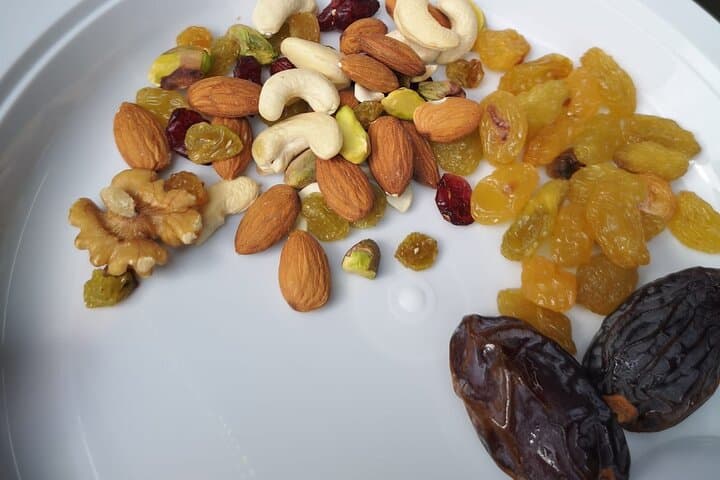
This two-hour interactive hunt through Little India moves at street-level tempo: stop at Tekka Market to taste sweets and street snacks, thread through Campbell Lane’s heritage shops, and stand beneath the painted eaves of colorful shophouses while completing scavenger tasks that point to local trades and traditions.
Little India grew in the 19th century as South Asian traders, workers and artisans settled near Singapore’s colonial core. The neighborhood’s buildings are primarily pre-war shophouses on alluvial ground filled over generations; their facades, signboards and shop-front temples map cultural continuity. Expect to encounter Hindu shrines, sari stalls, brassware sellers and a steady rhythm of bargaining at market stalls.
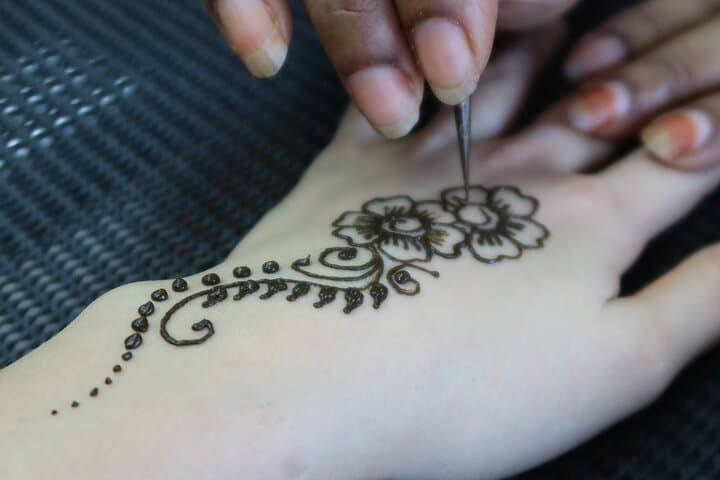
For practical planning: wear light, closed-toe shoes for uneven sidewalks; bring a refillable water bottle—the tropical heat is immediate. The experience includes a game kit, snacks and a henna token, and uses public transit to hop between stops. Groups move at an easy pace but the clocked challenges add playful pressure—arrive with a charged phone for photos and a small local cash note for incidental purchases.
Timing matters: early morning cools the walk and markets are liveliest; late afternoons bring a different light and fewer crowds. Respect temple etiquette, carry hand sanitizer after food tastings, and leave extra time if you want to linger in a sweet stall or a tiny bookshop.
easy.
2 hours.
Suitable for most fitness levels; requires walking on city sidewalks and occasional short bursts between stops
Yes—tasks are family-friendly, but adult supervision is recommended in busy market areas and during eating challenges.
Snacks are included as part of the experience, but full meals or extra purchases are at your own expense.
The tour follows city sidewalks and market aisles; it’s generally accessible but some stalls and shophouse entrances have steps or narrow passages.
Tours and game materials are typically in English; check the operator for multilingual support if needed.
Little India developed in the 19th century as a hub for South Asian migrants and traders; its shophouses and temples reflect layered colonial and community histories.
Support small vendors and reduce single-use plastics; be mindful of temple cleanliness and dispose of food waste responsibly.
Tribe Tours operates guided outdoor trips and adventures with an emphasis on safety, stewardship, and memorable experiences.
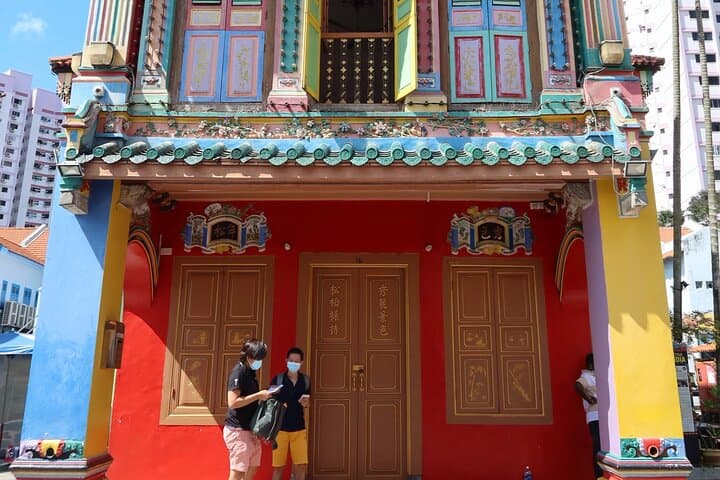
You step off the MRT into a lane where spices seem to hum and storefronts pulse with color; tuk-tuk decals, tin signs and the angular facade of the House of Tan Teng Niah anchor the neighborhood like a landmark in motion.
You step off the MRT into a lane where spices seem to hum and storefronts pulse with color; tuk-tuk decals, tin signs and the angular facade of the House of Tan Teng Niah anchor the neighborhood like a landmark in motion.
This two-hour interactive hunt through Little India moves at street-level tempo: stop at Tekka Market to taste sweets and street snacks, thread through Campbell Lane’s heritage shops, and stand beneath the painted eaves of colorful shophouses while completing scavenger tasks that point to local trades and traditions.
Little India grew in the 19th century as South Asian traders, workers and artisans settled near Singapore’s colonial core. The neighborhood’s buildings are primarily pre-war shophouses on alluvial ground filled over generations; their facades, signboards and shop-front temples map cultural continuity. Expect to encounter Hindu shrines, sari stalls, brassware sellers and a steady rhythm of bargaining at market stalls.
For practical planning: wear light, closed-toe shoes for uneven sidewalks; bring a refillable water bottle—the tropical heat is immediate. The experience includes a game kit, snacks and a henna token, and uses public transit to hop between stops. Groups move at an easy pace but the clocked challenges add playful pressure—arrive with a charged phone for photos and a small local cash note for incidental purchases.
Timing matters: early morning cools the walk and markets are liveliest; late afternoons bring a different light and fewer crowds. Respect temple etiquette, carry hand sanitizer after food tastings, and leave extra time if you want to linger in a sweet stall or a tiny bookshop.