THE ADVENTURE COLLECTIVE® · Independent discovery and booking for outdoor travel

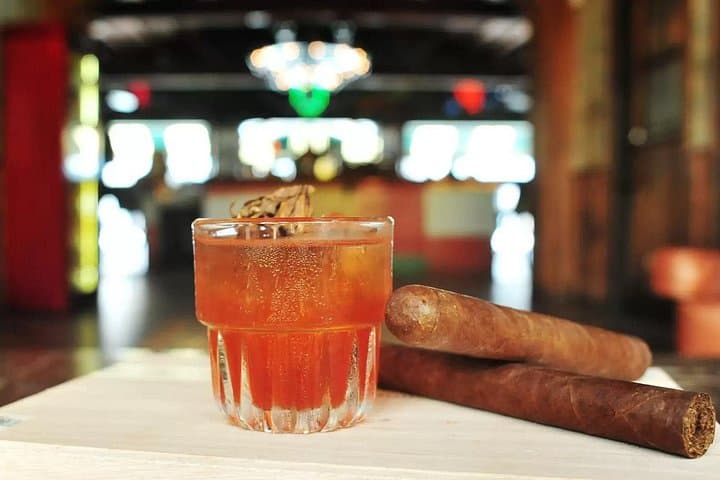
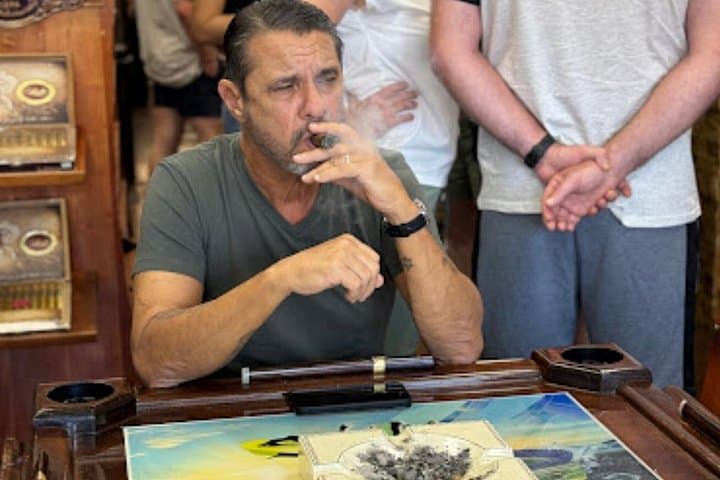
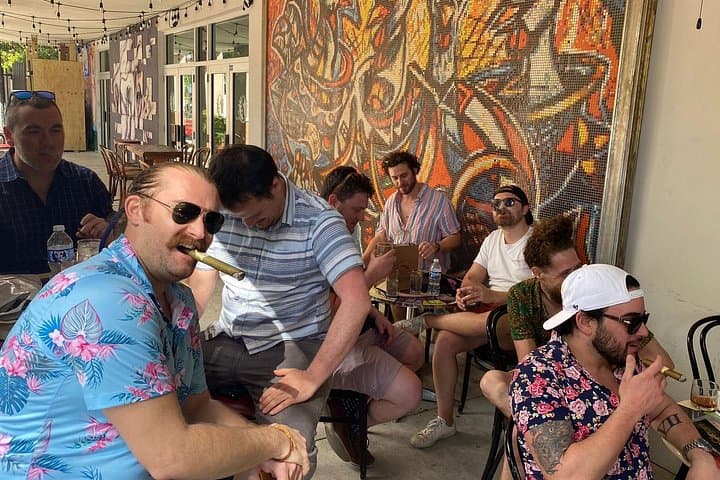
Walk Little Havana with a cigar master and sample Cuban-style rums while learning how premium cigars are hand-rolled. This 2½-hour neighborhood tour mixes tasting, factory floor demos, and local history for an accessible cultural outing in Miami.
Walk Little Havana with a cigar master and sample Cuban-style rums while learning how premium cigars are hand-rolled. This 2½-hour neighborhood tour mixes tasting, factory floor demos, and local history for an accessible cultural outing in Miami.
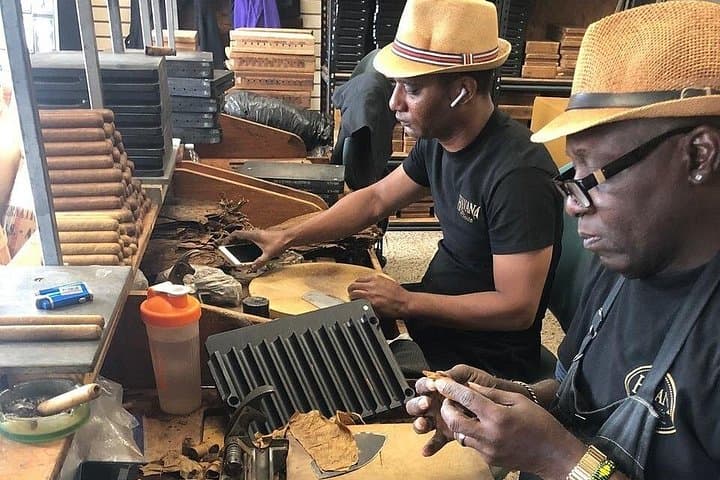
The tour opens on SW 8th Street, where the city’s rhythms shift into the clipped roll of Spanish and the aroma of toasted tobacco. Strolling past painted storefronts and domino players, visitors meet a master torcedor inside an old-school cigar factory; the bustle of rollers and the hum of conversation set the tempo for the afternoon.
Verified experiences and guided adventures in the surrounding area.
Operated by Miami Culinary Tours · Miami, Florida
The tour opens on SW 8th Street, where the city’s rhythms shift into the clipped roll of Spanish and the aroma of toasted tobacco. Strolling past painted storefronts and domino players, visitors meet a master torcedor inside an old-school cigar factory; the bustle of rollers and the hum of conversation set the tempo for the afternoon.
Little Havana grew in the mid-20th century as waves of Cuban exiles remade this Miami neighborhood into a cultural anchor. The pavement and buildings tell a working-class story—cafes, social clubs, and storefronts where imported seeds and rolled leaves became a local craft. Geology plays a quiet role here: the porous limestone bedrock of South Florida shapes groundwater and urban landscaping, while tropical palms and banyans frame the boulevard.
A good guide ties history to process: tobacco origins, fermentation, fillers and wrappers, and the hands-on skill of rolling. Rum tastings accompany that lesson—bright, molasses-driven expressions that mirror Cuba’s colonial sugar economy and the Caribbean’s trade routes.
Practical guidance: wear comfortable shoes for light walking and bring valid ID for tastings. Plan for heat and sun; tours run rain or shine so a light rain jacket helps. Expect about 2–3 hours on your feet with some standing indoors at the factory. Photography is generally welcome but be respectful inside working areas.
For travelers, this tour is a concentrated cultural exchange—part tasting, part craft demo, part neighborhood walk—best for anyone curious about the artisanal side of cigars and the immigrant stories that shaped Miami.
easy.
2–3 hours.
Suitable for most fitness levels; requires light walking and standing for short demonstrations
Yes—rum tastings are included as part of the tour’s food-and-drink inclusions.
Infants and small children can attend, but alcoholic tastings are restricted to adults with ID; activities are family-friendly but may not interest young children.
Yes—this tour notes wheelchair-accessible surfaces and transportation options; check with the operator for specific mobility needs.
Yes—space is limited and the tour has a cancellation policy; book ahead and arrive at the Tower Theatre meeting point on time.
Little Havana became a cultural and political hub for Cuban exiles from the 1950s onward, preserving culinary and craft traditions that define the neighborhood today.
Support local businesses, dispose of cigar waste responsibly, and follow indoor smoking rules; small tours help minimize impact on busy residential streets.
Miami Culinary Tours operates guided outdoor trips and adventures with an emphasis on safety, stewardship, and memorable experiences.
The tour opens on SW 8th Street, where the city’s rhythms shift into the clipped roll of Spanish and the aroma of toasted tobacco. Strolling past painted storefronts and domino players, visitors meet a master torcedor inside an old-school cigar factory; the bustle of rollers and the hum of conversation set the tempo for the afternoon.
The tour opens on SW 8th Street, where the city’s rhythms shift into the clipped roll of Spanish and the aroma of toasted tobacco. Strolling past painted storefronts and domino players, visitors meet a master torcedor inside an old-school cigar factory; the bustle of rollers and the hum of conversation set the tempo for the afternoon.
Little Havana grew in the mid-20th century as waves of Cuban exiles remade this Miami neighborhood into a cultural anchor. The pavement and buildings tell a working-class story—cafes, social clubs, and storefronts where imported seeds and rolled leaves became a local craft. Geology plays a quiet role here: the porous limestone bedrock of South Florida shapes groundwater and urban landscaping, while tropical palms and banyans frame the boulevard.
A good guide ties history to process: tobacco origins, fermentation, fillers and wrappers, and the hands-on skill of rolling. Rum tastings accompany that lesson—bright, molasses-driven expressions that mirror Cuba’s colonial sugar economy and the Caribbean’s trade routes.
Practical guidance: wear comfortable shoes for light walking and bring valid ID for tastings. Plan for heat and sun; tours run rain or shine so a light rain jacket helps. Expect about 2–3 hours on your feet with some standing indoors at the factory. Photography is generally welcome but be respectful inside working areas.
For travelers, this tour is a concentrated cultural exchange—part tasting, part craft demo, part neighborhood walk—best for anyone curious about the artisanal side of cigars and the immigrant stories that shaped Miami.