THE ADVENTURE COLLECTIVE® · Independent discovery and booking for outdoor travel

A focused 90-minute walking tour that connects Little Haiti’s streets to the Haitian Revolution, diasporic culture, and everyday life. Expect murals, botanicas, food samples and local stories delivered by neighborhood guides.
A focused 90-minute walking tour that connects Little Haiti’s streets to the Haitian Revolution, diasporic culture, and everyday life. Expect murals, botanicas, food samples and local stories delivered by neighborhood guides.
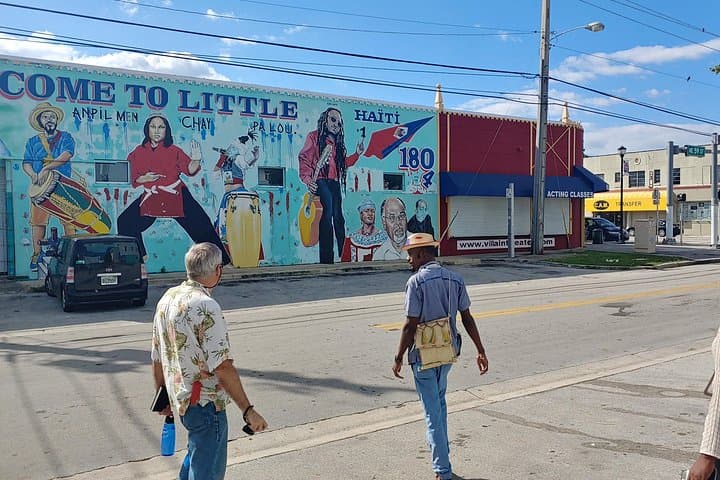
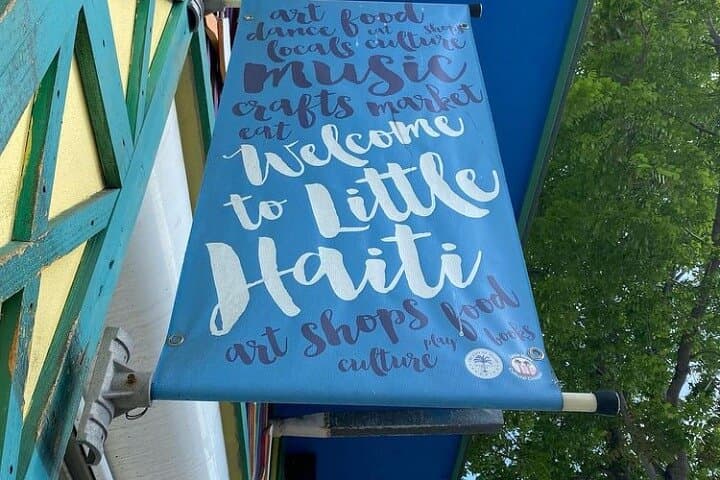
You meet in front of a yellow building and the neighborhood answers: percussion from a corner, the scent of simmering spices, hand-painted signs advertising botanicas and art. The 90-minute La Perle de Miami tour moves at an urban pace — deliberate, conversational — threading murals, community centers and small vendors to show how Haitian identity shapes streets, food and sound here.
Verified experiences and guided adventures in the surrounding area.
Operated by Tap Tap Tours · Miami, Florida
You meet in front of a yellow building and the neighborhood answers: percussion from a corner, the scent of simmering spices, hand-painted signs advertising botanicas and art. The 90-minute La Perle de Miami tour moves at an urban pace — deliberate, conversational — threading murals, community centers and small vendors to show how Haitian identity shapes streets, food and sound here.
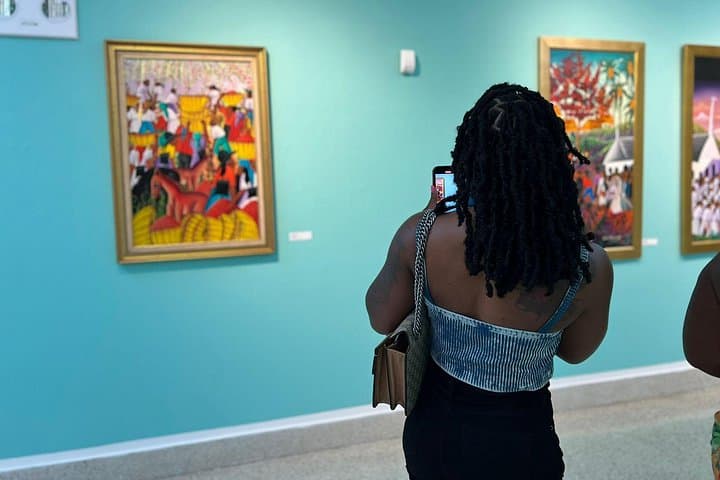
The tour links local scenes to larger history. The Haitian Revolution’s global ripple and 20th-century migrations helped form Little Haiti’s social fabric; today the neighborhood holds that diasporic dialogue in its markets, music and religious practice. Geologically the area sits on Miami’s flat coastal plain — expect roughly 1–1.5 miles of walking with negligible elevation gain on paved sidewalks. Culture is tactile: botanicas stocked with dried herbs, corner bakeries frying griot, and murals that map migration and resistance.
Local guides explain transnational ties — Creole phrases, ritual objects, and songs that trace a Caribbean route across the Atlantic. Respect is part of the visit: ask before photographing altars or people, and consider supporting small vendors.
Practical details: meet at the yellow building on your ticket, wear breathable shoes for pavement, carry water and sun protection, and be ready for Miami humidity or sudden showers. Public transit serves the neighborhood; parking can be tight. Snacks are included, giving a quick taste of Haitian flavors. This compact, accessible tour gives both newcomers and returning visitors a grounded, context-rich introduction to Little Haiti’s living history.
easy.
1.5 hours.
Able to walk 1–1.5 miles on flat urban sidewalks; suitable for most fitness levels
The tour runs 90 minutes and covers roughly 1–1.5 miles on flat sidewalks with frequent stops.
The neighborhood is mostly flat but sidewalks can be uneven; contact the operator ahead to confirm accessibility accommodations.
Light snacks are included; inform the operator of dietary restrictions when booking so they can advise or accommodate.
Always ask permission before photographing people or ritual spaces; vendors are usually happy to be photographed if you ask first.
Little Haiti developed as Haitian migrants settled in Miami following political upheavals and economic migrations; the neighborhood preserves diasporic ties through language, religion and commerce.
Support local resilience by buying from independent vendors, minimizing waste, and respecting cultural sites; mindful tourism helps sustain both businesses and community spaces.
Tap Tap Tours operates guided outdoor trips and adventures with an emphasis on safety, stewardship, and memorable experiences.
You meet in front of a yellow building and the neighborhood answers: percussion from a corner, the scent of simmering spices, hand-painted signs advertising botanicas and art. The 90-minute La Perle de Miami tour moves at an urban pace — deliberate, conversational — threading murals, community centers and small vendors to show how Haitian identity shapes streets, food and sound here.
You meet in front of a yellow building and the neighborhood answers: percussion from a corner, the scent of simmering spices, hand-painted signs advertising botanicas and art. The 90-minute La Perle de Miami tour moves at an urban pace — deliberate, conversational — threading murals, community centers and small vendors to show how Haitian identity shapes streets, food and sound here.
The tour links local scenes to larger history. The Haitian Revolution’s global ripple and 20th-century migrations helped form Little Haiti’s social fabric; today the neighborhood holds that diasporic dialogue in its markets, music and religious practice. Geologically the area sits on Miami’s flat coastal plain — expect roughly 1–1.5 miles of walking with negligible elevation gain on paved sidewalks. Culture is tactile: botanicas stocked with dried herbs, corner bakeries frying griot, and murals that map migration and resistance.
Local guides explain transnational ties — Creole phrases, ritual objects, and songs that trace a Caribbean route across the Atlantic. Respect is part of the visit: ask before photographing altars or people, and consider supporting small vendors.
Practical details: meet at the yellow building on your ticket, wear breathable shoes for pavement, carry water and sun protection, and be ready for Miami humidity or sudden showers. Public transit serves the neighborhood; parking can be tight. Snacks are included, giving a quick taste of Haitian flavors. This compact, accessible tour gives both newcomers and returning visitors a grounded, context-rich introduction to Little Haiti’s living history.