THE ADVENTURE COLLECTIVE® · Independent discovery and booking for outdoor travel

Walk the streets where Cais do Valongo once received enslaved Africans and learn Brazil’s hard-won history with a local guide. This four-hour guided tour combines museum visits, harbor views and personal stories that bring the city’s African heritage into focus.
Walk the streets where Cais do Valongo once received enslaved Africans and learn Brazil’s hard-won history with a local guide. This four-hour guided tour combines museum visits, harbor views and personal stories that bring the city’s African heritage into focus.
You step down from an air-conditioned van into a slice of Rio where the harbor wind and city noise bracket a quieter history. Cobbled alleys lead from the modern port toward low brick warehouses and a small memorial courtyard; the guide’s voice maps human stories onto stone and water as the harbor seems to hold its breath.
Verified experiences and guided adventures in the surrounding area.
Operated by Rio Carioca Tour Ltda · Rio de Janeiro, Rio de Janeiro
You step down from an air-conditioned van into a slice of Rio where the harbor wind and city noise bracket a quieter history. Cobbled alleys lead from the modern port toward low brick warehouses and a small memorial courtyard; the guide’s voice maps human stories onto stone and water as the harbor seems to hold its breath.
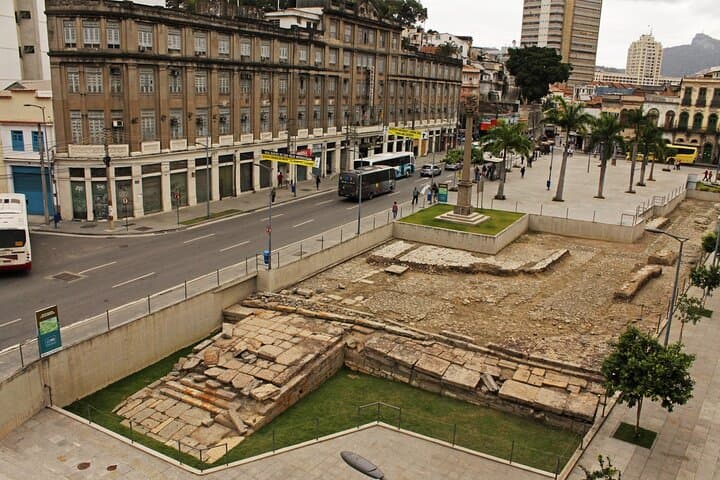
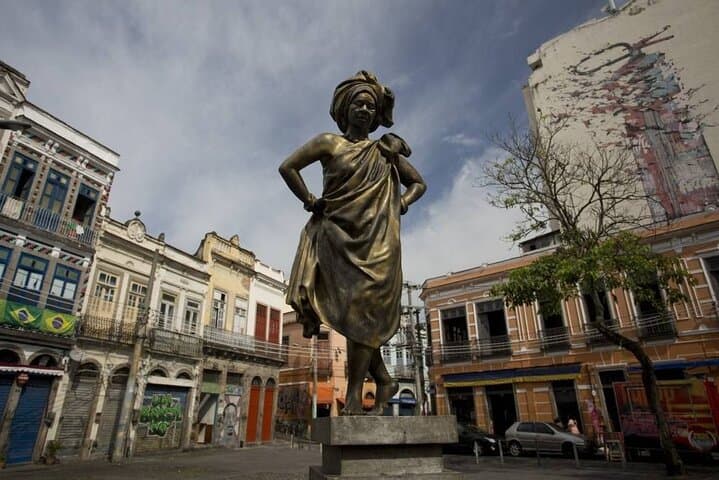
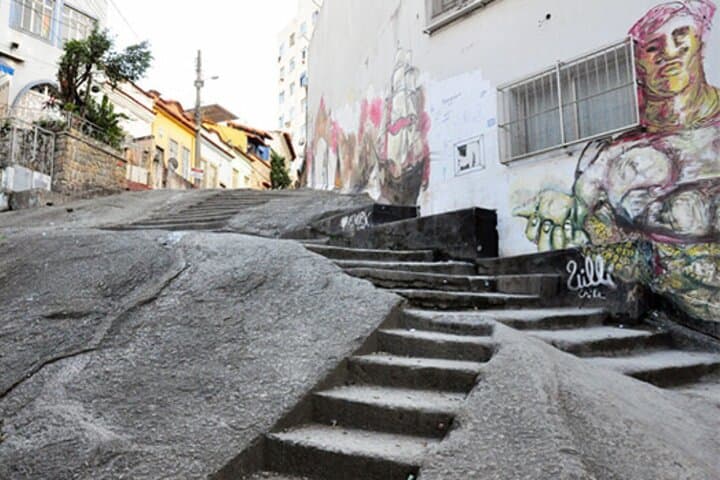
This walk traces the entry point for enslaved Africans who arrived through Cais do Valongo in the 19th century. The quarry stones that built the wharf were carried by the people the port served, and the area later held markets, homes and burial grounds now interpreted at the Instituto dos Pretos Novos. The tour connects those sites with nearby cultural markers like Pedra do Sal, a place of communal memory and samba that grew from the same streets.
Expect mostly flat, paved walking across roughly 2–3 kilometers of city terrain over about four hours, with frequent stops for interpretation and a museum visit. Photography is allowed; guides often point out small plaques, cobbled seams and archival traces in walls—details that reveal layers of urban geology and human labor.
Practicalities matter: bring comfortable shoes, sun protection and a refillable water bottle; ID is required for all participants and infants ride on laps. Pickup from central hotels is included; the operator runs two departures daily and may reschedule if minimum numbers aren’t met. The tone is reflective—many visitors find parts of the itinerary emotional—so allow time after the tour to process and to visit nearby museums or the waterfront for a quieter view.
easy.
4 hours.
Light city walking on paved surfaces; suitable for most fitness levels but expect multiple short standing stops.
Yes—hotel pickup and return are included; confirm your exact pickup point 24 hours before departure.
Children under 4 ride free on a parent’s lap in the vehicle; all children must be accompanied by an adult.
Admission to the Instituto dos Pretos Novos is included as part of the itinerary.
Reduced mobility or wheelchair requests must be informed in advance and are subject to availability; contact the operator when booking.
Cais do Valongo was the principal arrival point for enslaved Africans in 19th-century Rio; the site and its artifacts are central to Brazil’s maritime and social history.
Preservation focuses on protecting archaeological remains and memorials; visitors should follow signage and stay on designated paths to avoid disturbing buried sites.
Rio Carioca Tour Ltda operates guided outdoor trips and adventures with an emphasis on safety, stewardship, and memorable experiences.
You step down from an air-conditioned van into a slice of Rio where the harbor wind and city noise bracket a quieter history. Cobbled alleys lead from the modern port toward low brick warehouses and a small memorial courtyard; the guide’s voice maps human stories onto stone and water as the harbor seems to hold its breath.
You step down from an air-conditioned van into a slice of Rio where the harbor wind and city noise bracket a quieter history. Cobbled alleys lead from the modern port toward low brick warehouses and a small memorial courtyard; the guide’s voice maps human stories onto stone and water as the harbor seems to hold its breath.
This walk traces the entry point for enslaved Africans who arrived through Cais do Valongo in the 19th century. The quarry stones that built the wharf were carried by the people the port served, and the area later held markets, homes and burial grounds now interpreted at the Instituto dos Pretos Novos. The tour connects those sites with nearby cultural markers like Pedra do Sal, a place of communal memory and samba that grew from the same streets.
Expect mostly flat, paved walking across roughly 2–3 kilometers of city terrain over about four hours, with frequent stops for interpretation and a museum visit. Photography is allowed; guides often point out small plaques, cobbled seams and archival traces in walls—details that reveal layers of urban geology and human labor.
Practicalities matter: bring comfortable shoes, sun protection and a refillable water bottle; ID is required for all participants and infants ride on laps. Pickup from central hotels is included; the operator runs two departures daily and may reschedule if minimum numbers aren’t met. The tone is reflective—many visitors find parts of the itinerary emotional—so allow time after the tour to process and to visit nearby museums or the waterfront for a quieter view.