THE ADVENTURE COLLECTIVE® · Independent discovery and booking for outdoor travel

An accessible morning trek from Ella that pairs a short ridge climb to Little Adam’s Peak (1,141 m) with a stroll to the iconic Nine Arch Bridge. Expect tea-field views, colonial railway history, and a compact half-day adventure.
An accessible morning trek from Ella that pairs a short ridge climb to Little Adam’s Peak (1,141 m) with a stroll to the iconic Nine Arch Bridge. Expect tea-field views, colonial railway history, and a compact half-day adventure.
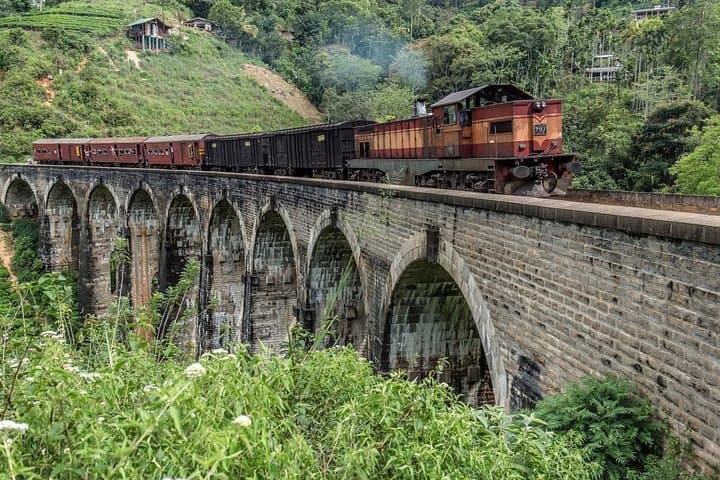
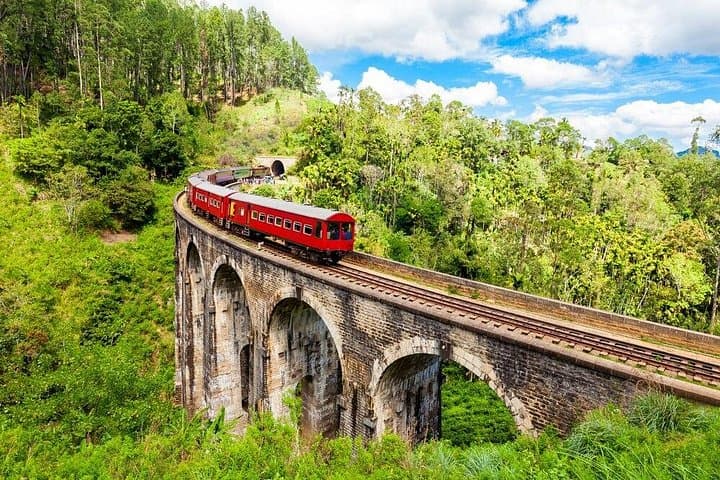
You begin before the heat, when mist lifts from tea bushes and the railway threads the valley like a low voice. The trail to Little Adam’s Peak snakes through manicured tea terraces, patches of woodland and occasional stone steps; the ridge opens suddenly and the highlands drop away in a sweep of green. Nearby, the Nine Arch Bridge sits cool and solid — a British-era viaduct built without steel — its masonry framed by jungle and paddy below.
Verified experiences and guided adventures in the surrounding area.
Operated by Ella Excursions Tours · Ella, Uva Province
You begin before the heat, when mist lifts from tea bushes and the railway threads the valley like a low voice. The trail to Little Adam’s Peak snakes through manicured tea terraces, patches of woodland and occasional stone steps; the ridge opens suddenly and the highlands drop away in a sweep of green. Nearby, the Nine Arch Bridge sits cool and solid — a British-era viaduct built without steel — its masonry framed by jungle and paddy below.
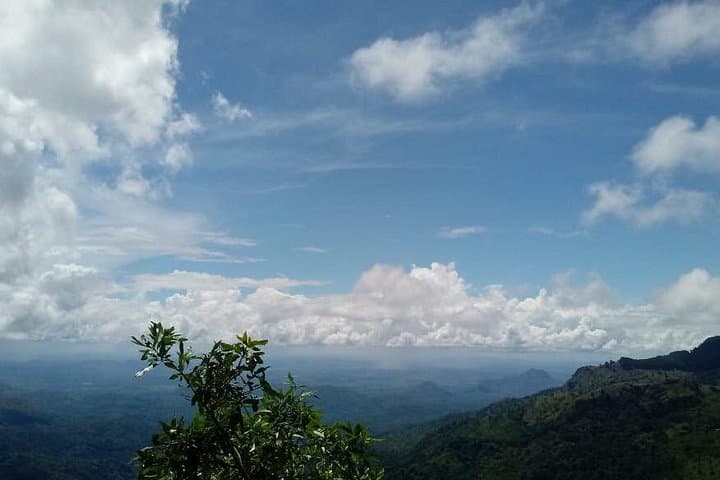
The hike crosses two kinds of history: colonial-era engineering at the Nine Arch Bridge, and the landscape shaped by centuries of tea cultivation. Geologically, you’re on the central highlands, weathered rock and steep ridgelines carved by heavy tropical rains; the summit of Little Adam’s Peak reaches about 1,141 m above sea level, offering panoramic views over valleys and distant peaks.
Culturally, tea pluckers and small rural settlements line the route, and your guide will point out local flora and birds common to the highlands. The Nine Arch Bridge — roughly 91 meters long and about 30 meters high — gains drama when a train whistles through and the bridge vibrates with age and engineering.
Practical guidance: start early for cooler air and clearer views, wear grippy shoes for uneven steps, and bring a lightweight rain layer (sudden showers are common). Expect a moderate pace: roughly 2 km round-trip to the peak with 200–300 m of elevation gain and a separate 40-minute woodland walk to the bridge. Respect the tracks, keep to paths through plantations, and carry a small tour tip for your guide. Transfers, water and snacks are typically included on guided departures, but carry personal essentials for comfort.
moderate.
4–5 hours (tour includes transfers and stops; hike segments ~2 hours).
Moderate fitness—comfortable with steady uphill sections, stairs and uneven footing.
The round-trip hike to the summit takes about 1.5–2 hours on modest terrain; the full tour with the bridge and transfers runs roughly 4–5 hours.
You can walk along sections beside the track and photograph the arches; always stay clear of active tracks and follow your guide’s instructions when a train approaches.
Many families manage the route—paths are relatively forgiving—but anyone with serious mobility issues or spinal problems should avoid it; inform the operator about children and special needs ahead of time.
Yes; this private tour typically includes a qualified guide, pick-up/return transfers, bottled water, snacks and light refreshments.
The Nine Arch Bridge was constructed during the British period using stone, brick and cement without steel; it’s a notable example of colonial-era railway engineering in Sri Lanka.
Tourist traffic and informal crossings strain tracks and plantation edges—stick to paths, avoid littering and support local guides who promote low-impact visitation.
Ella Excursions Tours operates guided outdoor trips and adventures with an emphasis on safety, stewardship, and memorable experiences.
You begin before the heat, when mist lifts from tea bushes and the railway threads the valley like a low voice. The trail to Little Adam’s Peak snakes through manicured tea terraces, patches of woodland and occasional stone steps; the ridge opens suddenly and the highlands drop away in a sweep of green. Nearby, the Nine Arch Bridge sits cool and solid — a British-era viaduct built without steel — its masonry framed by jungle and paddy below.
You begin before the heat, when mist lifts from tea bushes and the railway threads the valley like a low voice. The trail to Little Adam’s Peak snakes through manicured tea terraces, patches of woodland and occasional stone steps; the ridge opens suddenly and the highlands drop away in a sweep of green. Nearby, the Nine Arch Bridge sits cool and solid — a British-era viaduct built without steel — its masonry framed by jungle and paddy below.
The hike crosses two kinds of history: colonial-era engineering at the Nine Arch Bridge, and the landscape shaped by centuries of tea cultivation. Geologically, you’re on the central highlands, weathered rock and steep ridgelines carved by heavy tropical rains; the summit of Little Adam’s Peak reaches about 1,141 m above sea level, offering panoramic views over valleys and distant peaks.
Culturally, tea pluckers and small rural settlements line the route, and your guide will point out local flora and birds common to the highlands. The Nine Arch Bridge — roughly 91 meters long and about 30 meters high — gains drama when a train whistles through and the bridge vibrates with age and engineering.
Practical guidance: start early for cooler air and clearer views, wear grippy shoes for uneven steps, and bring a lightweight rain layer (sudden showers are common). Expect a moderate pace: roughly 2 km round-trip to the peak with 200–300 m of elevation gain and a separate 40-minute woodland walk to the bridge. Respect the tracks, keep to paths through plantations, and carry a small tour tip for your guide. Transfers, water and snacks are typically included on guided departures, but carry personal essentials for comfort.