THE ADVENTURE COLLECTIVE® · Independent discovery and booking for outdoor travel

A focused three-hour guided walk from Rossio to Castelo São Jorge that threads through Alfama’s oldest lanes, includes castle admission and a coffee stop. Perfect for photographers and travelers who want an intimate, paced introduction to Lisbon’s history and views.
A focused three-hour guided walk from Rossio to Castelo São Jorge that threads through Alfama’s oldest lanes, includes castle admission and a coffee stop. Perfect for photographers and travelers who want an intimate, paced introduction to Lisbon’s history and views.
You step out of Rossio Square and the city rearranges itself around you: tram cables sketch lines overhead, the Tagus nudges the light toward the bay, and cobblestones click underfoot as the guide threads you toward Castelo São Jorge.
Verified experiences and guided adventures in the surrounding area.
Operated by Pictours Lisbon · Lisbon, Lisbon
You step out of Rossio Square and the city rearranges itself around you: tram cables sketch lines overhead, the Tagus nudges the light toward the bay, and cobblestones click underfoot as the guide threads you toward Castelo São Jorge.
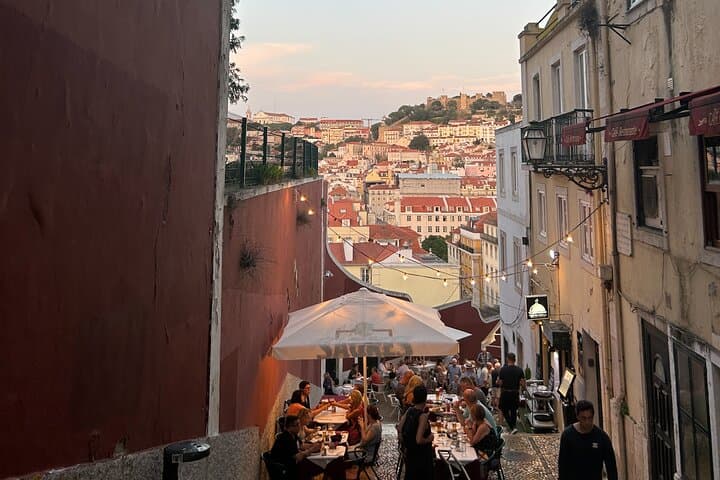
The route follows layers of Lisbon’s past. Rossio has been a gathering place since medieval times; Alfama’s narrow alleys keep echoes of Moorish street plans and survived the 1755 earthquake with scars still visible in tilework and stairways. Castelo São Jorge crowns the hill — a rubble-and-stone chronicle of Roman, Visigothic and Moorish occupation — offering broad viewpoints over terracotta roofs and the river.
Culturally the neighborhood hums with fado houses, small cafés, and neighborhood vendors; the air often carries espresso and baking bread. Geology is subtle: the city sits on soft sediment above older igneous outcrops visible in castle walls and old foundations, shaping steep streets and abrupt viewpoints like Portas do Sol and Santa Luzia.
Practical guidance: this private, three-hour walking tour includes castle admission and a coffee break, but it’s built for uneven surfaces and stairs. Wear grippy shoes, carry water, and plan for sun or sudden Atlantic showers. Morning light is best for photos and cooler walking; late afternoon brings golden color but smaller shadows for tile detail. Check cancellation rules for last-minute changes and confirm language options when you book. Move deliberately through Alfama’s lanes — the neighborhood rewards a slower pace.
moderate.
3 hours.
Moderate fitness: able to handle repeated stair climbs, uneven cobbles and 2–3 miles of walking.
The tour lasts approximately three hours and covers Rossio, Castelo São Jorge and the Alfama viewpoints.
Yes — the tour description lists admission to São Jorge Castle as included.
Parts of the route are stroller-friendly, but expect frequent stairs and uneven cobbles; the operator notes stroller access for infants and small children.
A moderate fitness level is recommended: comfortable with walking, stairs and uneven surfaces for up to three hours.
Alfama is Lisbon’s oldest quarter with roots in Roman and Moorish urban layouts; Castelo São Jorge occupies a strategic hilltop used by successive civilizations.
High foot traffic and short-stay visitors impact neighborhood life—use licensed guides, avoid loud groups late at night, and support small local cafés and shops to keep tourism sustainable.
Pictours Lisbon operates guided outdoor trips and adventures with an emphasis on safety, stewardship, and memorable experiences.
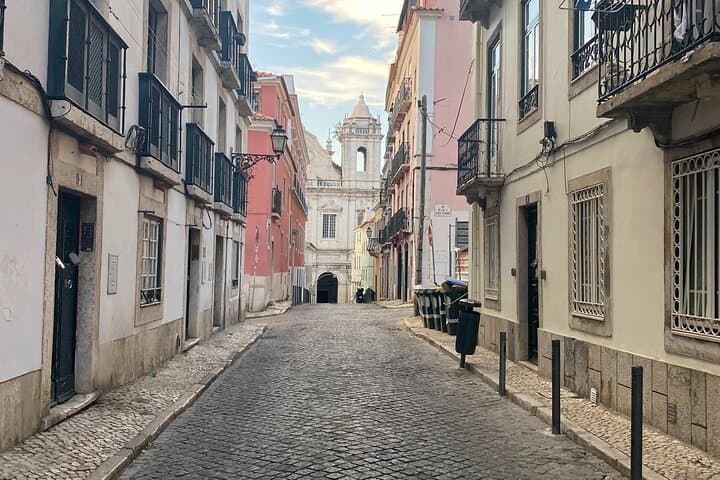
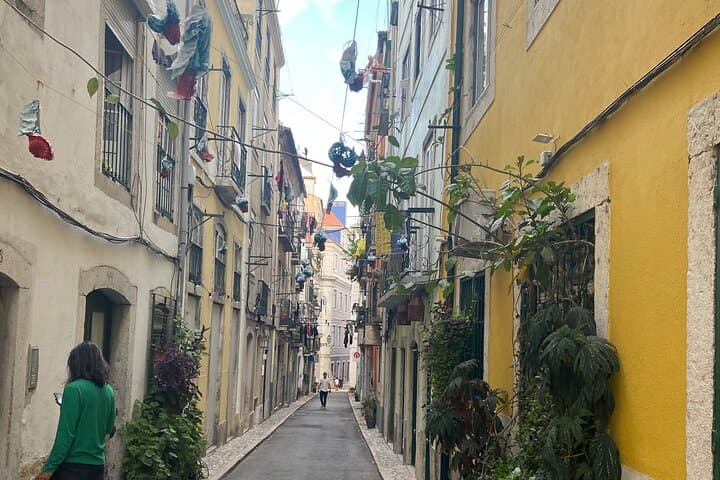
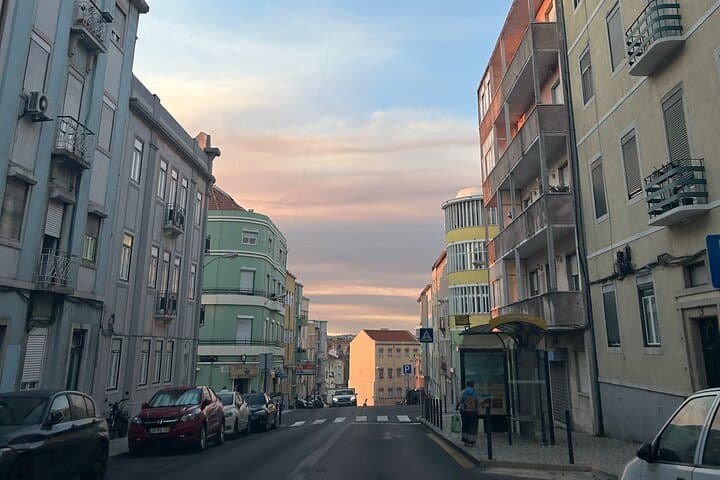
You step out of Rossio Square and the city rearranges itself around you: tram cables sketch lines overhead, the Tagus nudges the light toward the bay, and cobblestones click underfoot as the guide threads you toward Castelo São Jorge.
You step out of Rossio Square and the city rearranges itself around you: tram cables sketch lines overhead, the Tagus nudges the light toward the bay, and cobblestones click underfoot as the guide threads you toward Castelo São Jorge.
The route follows layers of Lisbon’s past. Rossio has been a gathering place since medieval times; Alfama’s narrow alleys keep echoes of Moorish street plans and survived the 1755 earthquake with scars still visible in tilework and stairways. Castelo São Jorge crowns the hill — a rubble-and-stone chronicle of Roman, Visigothic and Moorish occupation — offering broad viewpoints over terracotta roofs and the river.
Culturally the neighborhood hums with fado houses, small cafés, and neighborhood vendors; the air often carries espresso and baking bread. Geology is subtle: the city sits on soft sediment above older igneous outcrops visible in castle walls and old foundations, shaping steep streets and abrupt viewpoints like Portas do Sol and Santa Luzia.
Practical guidance: this private, three-hour walking tour includes castle admission and a coffee break, but it’s built for uneven surfaces and stairs. Wear grippy shoes, carry water, and plan for sun or sudden Atlantic showers. Morning light is best for photos and cooler walking; late afternoon brings golden color but smaller shadows for tile detail. Check cancellation rules for last-minute changes and confirm language options when you book. Move deliberately through Alfama’s lanes — the neighborhood rewards a slower pace.