THE ADVENTURE COLLECTIVE® · Independent discovery and booking for outdoor travel

Slide out from Praça do Comércio on a traditional Portuguese boat as Fado drifts over the water and Setúbal wine is poured freely. This two-hour sunset cruise delivers close-up views of Lisbon’s riverfront monuments with a relaxed, sensory-focused pace.
Slide out from Praça do Comércio on a traditional Portuguese boat as Fado drifts over the water and Setúbal wine is poured freely. This two-hour sunset cruise delivers close-up views of Lisbon’s riverfront monuments with a relaxed, sensory-focused pace.
The Tagus eases you away from Praça do Comércio as the city slides aft: roofs redden, seagulls wheel, and the 25 de Abril bridge looms like a painted threshold. On a traditional Portuguese boat, the river becomes a slow stage — sailors trade local stories, a guitarist edges into Fado, and glasses of Setúbal wine move between passengers while the skyline turns from honey to ink.
Verified experiences and guided adventures in the surrounding area.
Operated by Nosso Tejo, Lda · Lisbon, Lisbon
The Tagus eases you away from Praça do Comércio as the city slides aft: roofs redden, seagulls wheel, and the 25 de Abril bridge looms like a painted threshold. On a traditional Portuguese boat, the river becomes a slow stage — sailors trade local stories, a guitarist edges into Fado, and glasses of Setúbal wine move between passengers while the skyline turns from honey to ink.
This route traces Lisbon’s maritime spine. Centuries of exploration shaped the riverfront: defensive towers and the Monument to the Discoveries mark the Age of Discovery, while Belém’s Manueline stone recalls imperial trade. Geologically the Tagus estuary is a broad ria carved by sea-level rise, its shallow mudflats sheltering birdlife and, occasionally, small dolphins near the mouth.
Culturally the cruise is as much about sound as sight — Fado’s plaintive lines connect waterside neighborhoods like Alfama and the National Pantheon to Portuguese identity. The experience is low-effort but high-sensory: short walks to the dock, steady deck footing, and unobstructed lines of sight to São Jorge Castle, MAAT, and the Palácio da Ajuda.
Practical notes: the two-hour shared cruise departs from the renovated Sul e Sueste pontoon next to Praça do Comércio; arrive 15 minutes early. Wine is included and served freely; bring a light jacket for riverside wind and a small camera or phone with a strap. The trip is suitable for most travelers, including families; service animals are allowed. Expect groups up to ~47 and a relaxed pace optimized for sunset light and photo stops. If weather cancels, operators generally refund with 24-hour notice.
easy.
2 hours.
Suitable for most fitness levels; requires short, level boarding and standing for portions of the cruise
The cruise departs from the renovated Sul e Sueste pontoon adjacent to Praça do Comércio (Terreiro do Paço); arrive 15 minutes early to check in.
Local Setúbal wines are served freely during the cruise; outside alcohol policies vary by operator—ask ahead if you plan to bring your own.
Accessibility can vary by vessel; contact the operator before booking to confirm boarding arrangements and ramp availability.
Trips may be canceled for poor weather; operators typically offer a full refund if canceled at least 24 hours before departure or when weather prevents safe sailing.
The Tagus estuary has been Lisbon’s maritime gateway for centuries; monuments like Belém Tower and the Discoveries Monument mark Portugal’s 15th–16th century Age of Discovery.
The Tagus estuary is ecologically sensitive—avoid littering, listen to crew guidance on wildlife encounters, and support operators that follow local waste and wildlife protection practices.
Nosso Tejo, Lda operates guided outdoor trips and adventures with an emphasis on safety, stewardship, and memorable experiences.
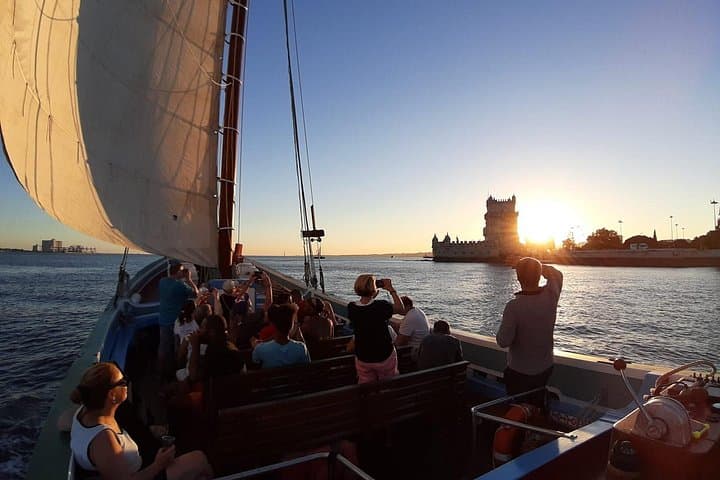
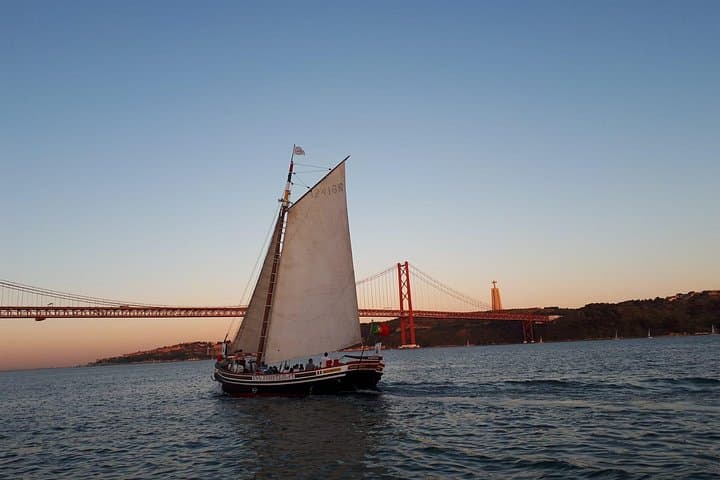
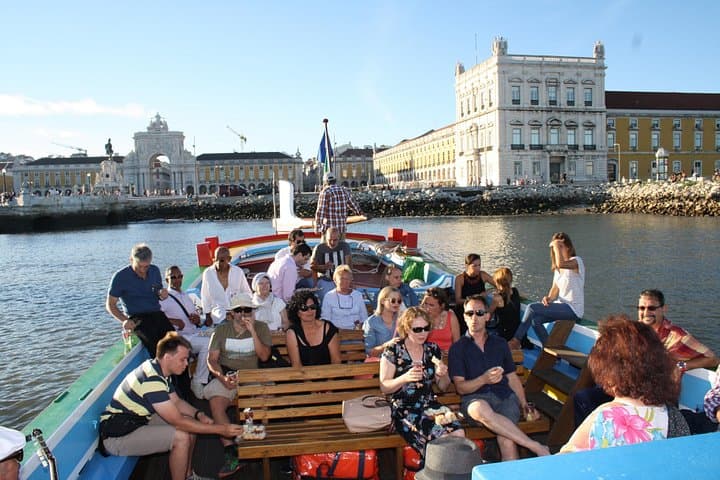
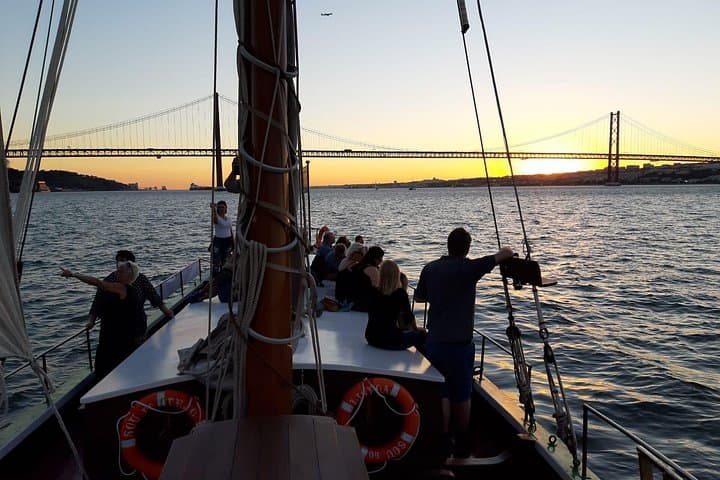
The Tagus eases you away from Praça do Comércio as the city slides aft: roofs redden, seagulls wheel, and the 25 de Abril bridge looms like a painted threshold. On a traditional Portuguese boat, the river becomes a slow stage — sailors trade local stories, a guitarist edges into Fado, and glasses of Setúbal wine move between passengers while the skyline turns from honey to ink.
The Tagus eases you away from Praça do Comércio as the city slides aft: roofs redden, seagulls wheel, and the 25 de Abril bridge looms like a painted threshold. On a traditional Portuguese boat, the river becomes a slow stage — sailors trade local stories, a guitarist edges into Fado, and glasses of Setúbal wine move between passengers while the skyline turns from honey to ink.
This route traces Lisbon’s maritime spine. Centuries of exploration shaped the riverfront: defensive towers and the Monument to the Discoveries mark the Age of Discovery, while Belém’s Manueline stone recalls imperial trade. Geologically the Tagus estuary is a broad ria carved by sea-level rise, its shallow mudflats sheltering birdlife and, occasionally, small dolphins near the mouth.
Culturally the cruise is as much about sound as sight — Fado’s plaintive lines connect waterside neighborhoods like Alfama and the National Pantheon to Portuguese identity. The experience is low-effort but high-sensory: short walks to the dock, steady deck footing, and unobstructed lines of sight to São Jorge Castle, MAAT, and the Palácio da Ajuda.
Practical notes: the two-hour shared cruise departs from the renovated Sul e Sueste pontoon next to Praça do Comércio; arrive 15 minutes early. Wine is included and served freely; bring a light jacket for riverside wind and a small camera or phone with a strap. The trip is suitable for most travelers, including families; service animals are allowed. Expect groups up to ~47 and a relaxed pace optimized for sunset light and photo stops. If weather cancels, operators generally refund with 24-hour notice.