THE ADVENTURE COLLECTIVE® · Independent discovery and booking for outdoor travel

Drive from Lisbon into the Sintra hills, step into the Romantic grandeur of Pena Palace, descend to the symbolic gardens of Quinta da Regaleira, then stand at Europe’s edge at Cabo da Roca before lunching in Cascais. This one-day circuit packs geology, history and ocean views into a single, accessible route.
Drive from Lisbon into the Sintra hills, step into the Romantic grandeur of Pena Palace, descend to the symbolic gardens of Quinta da Regaleira, then stand at Europe’s edge at Cabo da Roca before lunching in Cascais. This one-day circuit packs geology, history and ocean views into a single, accessible route.
A low fog breaks over the Atlantic as the minivan pulls out of central Lisbon and the city’s flat tile roofs give way to steep, forested slopes. In a single day the route moves from urban plazas to the mossy stone of a Romantic palace and then to the raw cliffs of Europe’s westernmost point. The sensation is kinetic: ocean wind pushing forward, pines leaning toward the coast, cobbles that make you walk slower and look closer.
Verified experiences and guided adventures in the surrounding area.
Operated by Vision Tours Portugal · Sintra, Lisbon
A low fog breaks over the Atlantic as the minivan pulls out of central Lisbon and the city’s flat tile roofs give way to steep, forested slopes. In a single day the route moves from urban plazas to the mossy stone of a Romantic palace and then to the raw cliffs of Europe’s westernmost point. The sensation is kinetic: ocean wind pushing forward, pines leaning toward the coast, cobbles that make you walk slower and look closer.
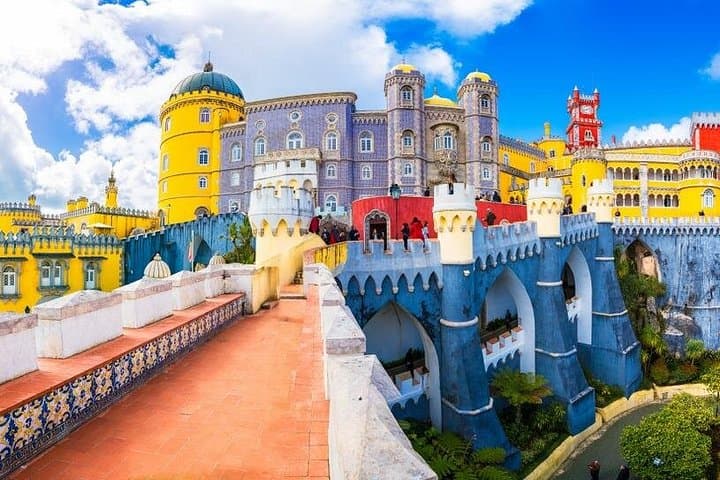
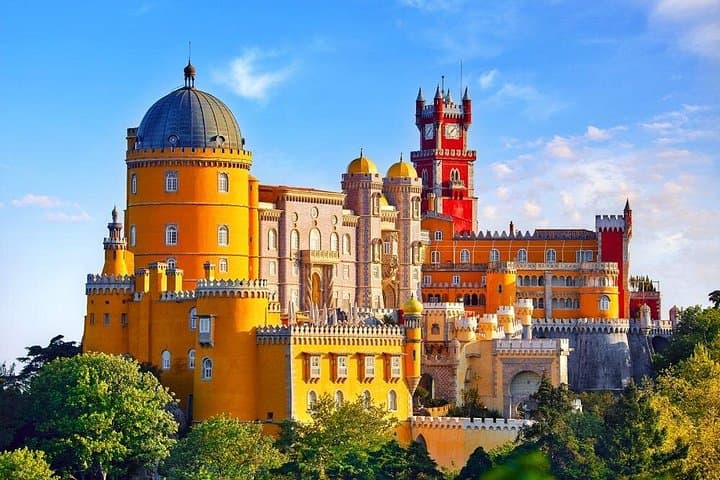
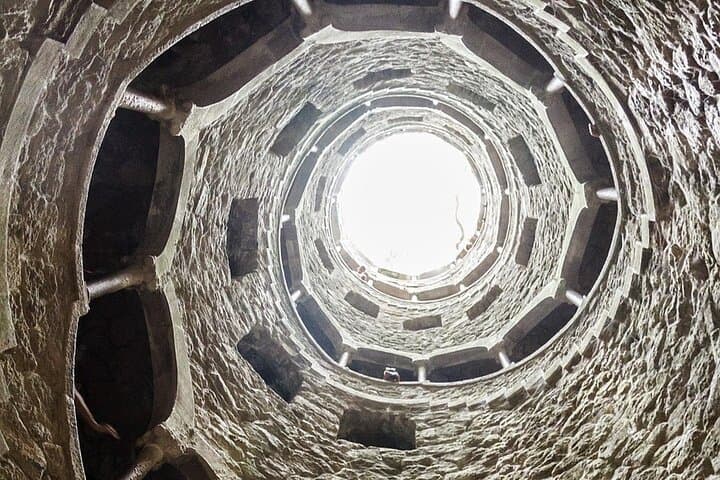
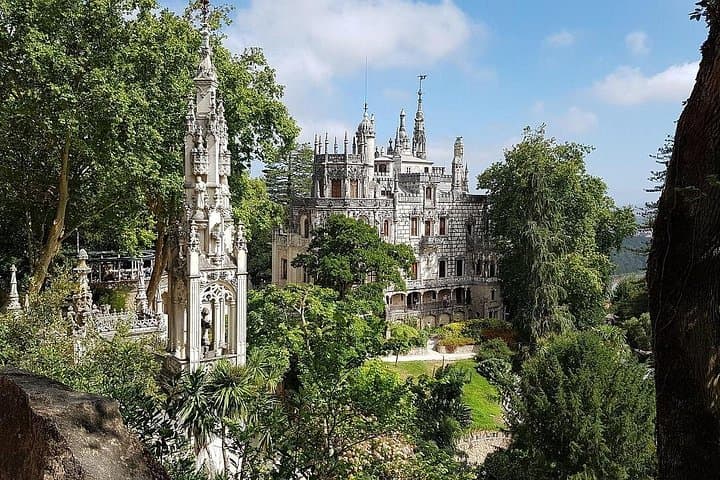
Sintra’s core grew wealthy as an aristocratic retreat in the 19th century; its palaces are a product of Romantic-era taste and Portugal’s imperial era. Pena Palace perches roughly 400–550 m above sea level on granitic terrain, its terraces offering panoramic views across the Sintra Mountains. Quinta da Regaleira presents a different layer: initiated gardens, man-made wells and symbolic architecture carved into the landscape. Along the coast, Cabo da Roca’s cliffs drop dramatically to the Atlantic—expect sharp sea spray and persistent wind—and Guincho’s dunes and surf reveal the power that shaped this shoreline.
Practically, this is an 8–9 hour, vehicle-led circuit with multiple short walks: expect 1–3 km of walking at each stop, uneven cobbles, and stair climbs of 100–200 vertical metres at Pena. Wear grippy shoes, bring windproof layers and a full water bottle. Arrive prepared for crowds at peak season—early starts reduce congestion—and carry a small daypack for camera gear and snacks. This itinerary suits travelers who want concentrated cultural and coastal scenery without the logistics of independent travel.
easy.
8–9 hours.
Light fitness required—able to walk several 1–3 km loops on uneven cobbles and climb 100–200 m of stairs at Pena.
This full-day tour provides access to both main sites with prioritized entry: Pena Palace is visited self-guided and Quinta da Regaleira includes a guided visit, allowing you to spend more time inside each estate.
Expect multiple short walks of 1–3 km per stop on uneven, often steep cobbles and stairs; overall walking distance for the day is moderate with intermittent standing during viewpoints.
Transport and portions of the itinerary are wheelchair accessible, but historic sites like Pena and Regaleira contain steps and uneven ground that can limit full access—check with the operator for specific accommodations.
Bring only a small daypack; large luggage is not practical for onsite movement and is best left at your Lisbon accommodation or hotel storage.
Sintra became a Romantic-era retreat in the 19th century; Pena Palace was built under King Ferdinand II and the area later gained UNESCO recognition for its landscape and architecture.
Sintra-Cascais is a protected natural park—stay on marked paths, avoid trampling vegetation, and support local guides who follow park regulations.
Vision Tours Portugal operates guided outdoor trips and adventures with an emphasis on safety, stewardship, and memorable experiences.
A low fog breaks over the Atlantic as the minivan pulls out of central Lisbon and the city’s flat tile roofs give way to steep, forested slopes. In a single day the route moves from urban plazas to the mossy stone of a Romantic palace and then to the raw cliffs of Europe’s westernmost point. The sensation is kinetic: ocean wind pushing forward, pines leaning toward the coast, cobbles that make you walk slower and look closer.
A low fog breaks over the Atlantic as the minivan pulls out of central Lisbon and the city’s flat tile roofs give way to steep, forested slopes. In a single day the route moves from urban plazas to the mossy stone of a Romantic palace and then to the raw cliffs of Europe’s westernmost point. The sensation is kinetic: ocean wind pushing forward, pines leaning toward the coast, cobbles that make you walk slower and look closer.
Sintra’s core grew wealthy as an aristocratic retreat in the 19th century; its palaces are a product of Romantic-era taste and Portugal’s imperial era. Pena Palace perches roughly 400–550 m above sea level on granitic terrain, its terraces offering panoramic views across the Sintra Mountains. Quinta da Regaleira presents a different layer: initiated gardens, man-made wells and symbolic architecture carved into the landscape. Along the coast, Cabo da Roca’s cliffs drop dramatically to the Atlantic—expect sharp sea spray and persistent wind—and Guincho’s dunes and surf reveal the power that shaped this shoreline.
Practically, this is an 8–9 hour, vehicle-led circuit with multiple short walks: expect 1–3 km of walking at each stop, uneven cobbles, and stair climbs of 100–200 vertical metres at Pena. Wear grippy shoes, bring windproof layers and a full water bottle. Arrive prepared for crowds at peak season—early starts reduce congestion—and carry a small daypack for camera gear and snacks. This itinerary suits travelers who want concentrated cultural and coastal scenery without the logistics of independent travel.