THE ADVENTURE COLLECTIVE® · Independent discovery and booking for outdoor travel

A 16-day blend of Portugal’s historic cities and the final stages of the Camino Portugués into Santiago de Compostela. Expect monastery visits, Douro vineyards, coastal viewpoints and consecutive walking days of 15–24 km.
A 16-day blend of Portugal’s historic cities and the final stages of the Camino Portugués into Santiago de Compostela. Expect monastery visits, Douro vineyards, coastal viewpoints and consecutive walking days of 15–24 km.
You step out of a Lisbon hotel into the cool morning light, cobbles underfoot and the Tagus river pulling your attention toward a horizon shaped by centuries of sea voyages. Over the next 16 days the route peels away from city plazas and Manueline stone into olive groves, Cistercian monasteries, and the green rise-and-fall of Galicia’s Camino trails—each day a measured walk between living towns and layered histories.
Verified experiences and guided adventures in the surrounding area.
Operated by BeCool Travel · Lisbon, Lisbon
You step out of a Lisbon hotel into the cool morning light, cobbles underfoot and the Tagus river pulling your attention toward a horizon shaped by centuries of sea voyages. Over the next 16 days the route peels away from city plazas and Manueline stone into olive groves, Cistercian monasteries, and the green rise-and-fall of Galicia’s Camino trails—each day a measured walk between living towns and layered histories.
This itinerary blends guided sightseeing—Belém’s Jerónimos, the Gothic sweep of Batalha, Tomar’s Convent of Christ—with a multi-day stretch of the Camino Portugués. You’ll pass medieval bridges, Romanesque cathedrals and coastal viewpoints near Nazaré, and cruise the Douro with port-lodge tastings in Porto. Geology shifts from Lisbon’s limestone terraces to the granite and schist hills of northern Portugal and Galicia; soils support vineyards, eucalyptus stands and native oak woods that shade many stages.
Culturally, expect Fado in Porto, pilgrim rituals in Tui and Santiago, and local gastronomy from vinho verde to Tarta de Santiago. History is visible—Templar architecture, monastic austerity and maritime monuments—while modern life hums in market squares.
Practical guidance: daily walking averages 15–24 km with stage ascents generally below 350 m but expect uneven country lanes, cobbles and short climbs. Bring broken-in hiking footwear, layered rain protection, a 20–30L daypack and basic first-aid. Start walks early to avoid afternoon heat or crowds, carry water and a small amount of cash for village cafes, and register your Pilgrim passport at albergues or town offices if you want the Compostela in Santiago. Fitness-wise, be prepared for consecutive walking days; this is a demanding but deeply rewarding cultural and walking tour.
challenging.
16 days.
Should be in good aerobic condition with experience doing back-to-back hiking days; comfortable walking 4–7 hours daily.
No—the tour combines cultural sightseeing with Camino stages; you can participate in walks without registering as a religious pilgrim, though you may collect a Pilgrim passport if you wish.
Daily stages typically range from 15 to 24 km, with walking times of roughly 4–6.5 hours depending on the day and terrain.
The program notes that transports to walks and activities are included as outlined; confirm with the operator whether door-to-door luggage transfer is included for all walking days.
Travelers should be in good physical shape for consecutive walking days and able to handle short climbs up to ~325 m and uneven surfaces.
The route links Portugal’s Age of Discoveries monuments and Templar sites with the medieval pilgrimage roads into Santiago—places shaped by religious orders, maritime wealth and cross-border trade.
Foot traffic concentrates on narrow trails and village approaches—stay on marked paths, use local facilities and avoid single-use plastics to reduce impact; support local cooperatives and small lodgings.
BeCool Travel operates guided outdoor trips and adventures with an emphasis on safety, stewardship, and memorable experiences.
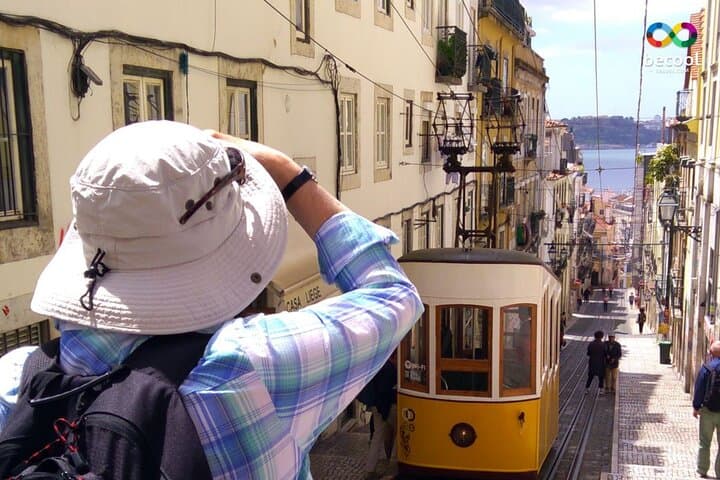
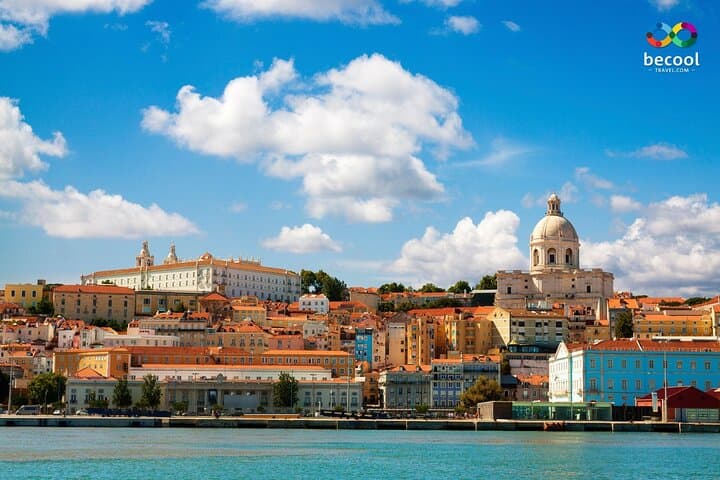
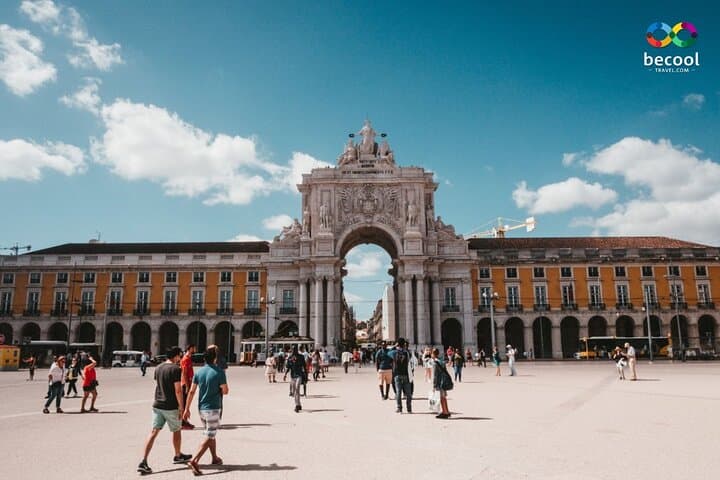
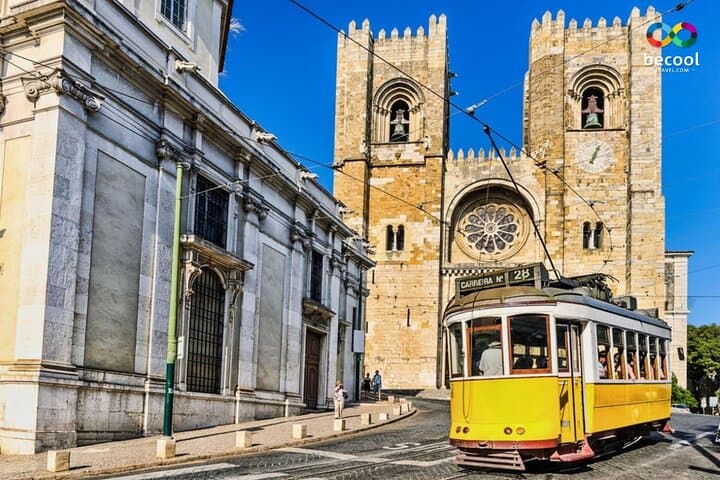
You step out of a Lisbon hotel into the cool morning light, cobbles underfoot and the Tagus river pulling your attention toward a horizon shaped by centuries of sea voyages. Over the next 16 days the route peels away from city plazas and Manueline stone into olive groves, Cistercian monasteries, and the green rise-and-fall of Galicia’s Camino trails—each day a measured walk between living towns and layered histories.
You step out of a Lisbon hotel into the cool morning light, cobbles underfoot and the Tagus river pulling your attention toward a horizon shaped by centuries of sea voyages. Over the next 16 days the route peels away from city plazas and Manueline stone into olive groves, Cistercian monasteries, and the green rise-and-fall of Galicia’s Camino trails—each day a measured walk between living towns and layered histories.
This itinerary blends guided sightseeing—Belém’s Jerónimos, the Gothic sweep of Batalha, Tomar’s Convent of Christ—with a multi-day stretch of the Camino Portugués. You’ll pass medieval bridges, Romanesque cathedrals and coastal viewpoints near Nazaré, and cruise the Douro with port-lodge tastings in Porto. Geology shifts from Lisbon’s limestone terraces to the granite and schist hills of northern Portugal and Galicia; soils support vineyards, eucalyptus stands and native oak woods that shade many stages.
Culturally, expect Fado in Porto, pilgrim rituals in Tui and Santiago, and local gastronomy from vinho verde to Tarta de Santiago. History is visible—Templar architecture, monastic austerity and maritime monuments—while modern life hums in market squares.
Practical guidance: daily walking averages 15–24 km with stage ascents generally below 350 m but expect uneven country lanes, cobbles and short climbs. Bring broken-in hiking footwear, layered rain protection, a 20–30L daypack and basic first-aid. Start walks early to avoid afternoon heat or crowds, carry water and a small amount of cash for village cafes, and register your Pilgrim passport at albergues or town offices if you want the Compostela in Santiago. Fitness-wise, be prepared for consecutive walking days; this is a demanding but deeply rewarding cultural and walking tour.