THE ADVENTURE COLLECTIVE® · Independent discovery and booking for outdoor travel

A full-day drive from Lisbon to Porto that stitches together the Tagus river castles, Tomar’s Templar convent, and the academic streets of Coimbra. Expect a mix of short hikes, historic interiors, and scenic river views packed into an eight-hour route.
A full-day drive from Lisbon to Porto that stitches together the Tagus river castles, Tomar’s Templar convent, and the academic streets of Coimbra. Expect a mix of short hikes, historic interiors, and scenic river views packed into an eight-hour route.
You leave Lisbon before the city fully wakes, the Tagus still throwing cool light across the highway as the van threads north. The road unspools through cork and olive groves; every hour brings a new cut of Portugal’s center — river bends that dare you to linger, low limestone ridges, and villages with tiled roofs.
Verified experiences and guided adventures in the surrounding area.
Operated by Pipefly · Tomar, Santarém
You leave Lisbon before the city fully wakes, the Tagus still throwing cool light across the highway as the van threads north. The road unspools through cork and olive groves; every hour brings a new cut of Portugal’s center — river bends that dare you to linger, low limestone ridges, and villages with tiled roofs.
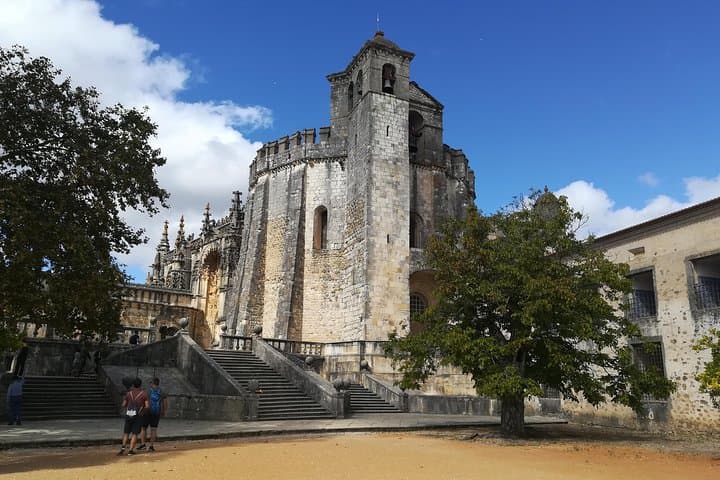
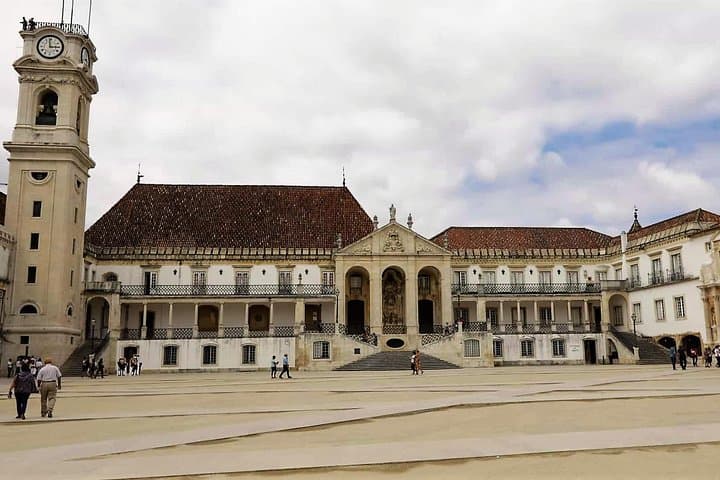
First stop: the island-like silhouette of Almourol, a medieval keep planted in the Tagus. Its stonework and setting recall the Reconquista and riverine defenses. At Tomar the Convent of Christ unfolds — a 12th-century Templar stronghold reshaped over centuries — where Manueline carvings meet austere cloisters. Coimbra closes the day with university steps, the gilded Joanine Library, and streets that remember students and scholars dating back to the Middle Ages.
Geology here is modest but legible: the Tagus valley cuts through schist and limestone, shaping a landscape of terraces and riverine wetlands that supported settlements for millennia. Culturally expect hearty regional cuisine, brief fado refrains in taverns, and centuries-old academic rituals in Coimbra.
Practical guidance: it’s a long but relaxed day — most time is on the road with multiple short walks and guided stops. Bring comfortable walking shoes, a refillable water bottle, and a light layer against wind on river overlooks. Timings are tight for inside visits; buy entrance tickets in advance if possible and carry a small daypack for snacks, camera, and sunscreen. Expect easy walking but uneven stone floors in historic sites, and plan for minimal free time in each town.
easy.
8 hours.
Minimal fitness required; able to walk short distances and climb stairs at historical sites.
Yes — most tours include pickup from central Lisbon hotels or designated meeting points; confirm exact pickup location when booking.
Standard listings often do not include site admissions; check the tour details and be prepared to pay for Convent of Christ and João Biblioteca entry if not covered.
The vehicle transport is family-friendly, but castles and historic centers have stairs and cobbles; strollers may be impractical inside sites.
Yes — this is a one-way transfer that ends with drop-off in Porto as stated in the itinerary.
Tomar’s Convent of Christ began as a 12th-century Templar headquarters and later became a royal and religious complex; Coimbra hosts one of Europe’s oldest universities, with roots in the 13th century.
Riverbanks and riparian habitats along the Tagus are sensitive; stick to paths, avoid littering, and use local guides who support site preservation.
Pipefly operates guided outdoor trips and adventures with an emphasis on safety, stewardship, and memorable experiences.

You leave Lisbon before the city fully wakes, the Tagus still throwing cool light across the highway as the van threads north. The road unspools through cork and olive groves; every hour brings a new cut of Portugal’s center — river bends that dare you to linger, low limestone ridges, and villages with tiled roofs.
You leave Lisbon before the city fully wakes, the Tagus still throwing cool light across the highway as the van threads north. The road unspools through cork and olive groves; every hour brings a new cut of Portugal’s center — river bends that dare you to linger, low limestone ridges, and villages with tiled roofs.
First stop: the island-like silhouette of Almourol, a medieval keep planted in the Tagus. Its stonework and setting recall the Reconquista and riverine defenses. At Tomar the Convent of Christ unfolds — a 12th-century Templar stronghold reshaped over centuries — where Manueline carvings meet austere cloisters. Coimbra closes the day with university steps, the gilded Joanine Library, and streets that remember students and scholars dating back to the Middle Ages.
Geology here is modest but legible: the Tagus valley cuts through schist and limestone, shaping a landscape of terraces and riverine wetlands that supported settlements for millennia. Culturally expect hearty regional cuisine, brief fado refrains in taverns, and centuries-old academic rituals in Coimbra.
Practical guidance: it’s a long but relaxed day — most time is on the road with multiple short walks and guided stops. Bring comfortable walking shoes, a refillable water bottle, and a light layer against wind on river overlooks. Timings are tight for inside visits; buy entrance tickets in advance if possible and carry a small daypack for snacks, camera, and sunscreen. Expect easy walking but uneven stone floors in historic sites, and plan for minimal free time in each town.