THE ADVENTURE COLLECTIVE® · Independent discovery and booking for outdoor travel

Leave Lisbon for Ribatejo on a private half‑day that pairs hands‑on encounters with Lusitano horses and a visit to the Carlos Relvas studio. Ideal for travelers who want equestrian culture, local history, and a manageable countryside outing.
Leave Lisbon for Ribatejo on a private half‑day that pairs hands‑on encounters with Lusitano horses and a visit to the Carlos Relvas studio. Ideal for travelers who want equestrian culture, local history, and a manageable countryside outing.
The road slides out of Lisbon and into the flat, cultivated plains of Ribatejo—olive rows and irrigated fields pass like pages as you head toward Golegã, the town that lives and breathes the Lusitano horse.
Verified experiences and guided adventures in the surrounding area.
Operated by ARR, Tours · Lisbon, Lisbon
The road slides out of Lisbon and into the flat, cultivated plains of Ribatejo—olive rows and irrigated fields pass like pages as you head toward Golegã, the town that lives and breathes the Lusitano horse.
Arrive at a working stud farm where hooves click on packed earth and handlers guide you through stables and paddocks. The horses are proud and responsive; with staff assistance you can groom, lead, and, if arranged ahead, ride under supervision. The estate’s operations—hay fields, tack rooms, and breeding pens—offer a clear view of traditional Portuguese equine husbandry.
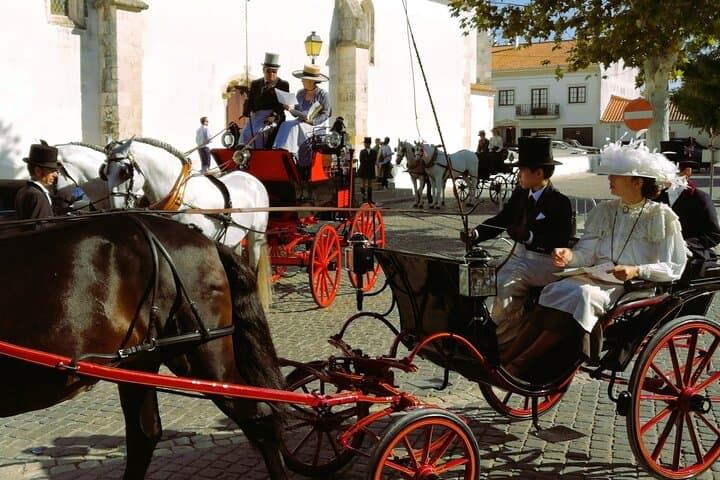
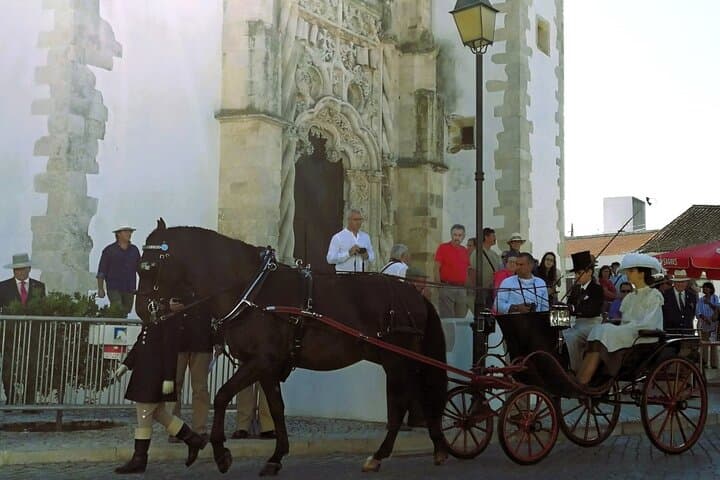
A short drive brings you to Casa-Estúdio Carlos Relvas, a 19th‑century architect’s house-atelier that reveals early photographic practice and local landed gentry culture. Golegã’s Church Matriz and Largo do Arneiro reflect the region’s religious and civic life and its long association with equestrian fairs like the Festa do Cavalo.
Expect mostly easy walking on compacted farm tracks and village streets, with opportunities for hands-on interaction rather than strenuous activity. Bring water and sun protection for outdoor stables; closed-toe shoes are recommended around animals. The guide-driven private transfer keeps the day efficient—ideal if you want an immersive taste of Ribatejo without a long drive.
Practical tip: confirm any riding in advance, and ask about age or weight limits. Plan this half-day as a cultural-and-nature combo—history, local life, and a close-up encounter with one of Portugal’s most storied horse breeds.
easy.
5 hours.
Suitable for most fitness levels—mostly vehicle-based with short, easy walks on farms and village streets.
No—basic supervised riding can be arranged but must be requested in advance; handlers will assess suitability and set limits.
Yes—private round-trip transport from Lisbon is included in the tour duration and price.
The tour notes wheelchair accessibility for transport and many areas, but contact the operator to confirm specific needs at the farm and museum stops.
Children are welcome; age and activity restrictions (especially for riding) may apply—provide ages when booking.
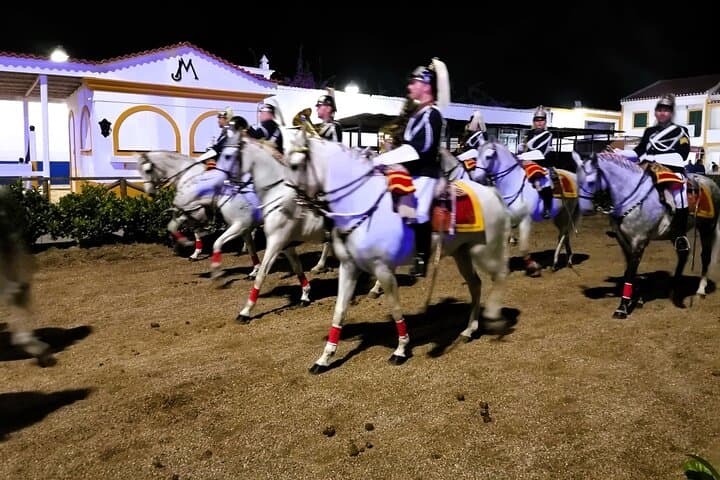
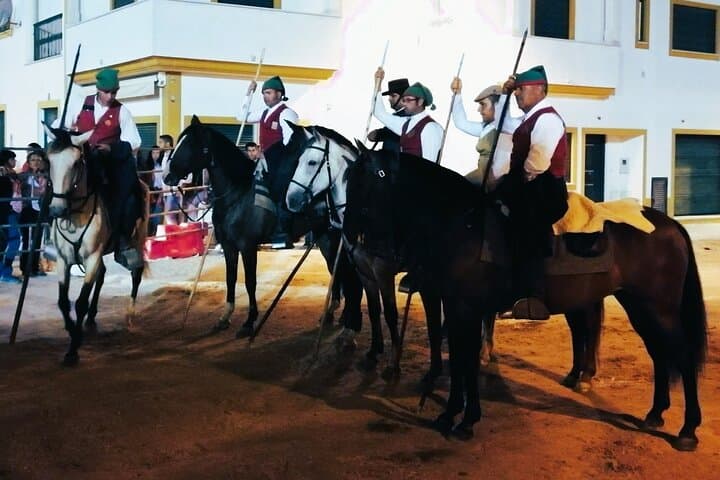
Golegã’s identity as the ‘Capital of the Lusitano’ grew from 19th‑century breeding programs and regular horse fairs that shaped local economy and culture.
Breeding programs balance tradition with modern welfare standards; visitors should follow biosecurity and feeding rules to reduce stress on animals and protect local ecology.
ARR, Tours operates guided outdoor trips and adventures with an emphasis on safety, stewardship, and memorable experiences.
The road slides out of Lisbon and into the flat, cultivated plains of Ribatejo—olive rows and irrigated fields pass like pages as you head toward Golegã, the town that lives and breathes the Lusitano horse.
The road slides out of Lisbon and into the flat, cultivated plains of Ribatejo—olive rows and irrigated fields pass like pages as you head toward Golegã, the town that lives and breathes the Lusitano horse.
Arrive at a working stud farm where hooves click on packed earth and handlers guide you through stables and paddocks. The horses are proud and responsive; with staff assistance you can groom, lead, and, if arranged ahead, ride under supervision. The estate’s operations—hay fields, tack rooms, and breeding pens—offer a clear view of traditional Portuguese equine husbandry.
A short drive brings you to Casa-Estúdio Carlos Relvas, a 19th‑century architect’s house-atelier that reveals early photographic practice and local landed gentry culture. Golegã’s Church Matriz and Largo do Arneiro reflect the region’s religious and civic life and its long association with equestrian fairs like the Festa do Cavalo.
Expect mostly easy walking on compacted farm tracks and village streets, with opportunities for hands-on interaction rather than strenuous activity. Bring water and sun protection for outdoor stables; closed-toe shoes are recommended around animals. The guide-driven private transfer keeps the day efficient—ideal if you want an immersive taste of Ribatejo without a long drive.
Practical tip: confirm any riding in advance, and ask about age or weight limits. Plan this half-day as a cultural-and-nature combo—history, local life, and a close-up encounter with one of Portugal’s most storied horse breeds.