THE ADVENTURE COLLECTIVE® · Independent discovery and booking for outdoor travel

Walk Lisbon through its tiles: a private, eight‑hour exploration from 16th‑century panels to 19th‑century façades. Expect viewpoints, historic churches, and unexpected neighborhood stories ending with a local codfish snack.
Walk Lisbon through its tiles: a private, eight‑hour exploration from 16th‑century panels to 19th‑century façades. Expect viewpoints, historic churches, and unexpected neighborhood stories ending with a local codfish snack.
The morning light slips across the Tagus and turns Lisbon's facades into a patchwork of blue and white. You step off the pavement and the city begins to speak in ceramic: geometric stars, baroque panels, discreet Masonic symbols — each tile a line in a long conversation about who lived here and why.
Verified experiences and guided adventures in the surrounding area.
Operated by LUXURY DRIVER · Lisbon, Lisboa
The morning light slips across the Tagus and turns Lisbon's facades into a patchwork of blue and white. You step off the pavement and the city begins to speak in ceramic: geometric stars, baroque panels, discreet Masonic symbols — each tile a line in a long conversation about who lived here and why.
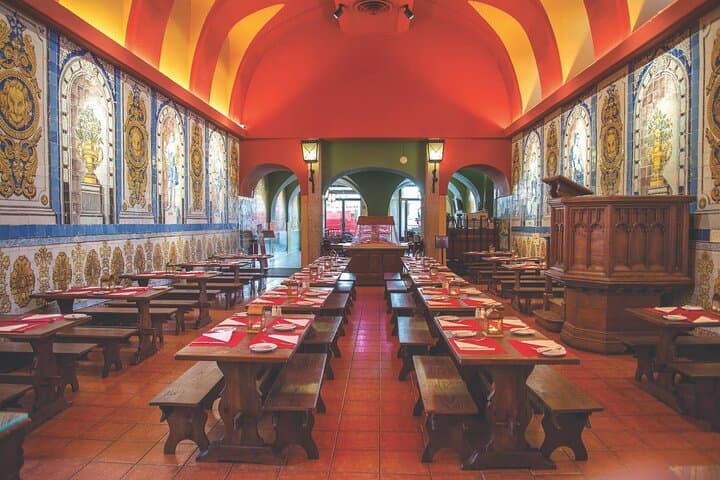
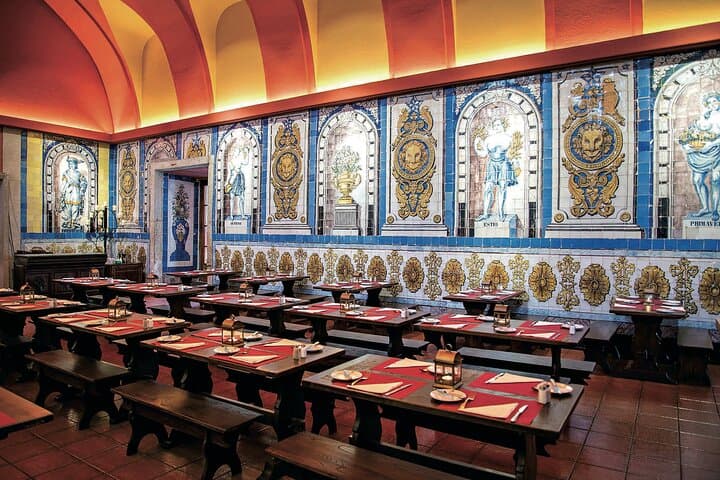
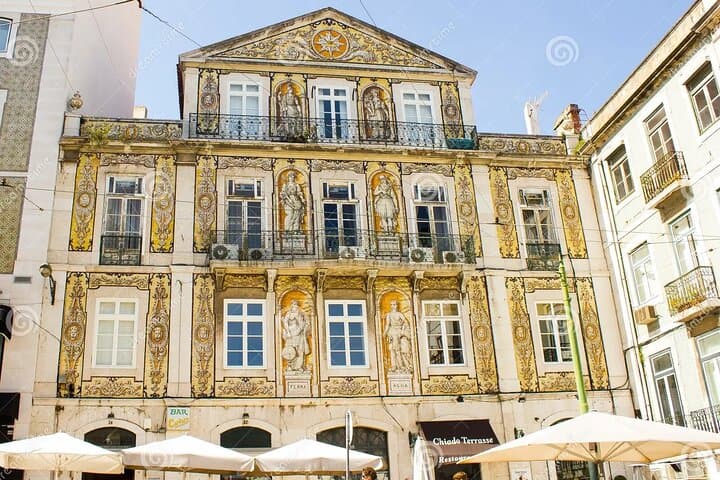
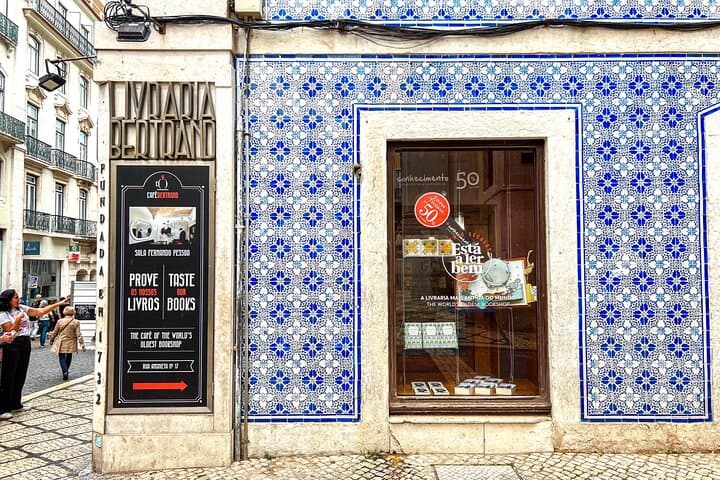
This private, mostly-outdoor tour traces azulejo production from the 16th century to contemporary street artworks. Start at an aristocratic 19th-century house with Moorish-influenced decoration, ride the historic funicular to Santana Hill for a sweeping city view, then move through churches that host the earliest blue-and-white paintings and signed 16th-century panels. The route threads past a 19th-century brewery-clad façade, the ornate exterior of the world’s oldest operating bookstore, and a former factory turned showroom.
Azulejos arrived via Iberian and Moorish techniques, evolved through Renaissance and Baroque narratives, and later embraced industrial-scale production in the 19th century. The tour ties those shifts to Lisbon’s urban development, the book trade, and neighborhood stories — and finishes with a codfish cake to taste a local flavor.
Practical advice: expect mostly flat city walking on cobbles and sidewalks, periodic stair climbs at viewpoints, and stops that include both free views and some paid admissions. Comfortable footwear, sun protection, and a camera are useful; guides typically provide historical context and can adapt the pace. If you plan to photograph interiors, check ahead for any chapel or bookstore restrictions. This is a deep urban walk that rewards attention — the tiles will make you look twice.
easy.
8 hours.
Suitable for most fitness levels; requires steady walking on urban pavements and occasional stairs.
The itinerary is approximately 8 hours (full-day), including transport, multiple stops, and a tasting at the end.
Yes — the tour lists private, air-conditioned transportation with onboard WiFi for parts of the route.
Infants and small children can use strollers; specialized infant seats are available but the route includes stairs and some uneven surfaces.
Several admissions are included, but the guide will confirm which specific sites on the day require a ticket or additional fee.
Azulejos in Portugal trace back to 16th‑century Moorish and Iberian techniques; by the 18th and 19th centuries tile panels became a dominant public art form narrating religion, commerce, and civic identity.
Many facades and panels require ongoing conservation; avoid touching tiles, and support preservation by following site rules and contributing to museum or workshop donations when offered.
LUXURY DRIVER operates guided outdoor trips and adventures with an emphasis on safety, stewardship, and memorable experiences.
The morning light slips across the Tagus and turns Lisbon's facades into a patchwork of blue and white. You step off the pavement and the city begins to speak in ceramic: geometric stars, baroque panels, discreet Masonic symbols — each tile a line in a long conversation about who lived here and why.
The morning light slips across the Tagus and turns Lisbon's facades into a patchwork of blue and white. You step off the pavement and the city begins to speak in ceramic: geometric stars, baroque panels, discreet Masonic symbols — each tile a line in a long conversation about who lived here and why.
This private, mostly-outdoor tour traces azulejo production from the 16th century to contemporary street artworks. Start at an aristocratic 19th-century house with Moorish-influenced decoration, ride the historic funicular to Santana Hill for a sweeping city view, then move through churches that host the earliest blue-and-white paintings and signed 16th-century panels. The route threads past a 19th-century brewery-clad façade, the ornate exterior of the world’s oldest operating bookstore, and a former factory turned showroom.
Azulejos arrived via Iberian and Moorish techniques, evolved through Renaissance and Baroque narratives, and later embraced industrial-scale production in the 19th century. The tour ties those shifts to Lisbon’s urban development, the book trade, and neighborhood stories — and finishes with a codfish cake to taste a local flavor.
Practical advice: expect mostly flat city walking on cobbles and sidewalks, periodic stair climbs at viewpoints, and stops that include both free views and some paid admissions. Comfortable footwear, sun protection, and a camera are useful; guides typically provide historical context and can adapt the pace. If you plan to photograph interiors, check ahead for any chapel or bookstore restrictions. This is a deep urban walk that rewards attention — the tiles will make you look twice.