THE ADVENTURE COLLECTIVE® · Independent discovery and booking for outdoor travel

Spend a day painting traditional azulejos, wandering a historic market, and tasting wines beneath the Arrábida ridge. This 7–8 hour trip pairs hands-on craft with coastal geology and family-run cellars.
Spend a day painting traditional azulejos, wandering a historic market, and tasting wines beneath the Arrábida ridge. This 7–8 hour trip pairs hands-on craft with coastal geology and family-run cellars.
A morning begins in Lisbon with a quiet car folding out of the city and climbing toward the Arrábida hills; the road opens to sea-scrub slopes and sudden coastal blue that seems to push the view outward. You arrive at a modest studio where local artisans lay out brushes, pigments and unglazed ceramic tiles, and the tactile work of painting teaches a different pace — deliberate strokes, glazes, and a patience that belongs to place.
Verified experiences and guided adventures in the surrounding area.
Operated by FunTasting Tours · Setúbal, Lisbon District
A morning begins in Lisbon with a quiet car folding out of the city and climbing toward the Arrábida hills; the road opens to sea-scrub slopes and sudden coastal blue that seems to push the view outward. You arrive at a modest studio where local artisans lay out brushes, pigments and unglazed ceramic tiles, and the tactile work of painting teaches a different pace — deliberate strokes, glazes, and a patience that belongs to place.
The tour threads history and geology: Setúbal’s Livramento Market, its 1930 tiled panels recording fishermen and farmers, speaks to the region’s long maritime life. The Arrábida ridge itself is a remnant of tectonic collision and limestone uplift, where Mediterranean maquis clings to steep karst slopes and limestone cliffs drop toward turquoise coves.
Culture here moves between small-scale craft and family-run cellars. At a quinta, guests taste wines shaped by thin soils and maritime breezes while learning about local varietals and production practices. The day closes with quiet coastal views, a short walk among scrub and olive groves, and a hand-painted tile boxed and shipped if needed.
Practical guidance: expect light walking between short stops, bring sun protection and a reusable bottle, and plan for a 7–8 hour day with hotel pickup. Photography is allowed in most places but respect working artisans; bring a small bag for purchases and expect card payments but carry a little cash for market snacks.
easy.
7–8 hours.
Suitable for most fitness levels; requires short periods of standing and light walking
Yes; the tour includes hotel pickup within Lisbon and nearby neighborhoods — confirm your pickup point at booking.
Yes; the workshop can pack and ship tiles for an additional fee — request shipping details beforehand to arrange courier service.
Yes; the winery typically offers non-alcoholic options and water; inform the operator of preferences when booking.
Yes; the itinerary is rated easy and suitable for families; studios accommodate younger children with simpler activities.
Livramento Market’s ceramic panels date to a 1930 renovation and depict Setúbal’s fishing and agricultural past; Arrábida Natural Park was established in 1976 to protect its distinctive Mediterranean maquis.
Arrábida is managed to preserve fragile limestone habitats; visitors are asked to stay on marked paths, avoid disturbing vegetation and support local producers to reduce pressure from mass tourism.
FunTasting Tours operates guided outdoor trips and adventures with an emphasis on safety, stewardship, and memorable experiences.
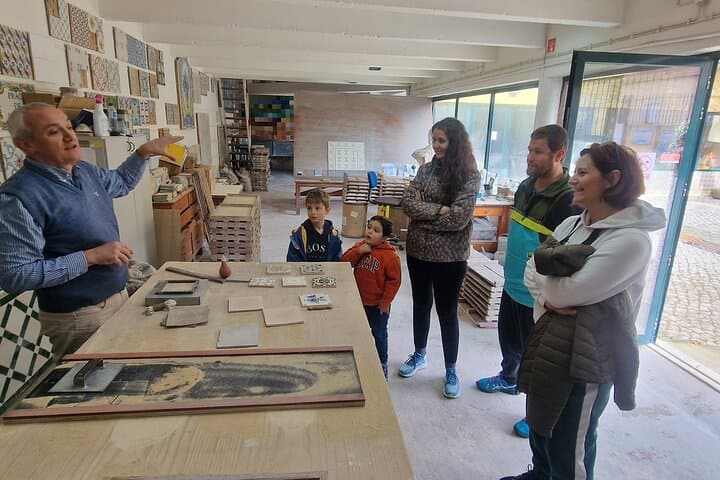
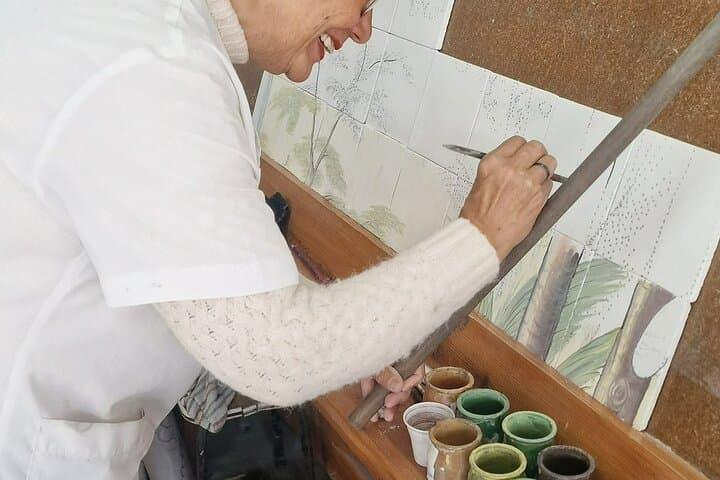
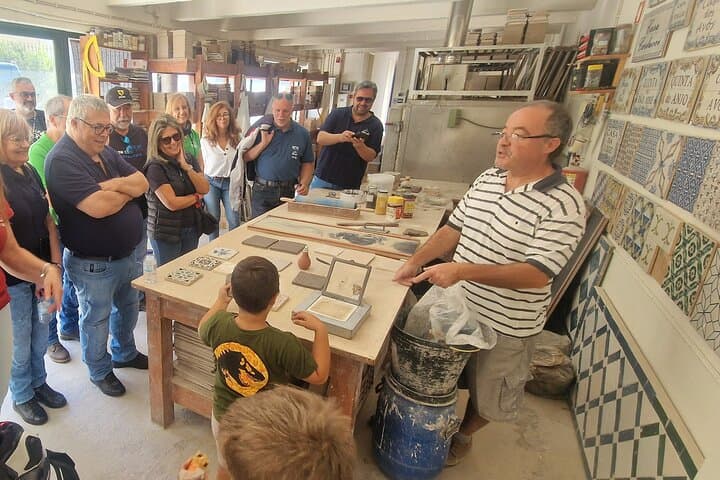
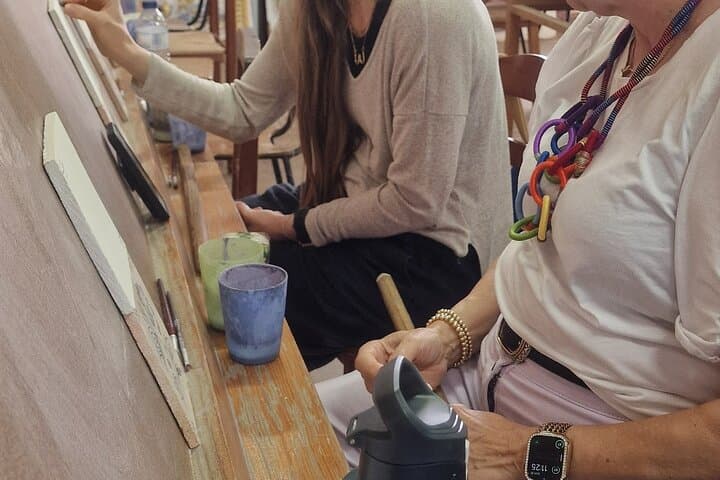
A morning begins in Lisbon with a quiet car folding out of the city and climbing toward the Arrábida hills; the road opens to sea-scrub slopes and sudden coastal blue that seems to push the view outward. You arrive at a modest studio where local artisans lay out brushes, pigments and unglazed ceramic tiles, and the tactile work of painting teaches a different pace — deliberate strokes, glazes, and a patience that belongs to place.
A morning begins in Lisbon with a quiet car folding out of the city and climbing toward the Arrábida hills; the road opens to sea-scrub slopes and sudden coastal blue that seems to push the view outward. You arrive at a modest studio where local artisans lay out brushes, pigments and unglazed ceramic tiles, and the tactile work of painting teaches a different pace — deliberate strokes, glazes, and a patience that belongs to place.
The tour threads history and geology: Setúbal’s Livramento Market, its 1930 tiled panels recording fishermen and farmers, speaks to the region’s long maritime life. The Arrábida ridge itself is a remnant of tectonic collision and limestone uplift, where Mediterranean maquis clings to steep karst slopes and limestone cliffs drop toward turquoise coves.
Culture here moves between small-scale craft and family-run cellars. At a quinta, guests taste wines shaped by thin soils and maritime breezes while learning about local varietals and production practices. The day closes with quiet coastal views, a short walk among scrub and olive groves, and a hand-painted tile boxed and shipped if needed.
Practical guidance: expect light walking between short stops, bring sun protection and a reusable bottle, and plan for a 7–8 hour day with hotel pickup. Photography is allowed in most places but respect working artisans; bring a small bag for purchases and expect card payments but carry a little cash for market snacks.