THE ADVENTURE COLLECTIVE® · Independent discovery and booking for outdoor travel

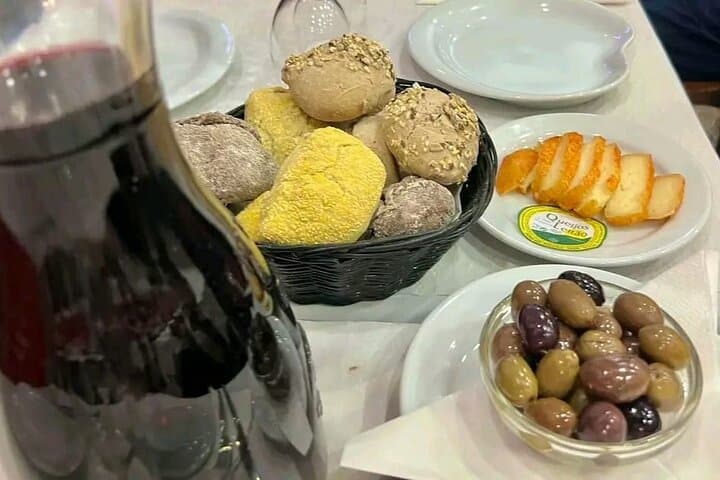
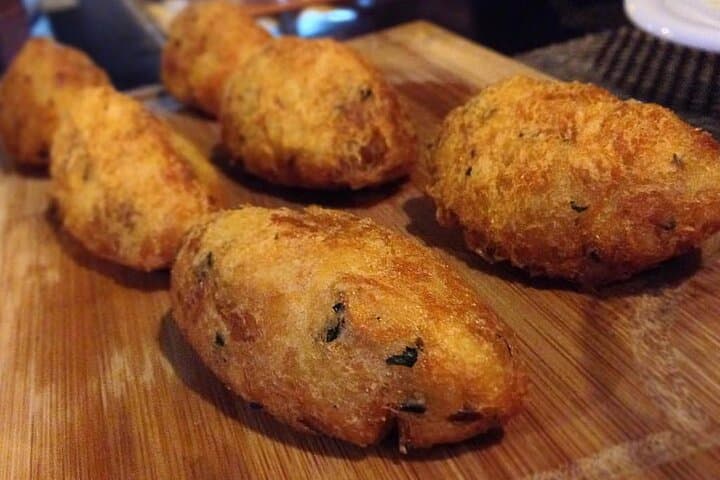
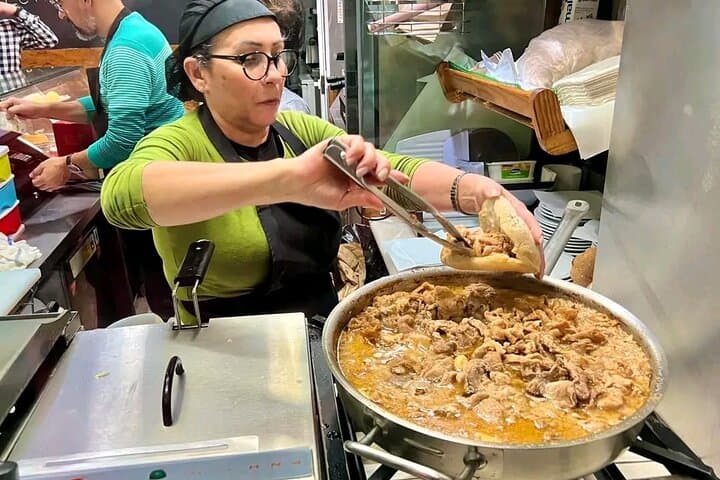
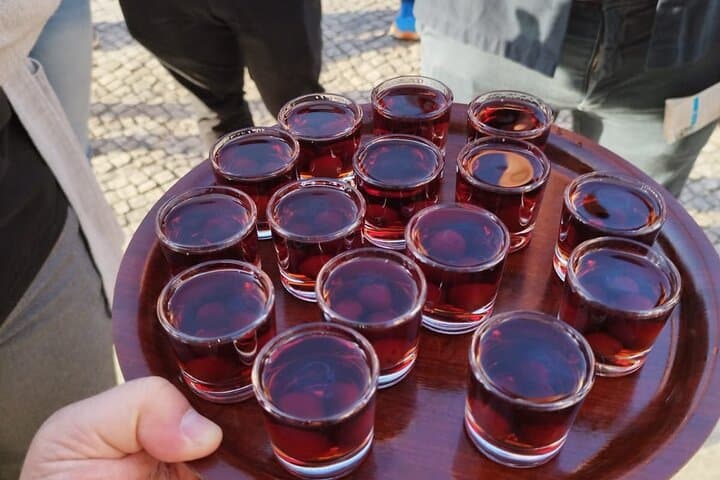
Walk Lisbon’s hills through ten local tastings and two wine sips on this private four-hour food tour. Learn culinary history, sample ginginha and pastéis de nata, and skip the Santa Justa queue with a local guide.
Walk Lisbon’s hills through ten local tastings and two wine sips on this private four-hour food tour. Learn culinary history, sample ginginha and pastéis de nata, and skip the Santa Justa queue with a local guide.
You meet at Rossio as the city wakes: cobbles still cool underfoot, trams rattling up steep streets, and the Tagus light catching orange façades. The guide unfolds a map of tastes rather than miles — ten small plates, two wines and a string of viewpoints — and you set off uphill toward viewpoints that frame the river and the Santa Justa Elevator.
Verified experiences and guided adventures in the surrounding area.
Operated by Pentravel · Lisbon, Lisbon
You meet at Rossio as the city wakes: cobbles still cool underfoot, trams rattling up steep streets, and the Tagus light catching orange façades. The guide unfolds a map of tastes rather than miles — ten small plates, two wines and a string of viewpoints — and you set off uphill toward viewpoints that frame the river and the Santa Justa Elevator.
This four-hour walk threads Lisbon’s layered history into its snacks: convent-baked custard tarts with origins in Belém, ginginha the convent-cure-turned-liqueur, and petiscos that echo Portugal’s 19th-century café culture. You pass the shell of the Convent of Carmo, a visible scar from the 1755 earthquake, and hear how the 1974 Carnation Revolution reshaped the city’s streets and civic life. Geology peeks through in limestone miradouros and steep, cobbled lanes that shaped neighborhoods and commerce.
Culturally, Bairro Alto’s bohemian energy gives way to São Roque’s restrained Jesuit baroque — a compact crash course in Lisbon’s contradictions. Local insights come in gestures: which pastelaria still uses the original oven, where ginginha is poured by the glass, and which tavern on Garret Street was once loved by visiting chefs.
Practical guidance: wear supportive shoes for uneven, uphill cobbles; bring a refillable water bottle and layered clothing for changing sun and breeze; carry small cash for independent shops; and flag dietary restrictions ahead of time. The route is adaptable — the private format lets you linger at a favorite stop or trade a tasting for an extra viewpoint — but expect four hours of steady walking, tasting, and local stories.
moderate.
4 hours.
Moderately fit — able to walk for 3–4 hours over uneven, uphill cobbles with short standing tastings.
Expect about 2–3 miles (3–5 km) of walking over four hours across cobbled, hilly streets with frequent short stops for tastings and commentary.
Vegetarian and gluten-free options are available in some stops but not guaranteed — notify the operator at booking to maximize options.
The private format and local knowledge let you enjoy views near the Santa Justa without waiting in the large public queue, though full access to attractions depends on ticketing rules.
Infants must sit on laps; the tour involves uphill walking and street conditions that may be challenging for very young children.
Lisbon’s downtown bears visible marks of the 1755 earthquake and the 1974 Carnation Revolution; many historic cafés and convent recipes date to the 18th and 19th centuries.
Support small, family-run shops and bring a reusable bottle to reduce single-use waste; stick to sidewalks and designated viewpoints to protect fragile pavements and plants.
Pentravel operates guided outdoor trips and adventures with an emphasis on safety, stewardship, and memorable experiences.
You meet at Rossio as the city wakes: cobbles still cool underfoot, trams rattling up steep streets, and the Tagus light catching orange façades. The guide unfolds a map of tastes rather than miles — ten small plates, two wines and a string of viewpoints — and you set off uphill toward viewpoints that frame the river and the Santa Justa Elevator.
You meet at Rossio as the city wakes: cobbles still cool underfoot, trams rattling up steep streets, and the Tagus light catching orange façades. The guide unfolds a map of tastes rather than miles — ten small plates, two wines and a string of viewpoints — and you set off uphill toward viewpoints that frame the river and the Santa Justa Elevator.
This four-hour walk threads Lisbon’s layered history into its snacks: convent-baked custard tarts with origins in Belém, ginginha the convent-cure-turned-liqueur, and petiscos that echo Portugal’s 19th-century café culture. You pass the shell of the Convent of Carmo, a visible scar from the 1755 earthquake, and hear how the 1974 Carnation Revolution reshaped the city’s streets and civic life. Geology peeks through in limestone miradouros and steep, cobbled lanes that shaped neighborhoods and commerce.
Culturally, Bairro Alto’s bohemian energy gives way to São Roque’s restrained Jesuit baroque — a compact crash course in Lisbon’s contradictions. Local insights come in gestures: which pastelaria still uses the original oven, where ginginha is poured by the glass, and which tavern on Garret Street was once loved by visiting chefs.
Practical guidance: wear supportive shoes for uneven, uphill cobbles; bring a refillable water bottle and layered clothing for changing sun and breeze; carry small cash for independent shops; and flag dietary restrictions ahead of time. The route is adaptable — the private format lets you linger at a favorite stop or trade a tasting for an extra viewpoint — but expect four hours of steady walking, tasting, and local stories.