THE ADVENTURE COLLECTIVE® · Independent discovery and booking for outdoor travel

Learn to surf the Atlantic with round-trip transfer from Lisbon to Carcavelos or Costa da Caparica. Three-hour lessons cover paddling, safety, and standing up on forgiving beach breaks—ideal for first-timers and progressing beginners.
Learn to surf the Atlantic with round-trip transfer from Lisbon to Carcavelos or Costa da Caparica. Three-hour lessons cover paddling, safety, and standing up on forgiving beach breaks—ideal for first-timers and progressing beginners.
The Atlantic pushes toward the sand in a steady, blue rhythm as your minivan eases out of Lisbon and the cityscape softens into low cliffs and wide beaches. Within an hour you can be standing ankle-deep at Carcavelos or Costa da Caparica, boards lined up like orderly promises and coaches scanning the swell for the safest shoulder to teach your first pop-up.
Verified experiences and guided adventures in the surrounding area.
Operated by Carcavelos Surf School · Carcavelos, Lisbon District
The Atlantic pushes toward the sand in a steady, blue rhythm as your minivan eases out of Lisbon and the cityscape softens into low cliffs and wide beaches. Within an hour you can be standing ankle-deep at Carcavelos or Costa da Caparica, boards lined up like orderly promises and coaches scanning the swell for the safest shoulder to teach your first pop-up.
Carcavelos earned its reputation as a learning ground in the postwar surf boom—long beach breaks formed by offshore reefs and a broad sandbar make for predictable peaks. Costa da Caparica, across the Tagus, offers a longer coastline with more exposed breaks that catch Atlantic swells. Geologically, these beaches are shaped by strong west-to-east littoral drift and seasonal storm pulses that rebuild and reshuffle sand each year.
Culture here mixes seaside cafés, fishermen’s markets, and a growing surf community; local surf schools have trained generations, and weekend competitions are part social ritual, part endurance test.
Practical guidance: lessons run about three hours, covering paddling, wave selection, safety, and standing up on foam or soft-top boards. Coaches supply boards, wetsuits, and basic insurance; bring swim ability, a lightweight towel, and reef-safe sunscreen. Expect variable conditions—calmer, smaller waves in summer and stronger, more powerful surf in winter—so plan sessions by experience level and ask the school about the day’s pick (Carcavelos or Caparica). Hydrate before and after, arrive to the central meeting point on time, and listen closely to safety briefings: the ocean rewards respect and steady practice.
moderate.
3 hours.
Reasonable cardio and upper‑body strength help with paddling; basic swimming ability required.
Yes—boards, wetsuits, and basic safety gear are included in the lesson price.
A central meeting point in Lisbon is confirmed after booking; allow time for travel to the beach pickup.
You should be comfortable in the ocean and able to tread water; coaches support beginners but basic swimming ability is required.
Full refunds are available if you cancel at least 24 hours before departure; lessons may be canceled for bad weather.
Carcavelos developed as a surf center after the 1960s when surf culture spread across Europe; fishing and beach tourism long predate modern surf schools.
Coastal erosion and litter are ongoing concerns—use marked access points, avoid trampling dunes, and choose reef‑safe sunscreen to minimize impact.
Carcavelos Surf School operates guided outdoor trips and adventures with an emphasis on safety, stewardship, and memorable experiences.
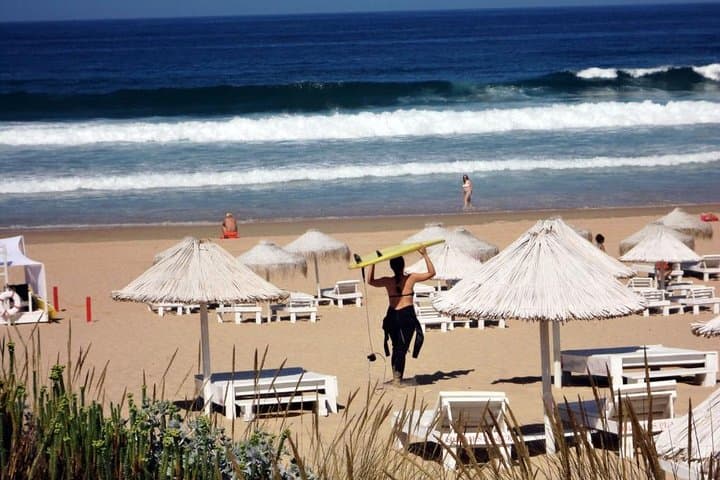
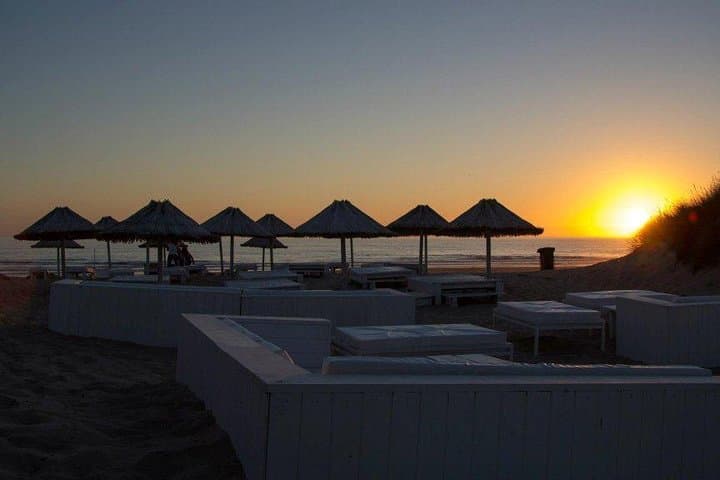
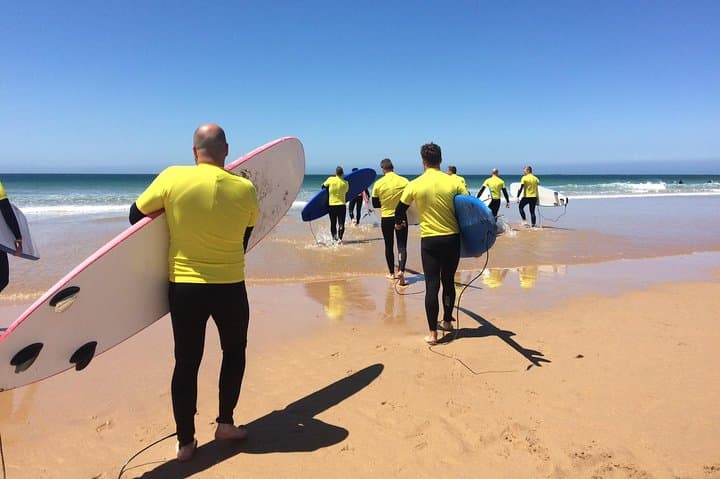
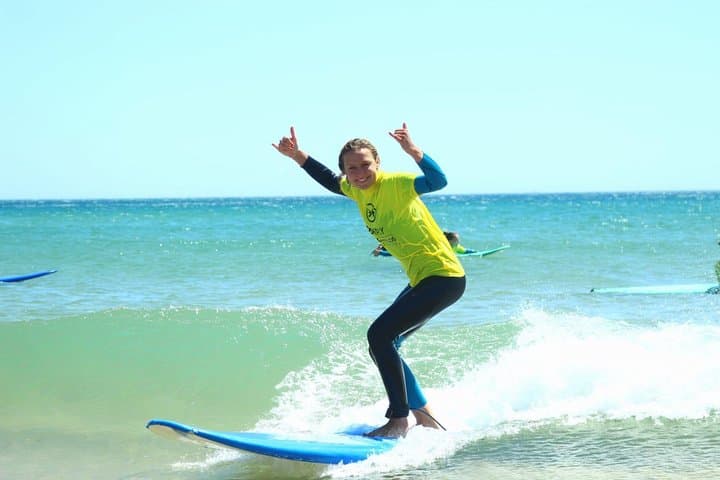
The Atlantic pushes toward the sand in a steady, blue rhythm as your minivan eases out of Lisbon and the cityscape softens into low cliffs and wide beaches. Within an hour you can be standing ankle-deep at Carcavelos or Costa da Caparica, boards lined up like orderly promises and coaches scanning the swell for the safest shoulder to teach your first pop-up.
The Atlantic pushes toward the sand in a steady, blue rhythm as your minivan eases out of Lisbon and the cityscape softens into low cliffs and wide beaches. Within an hour you can be standing ankle-deep at Carcavelos or Costa da Caparica, boards lined up like orderly promises and coaches scanning the swell for the safest shoulder to teach your first pop-up.
Carcavelos earned its reputation as a learning ground in the postwar surf boom—long beach breaks formed by offshore reefs and a broad sandbar make for predictable peaks. Costa da Caparica, across the Tagus, offers a longer coastline with more exposed breaks that catch Atlantic swells. Geologically, these beaches are shaped by strong west-to-east littoral drift and seasonal storm pulses that rebuild and reshuffle sand each year.
Culture here mixes seaside cafés, fishermen’s markets, and a growing surf community; local surf schools have trained generations, and weekend competitions are part social ritual, part endurance test.
Practical guidance: lessons run about three hours, covering paddling, wave selection, safety, and standing up on foam or soft-top boards. Coaches supply boards, wetsuits, and basic insurance; bring swim ability, a lightweight towel, and reef-safe sunscreen. Expect variable conditions—calmer, smaller waves in summer and stronger, more powerful surf in winter—so plan sessions by experience level and ask the school about the day’s pick (Carcavelos or Caparica). Hydrate before and after, arrive to the central meeting point on time, and listen closely to safety briefings: the ocean rewards respect and steady practice.