THE ADVENTURE COLLECTIVE® · Independent discovery and booking for outdoor travel

Two-hour guided surf lessons on Lisbon’s Atlantic coast teach safety, take-off technique, and wave selection. Ideal for beginners and intermediates looking for consistent beach breaks and experienced instructors.
Two-hour guided surf lessons on Lisbon’s Atlantic coast teach safety, take-off technique, and wave selection. Ideal for beginners and intermediates looking for consistent beach breaks and experienced instructors.
A cold Atlantic wind presses a salt tang into the air as a small group gathers on packed sand—boards under arms, instructors scanning the horizon. The lesson begins with safety on the beach: how the ocean moves, how rips form, and the timing of a good take-off. When the group paddles out, the sea feels alive, pushing and releasing beneath each board, and the instructor’s voice cuts through wind and foam.
Verified experiences and guided adventures in the surrounding area.
Operated by Lisbon Surf Connection · Lisbon, Lisboa
A cold Atlantic wind presses a salt tang into the air as a small group gathers on packed sand—boards under arms, instructors scanning the horizon. The lesson begins with safety on the beach: how the ocean moves, how rips form, and the timing of a good take-off. When the group paddles out, the sea feels alive, pushing and releasing beneath each board, and the instructor’s voice cuts through wind and foam.
Lisbon’s coastline has long been shaped by the Tagus estuary and Atlantic swell; early 20th-century fishermen once read the surf for weather, and modern surf culture spread here in the 1960s. The geology of the region—sandy beaches backed by limestone cliffs and long, straight shorelines—creates consistent beach breaks ideal for learners.
Culturally, surfing here is social and accessible: schools feed into local cafés and boardrider communities in Cascais and Costa da Caparica. Expect practical teaching: warm-up, pop-up technique, and wave selection, with equipment and insurance typically provided.
Plan for changing water temperatures—wetsuits are standard most of the year—and for variable swell. Bring a small dry bag for valuables, hydrate well, and arrive 15–30 minutes early for check-in. Lessons normally run about two hours and accommodate up to around 20 students in shared groups, with instructors adapting drills to ability. If wind picks up, lessons can shift to more sheltered breaks or be rescheduled.
For first-timers this is a measured, confidence-building introduction to Atlantic surfing—equal parts technique and time spent listening to the sea.
moderate.
2 hours.
Suitable for most activity levels; basic paddling stamina and comfort in open water are recommended.
No—lessons are structured for beginners and intermediate surfers; instructors tailor drills to your level.
Yes—most schools provide a board, wetsuit, and basic insurance as part of the lesson package.
Policies vary, but infants must sit on laps and participants should not have serious spinal or heart conditions; basic swimming ability is recommended.
Lessons may be canceled or moved to a more sheltered beach; check cancellation policies and rescheduling options with the operator.
Lisbon’s maritime heritage and long coastal trade shaped its seaside culture; modern surfing grew here mid-20th century as boardriding communities formed along the Tagus and Cascais shores.
Support local beach cleanups and avoid trampling dune vegetation; choose reef-safe sunscreens and follow instructor guidance to minimize disturbance to wildlife.
Lisbon Surf Connection operates guided outdoor trips and adventures with an emphasis on safety, stewardship, and memorable experiences.
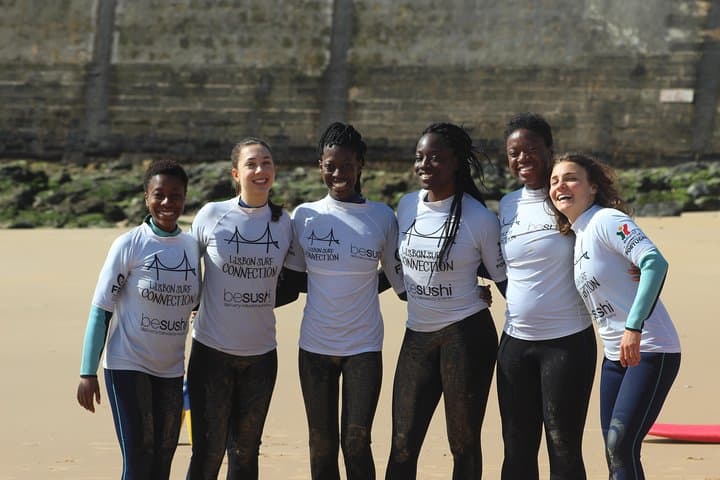
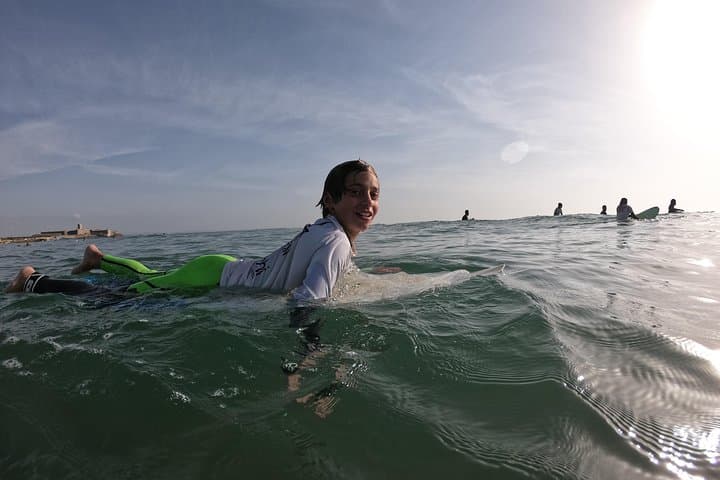
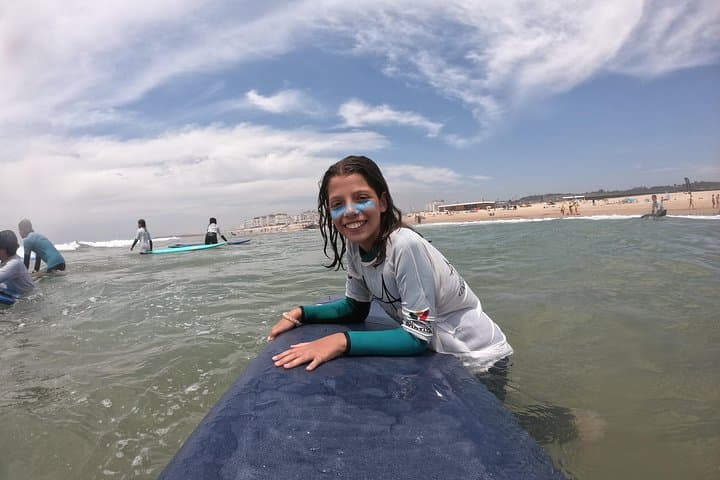
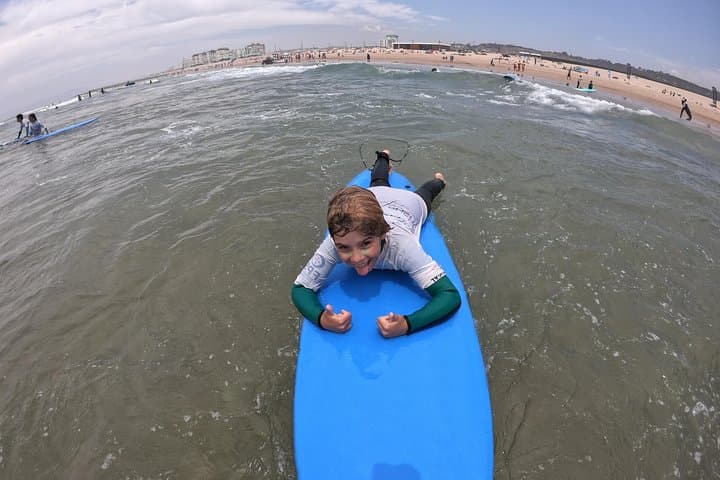
A cold Atlantic wind presses a salt tang into the air as a small group gathers on packed sand—boards under arms, instructors scanning the horizon. The lesson begins with safety on the beach: how the ocean moves, how rips form, and the timing of a good take-off. When the group paddles out, the sea feels alive, pushing and releasing beneath each board, and the instructor’s voice cuts through wind and foam.
A cold Atlantic wind presses a salt tang into the air as a small group gathers on packed sand—boards under arms, instructors scanning the horizon. The lesson begins with safety on the beach: how the ocean moves, how rips form, and the timing of a good take-off. When the group paddles out, the sea feels alive, pushing and releasing beneath each board, and the instructor’s voice cuts through wind and foam.
Lisbon’s coastline has long been shaped by the Tagus estuary and Atlantic swell; early 20th-century fishermen once read the surf for weather, and modern surf culture spread here in the 1960s. The geology of the region—sandy beaches backed by limestone cliffs and long, straight shorelines—creates consistent beach breaks ideal for learners.
Culturally, surfing here is social and accessible: schools feed into local cafés and boardrider communities in Cascais and Costa da Caparica. Expect practical teaching: warm-up, pop-up technique, and wave selection, with equipment and insurance typically provided.
Plan for changing water temperatures—wetsuits are standard most of the year—and for variable swell. Bring a small dry bag for valuables, hydrate well, and arrive 15–30 minutes early for check-in. Lessons normally run about two hours and accommodate up to around 20 students in shared groups, with instructors adapting drills to ability. If wind picks up, lessons can shift to more sheltered breaks or be rescheduled.
For first-timers this is a measured, confidence-building introduction to Atlantic surfing—equal parts technique and time spent listening to the sea.