THE ADVENTURE COLLECTIVE® · Independent discovery and booking for outdoor travel

Combine Lisbon’s vast outdoor street-art galleries with an afternoon in Arrábida’s limestone hills and a tasting at historic José Maria da Fonseca. This private eight-hour tour blends urban culture and coastal wine country with easy walking and private transport.
Combine Lisbon’s vast outdoor street-art galleries with an afternoon in Arrábida’s limestone hills and a tasting at historic José Maria da Fonseca. This private eight-hour tour blends urban culture and coastal wine country with easy walking and private transport.
You step off the Van in a sun-scratched square and the city answers in color—giant canvases scale façades, and the Tagus, distant and blue, seems to lean in to listen.
Verified experiences and guided adventures in the surrounding area.
Operated by Pentravel · Lisbon, Lisbon District
You step off the Van in a sun-scratched square and the city answers in color—giant canvases scale façades, and the Tagus, distant and blue, seems to lean in to listen.
This private combo pairs Lisbon’s most expansive outdoor street-art galleries—Padre Cruz and Quinta do Mocho—with the rolling limestone heights of Arrábida and a tasting at José Maria da Fonseca in Azeitão. Street artists from Vhils to Obey Giant have painted social housing blocks and alleys into open-air galleries; at Quinta do Mocho, columns of flats become murals that challenge and invite. Then the road crosses the Tagus to Arrábida’s white cliffs and turquoise coves, where the geology shifts from urban tiles to Cretaceous limestone and scrubland that smells of rock and rosemary.
History threads through both: the winery dates to the 19th century and helped define the Moscatel de Setúbal style, while Palmela Castle watches over centuries of maritime trade between the Tagus and Sado estuaries.
Practical notes: expect light walking in uneven urban streets and short strolls at viewpoints; the tour runs about eight hours with private transportation and bottled water provided. Carry a daypack, sunscreen, and comfortable shoes suitable for cobbled streets and winery grounds. Time your visit for morning light in the murals and late-afternoon for Arrábida’s warm, slanting glow when the vineyards and sea deepen in color. Bring a camera, but also leave room to taste—Moscatel rewards attention.
easy.
8 hours.
Light fitness—able to walk short distances on uneven urban surfaces and climb short steps at viewpoints.
Yes—this itinerary includes a tasting at José Maria da Fonseca; the guide will confirm the tasting format during the visit.
Private transportation is included; pickup point is arranged at booking and public transport nearby the start is available.
The tour is family-friendly for walking, but wine tastings are for adults; confirm any child seating or meal needs in advance.
Yes—photography is allowed in public spaces; please be respectful around residents and avoid entering gated private areas.
José Maria da Fonseca has been producing Moscatel de Setúbal since the 19th century; Palmela Castle dates to medieval fortifications guarding estuary routes.
Arrábida is a protected natural park—stay on marked paths, avoid trampling scrub, and minimize plastic and noise at coastal viewpoints.
Pentravel operates guided outdoor trips and adventures with an emphasis on safety, stewardship, and memorable experiences.


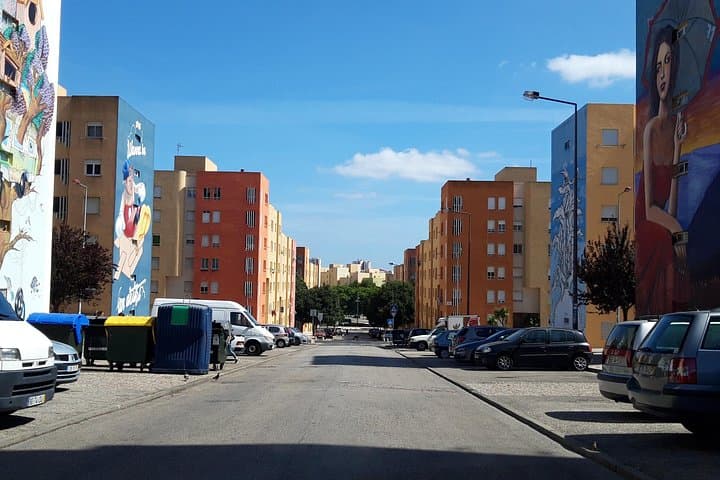
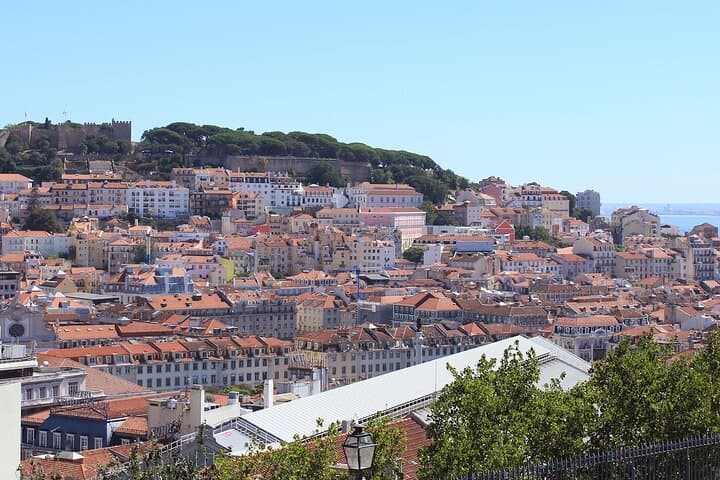
You step off the Van in a sun-scratched square and the city answers in color—giant canvases scale façades, and the Tagus, distant and blue, seems to lean in to listen.
You step off the Van in a sun-scratched square and the city answers in color—giant canvases scale façades, and the Tagus, distant and blue, seems to lean in to listen.
This private combo pairs Lisbon’s most expansive outdoor street-art galleries—Padre Cruz and Quinta do Mocho—with the rolling limestone heights of Arrábida and a tasting at José Maria da Fonseca in Azeitão. Street artists from Vhils to Obey Giant have painted social housing blocks and alleys into open-air galleries; at Quinta do Mocho, columns of flats become murals that challenge and invite. Then the road crosses the Tagus to Arrábida’s white cliffs and turquoise coves, where the geology shifts from urban tiles to Cretaceous limestone and scrubland that smells of rock and rosemary.
History threads through both: the winery dates to the 19th century and helped define the Moscatel de Setúbal style, while Palmela Castle watches over centuries of maritime trade between the Tagus and Sado estuaries.
Practical notes: expect light walking in uneven urban streets and short strolls at viewpoints; the tour runs about eight hours with private transportation and bottled water provided. Carry a daypack, sunscreen, and comfortable shoes suitable for cobbled streets and winery grounds. Time your visit for morning light in the murals and late-afternoon for Arrábida’s warm, slanting glow when the vineyards and sea deepen in color. Bring a camera, but also leave room to taste—Moscatel rewards attention.