THE ADVENTURE COLLECTIVE® · Independent discovery and booking for outdoor travel

Cut loose from Lisbon and cross the Tagus on a high‑speed ride to Bugio Fort. This one‑hour speedboat trip pairs adrenaline with close‑up views of historic coastal forts and the Atlantic doorway to the river.
Cut loose from Lisbon and cross the Tagus on a high‑speed ride to Bugio Fort. This one‑hour speedboat trip pairs adrenaline with close‑up views of historic coastal forts and the Atlantic doorway to the river.
The engine coughs, then sings, and the Tagus opens up like a dare. Within minutes the city’s tile roofs and tram wires fall astern and the Atlantic wind takes the wheel. You ride a 12‑passenger speedboat toward Bugio, a squat fortress on a sandbar at the mouth of the river, waves slapping the hull as the coastline unspools.
Verified experiences and guided adventures in the surrounding area.
Operated by SeaEO-Tours · Lisbon, Lisbon
The engine coughs, then sings, and the Tagus opens up like a dare. Within minutes the city’s tile roofs and tram wires fall astern and the Atlantic wind takes the wheel. You ride a 12‑passenger speedboat toward Bugio, a squat fortress on a sandbar at the mouth of the river, waves slapping the hull as the coastline unspools.
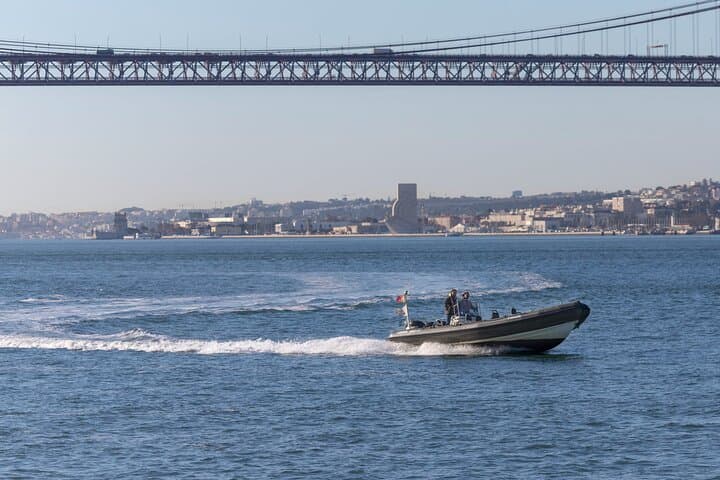
History here is visible and blunt: seventeenth‑century forts, São Julião and São Lourenço, mark the line where river met empire. Geology is simple and kinetic — tidal sands, engineered embankments and the long sweep of river sediment pushed into the Atlantic. Culture rides the water too: local fishermen run lines from skiffs and Lisbon’s maritime heritage still shapes the docks you leave behind. From the deck you see Cristo Rei and the 25 de Abril bridge as human-scale punctuation against open sea.
Practically: the trip is short (about 60 minutes) and designed for all fitness levels; life jackets and raincoats are provided. Expect exposed, windy conditions — spray, sudden sun and quick temperature shifts. Bring a windproof layer, secure your phone in a dry pocket and arrive 15 minutes early for boarding. Photography windows are instant: low angles, fast motion — steady yourself for sharp horizons and forts that seem to grow from the water. Operators may cancel for heavy seas; safety briefings are part of the departure. This is an adrenaline‑tinged sightseeing run: brief, vivid and unmistakably maritime.
easy.
1 hour.
Suitable for people in average physical condition; requires basic mobility to board and balance on a moving boat.
The listed duration is about 60 minutes from boarding to return; time on water can vary slightly with weather and routing.
The trip is family‑friendly but boarding requires stepping onto a moving dock and stability on a small boat; check with the operator if you have mobility concerns.
This tour typically approaches and disembarks at Bugio but itineraries may vary; the operator’s description indicates a stop at the fort is part of the route.
Trips are cancelled in unsafe sea conditions; the operator’s policy allows full refunds if cancelled at least 24 hours before departure or if weather prevents sailing.
The Tagus estuary has been fortified since the Age of Sail; Bugio and nearby forts formed a defensive chain protecting Lisbon’s harbor from naval attack.
Keep distance from wildlife, avoid throwing waste overboard and follow the operator’s guidance to minimize disturbance to seabird nesting and coastal ecosystems.
SeaEO-Tours operates guided outdoor trips and adventures with an emphasis on safety, stewardship, and memorable experiences.
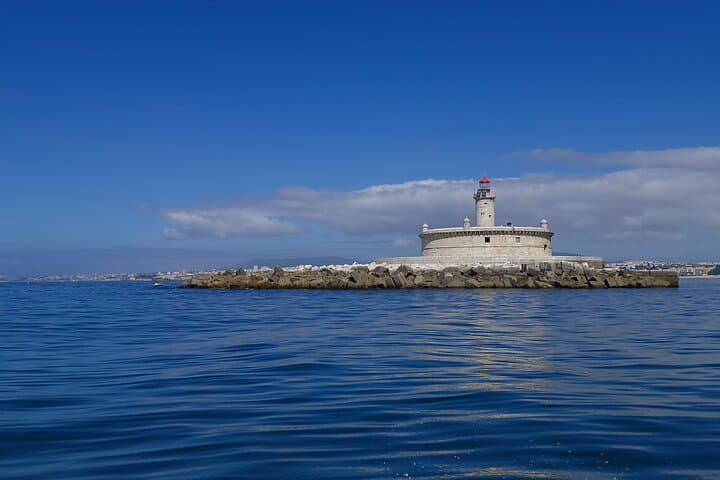
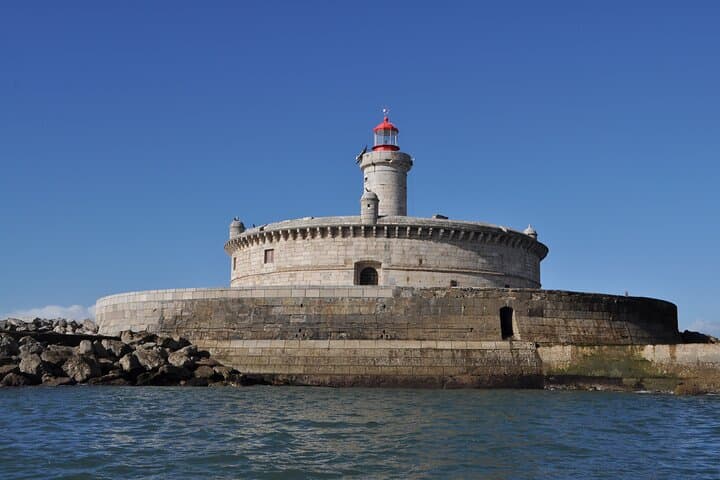
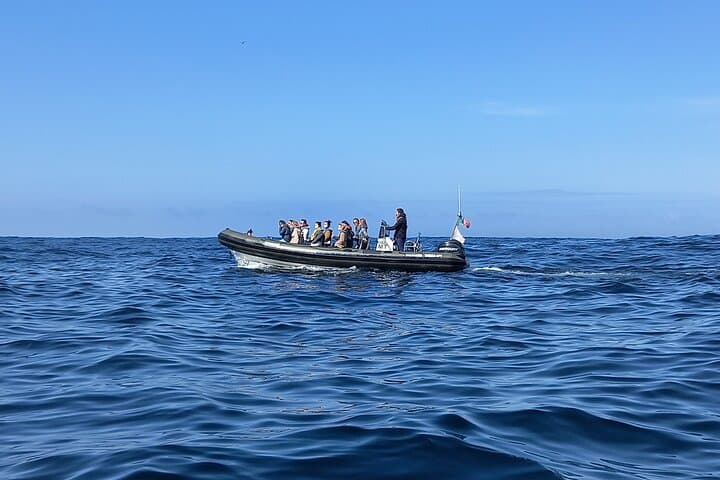
The engine coughs, then sings, and the Tagus opens up like a dare. Within minutes the city’s tile roofs and tram wires fall astern and the Atlantic wind takes the wheel. You ride a 12‑passenger speedboat toward Bugio, a squat fortress on a sandbar at the mouth of the river, waves slapping the hull as the coastline unspools.
The engine coughs, then sings, and the Tagus opens up like a dare. Within minutes the city’s tile roofs and tram wires fall astern and the Atlantic wind takes the wheel. You ride a 12‑passenger speedboat toward Bugio, a squat fortress on a sandbar at the mouth of the river, waves slapping the hull as the coastline unspools.
History here is visible and blunt: seventeenth‑century forts, São Julião and São Lourenço, mark the line where river met empire. Geology is simple and kinetic — tidal sands, engineered embankments and the long sweep of river sediment pushed into the Atlantic. Culture rides the water too: local fishermen run lines from skiffs and Lisbon’s maritime heritage still shapes the docks you leave behind. From the deck you see Cristo Rei and the 25 de Abril bridge as human-scale punctuation against open sea.
Practically: the trip is short (about 60 minutes) and designed for all fitness levels; life jackets and raincoats are provided. Expect exposed, windy conditions — spray, sudden sun and quick temperature shifts. Bring a windproof layer, secure your phone in a dry pocket and arrive 15 minutes early for boarding. Photography windows are instant: low angles, fast motion — steady yourself for sharp horizons and forts that seem to grow from the water. Operators may cancel for heavy seas; safety briefings are part of the departure. This is an adrenaline‑tinged sightseeing run: brief, vivid and unmistakably maritime.