THE ADVENTURE COLLECTIVE® · Independent discovery and booking for outdoor travel

Step aboard for a 2‑hour hands‑on sailing session on the Tagus River. Learn steering and sail handling under a professional skipper while passing Lisbon landmarks like the 25th April Bridge and Cristo Rei.
Step aboard for a 2‑hour hands‑on sailing session on the Tagus River. Learn steering and sail handling under a professional skipper while passing Lisbon landmarks like the 25th April Bridge and Cristo Rei.
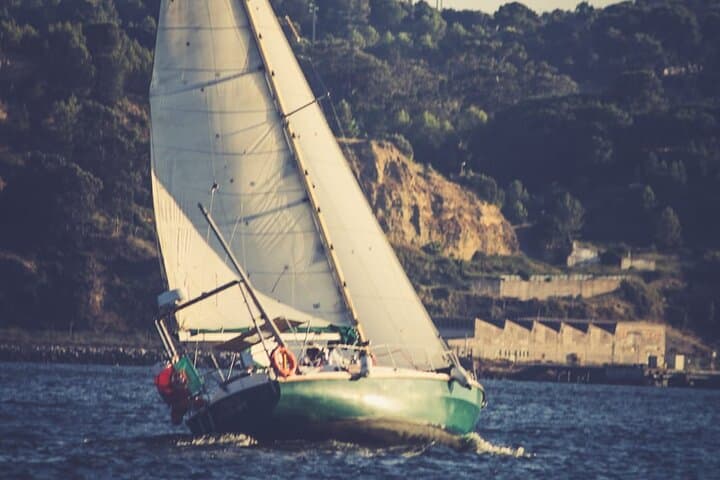
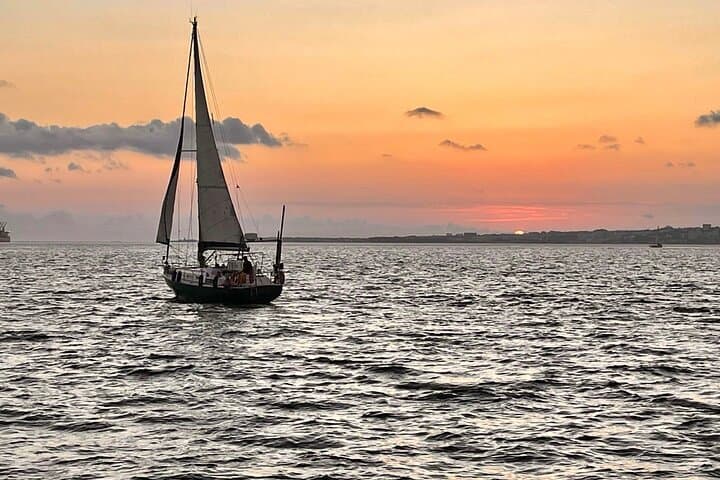
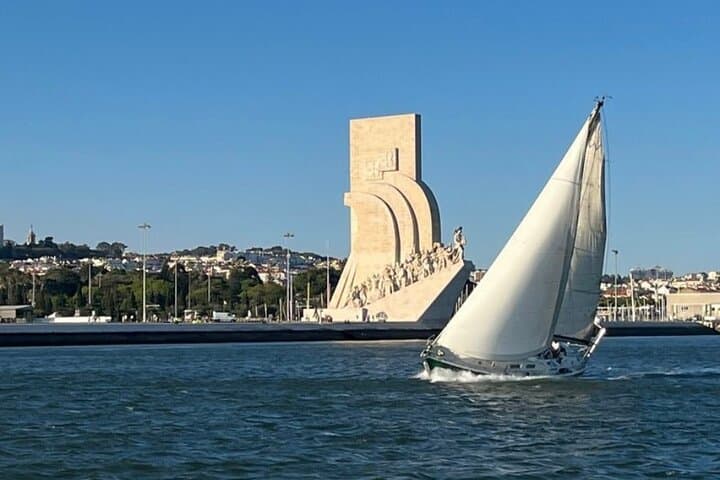
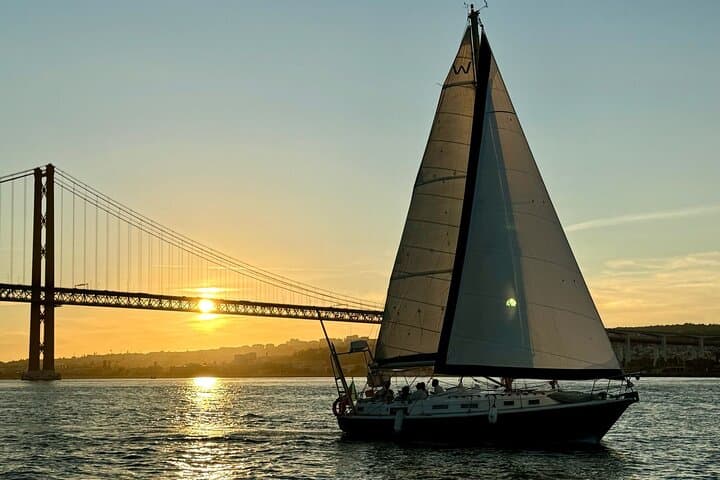
The hull nudges away from the quay and Lisbon unfolds: terracotta roofs, the red sweep of the 25th April Bridge, and the Tagus opening like a wide, conspiring road to the sea. A skipper passes the tiller to you, and for two hours the river stops being a postcard and becomes work — trim the sheets, feel the wind translate through canvas, correct your heading.
Verified experiences and guided adventures in the surrounding area.
Operated by Lisbon Boat Tours · Lisbon, Lisbon
The hull nudges away from the quay and Lisbon unfolds: terracotta roofs, the red sweep of the 25th April Bridge, and the Tagus opening like a wide, conspiring road to the sea. A skipper passes the tiller to you, and for two hours the river stops being a postcard and becomes work — trim the sheets, feel the wind translate through canvas, correct your heading.
This is a practical introduction to sailing on the Tagus. The river has been Lisbon’s lifeline since Phoenician and Roman times, carving a natural harbor and shaping trade routes. Geologically, the wide estuary is shallow toward the city and deepens toward the ocean, creating variable currents and gusts that teach beginners to read water and wind. Culturally the river bridges old maritime tradition and modern leisure; you’ll pass Cristo Rei and the iron lattice of the 25th April Bridge, reminders of 20th‑century history and the city’s connection to the Atlantic.
Expect a hands-on lesson: brief theory on sails and points of sail, guided steering, sail handling drills and on-water corrections. The pace is conversational but focused — safety briefing, roles assigned, then practice. The skipper adapts to conditions and to each participant’s comfort level.
Practical guidance: wear non‑marking shoes, a windproof layer, polarized sunglasses and sun protection. Bring a small dry bag for phones, hydrate before boarding and arrive 15 minutes early for briefing. Seas are generally mild in the estuary, but weather can shift; if wind picks up the learning gets faster and more memorable.
easy.
2 hours.
Suitable for most fitness levels; you should be steady on your feet and able to move on deck.
No — the session is designed for beginners; the skipper teaches basics and supervises all maneuvers.
Age requirements vary by operator, but most allow teenagers if accompanied by an adult; check booking questions for age bands.
The operator may cancel for safety (refunds available if you cancel at least 24 hours prior); stronger winds may mean shorter or altered on‑water training.
Yes — steering and sail handling are core parts of the two‑hour hands‑on experience under skipper supervision.
The Tagus estuary has been a maritime axis since antiquity; landmarks like the 25th April Bridge and Cristo Rei reflect 20th‑century urban and political history.
Operators encourage minimal waste, use of reef‑safe sunscreen and respect for wildlife; avoid tossing anything overboard to protect the estuary.
Lisbon Boat Tours operates guided outdoor trips and adventures with an emphasis on safety, stewardship, and memorable experiences.
The hull nudges away from the quay and Lisbon unfolds: terracotta roofs, the red sweep of the 25th April Bridge, and the Tagus opening like a wide, conspiring road to the sea. A skipper passes the tiller to you, and for two hours the river stops being a postcard and becomes work — trim the sheets, feel the wind translate through canvas, correct your heading.
The hull nudges away from the quay and Lisbon unfolds: terracotta roofs, the red sweep of the 25th April Bridge, and the Tagus opening like a wide, conspiring road to the sea. A skipper passes the tiller to you, and for two hours the river stops being a postcard and becomes work — trim the sheets, feel the wind translate through canvas, correct your heading.
This is a practical introduction to sailing on the Tagus. The river has been Lisbon’s lifeline since Phoenician and Roman times, carving a natural harbor and shaping trade routes. Geologically, the wide estuary is shallow toward the city and deepens toward the ocean, creating variable currents and gusts that teach beginners to read water and wind. Culturally the river bridges old maritime tradition and modern leisure; you’ll pass Cristo Rei and the iron lattice of the 25th April Bridge, reminders of 20th‑century history and the city’s connection to the Atlantic.
Expect a hands-on lesson: brief theory on sails and points of sail, guided steering, sail handling drills and on-water corrections. The pace is conversational but focused — safety briefing, roles assigned, then practice. The skipper adapts to conditions and to each participant’s comfort level.
Practical guidance: wear non‑marking shoes, a windproof layer, polarized sunglasses and sun protection. Bring a small dry bag for phones, hydrate before boarding and arrive 15 minutes early for briefing. Seas are generally mild in the estuary, but weather can shift; if wind picks up the learning gets faster and more memorable.