THE ADVENTURE COLLECTIVE® · Independent discovery and booking for outdoor travel

Walk Lisbon’s layers in three focused hours: from Praça do Comércio’s riverside grandeur to Alfama’s fado-filled lanes and Chiado’s cafés. This private walking tour blends history, local flavor, and practical pacing for an authentic city introduction.
Walk Lisbon’s layers in three focused hours: from Praça do Comércio’s riverside grandeur to Alfama’s fado-filled lanes and Chiado’s cafés. This private walking tour blends history, local flavor, and practical pacing for an authentic city introduction.
You step out onto Praça do Comércio, the Tagus daring you with a salt-sweet breeze as tram bells punctuate the morning. Yellow Pombaline facades open like pages of the city’s long story and your guide threads the narrative — from the city’s maritime ambitions to the aftermath of the 1755 earthquake.
Verified experiences and guided adventures in the surrounding area.
Operated by DELIGHTED TOURS · Lisbon, Lisboa
You step out onto Praça do Comércio, the Tagus daring you with a salt-sweet breeze as tram bells punctuate the morning. Yellow Pombaline facades open like pages of the city’s long story and your guide threads the narrative — from the city’s maritime ambitions to the aftermath of the 1755 earthquake.
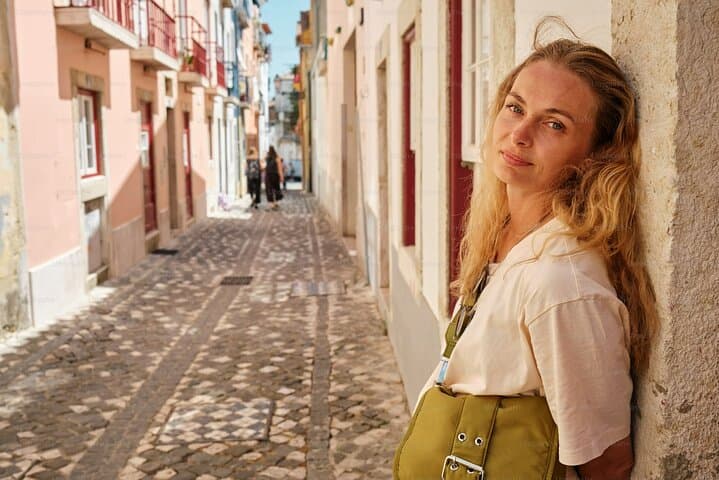
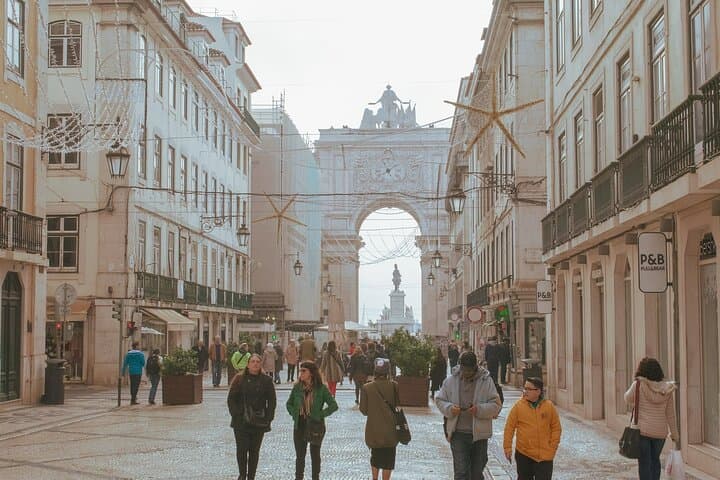
The walk moves through Alfama’s narrow lanes where Moorish street patterns and the echoes of fado give sound to the past. You’ll pass the Lisbon Cathedral and the Church of St. Anthony, stops that mark layers of Roman, Moorish and medieval Lisbon. Chiado and Bairro Alto show the city’s intellectual and bohemian turns: elegant cafes, tiled storefronts and viewpoints over the Tagus.
Geology and urban form are visible: steep granite outcrops create the city’s seven-hill profile and Pombaline gridwork east of the river shows 18th-century engineering designed to resist seismic shock. Cultural touchpoints include the Jewish Memorial and the distinct, melancholic strains of fado emerging from small houses.
Practicalities are simple and real: this private, three-hour route covers cobbles and steep climbs — comfortable footwear and steady pacing matter. Tours often include small tastings (ginginha and codfish cake) and are stroller-accessible though hills may still challenge pushchairs.
Plan for morning light or late-afternoon golden hour to avoid peak crowds, carry a refillable bottle, and keep cards and small change for trams and snacks. The guide’s local knowledge turns alleys into context — and three hours of walking leaves you with concrete routes and stories to explore further on your own.
easy.
3–3.5 hours.
Basic walking fitness; comfortable on inclines and uneven cobbles for a few hours
Yes — the tour is stroller-accessible but note that some stretches include steep hills and cobbles that may require lifting or a slower pace.
This private walking tour does not typically include paid admissions; tram fare or optional museum entries are extra.
Guides are local and tours are offered in common tourist languages; confirm language availability when booking.
Common start points include Praça do Comércio or nearby central meeting locations; finishing points vary but often end in Chiado or Rossio for easy onward travel.
Lisbon was reshaped after the catastrophic 1755 earthquake by the Marquês de Pombal’s pragmatic grid and anti-seismic construction, while Alfama retains its Moorish street plan and is the birthplace of fado.
Use refillable bottles and stay on designated sidewalks to protect fragile historic pavements; support local businesses to help maintain traditional neighborhoods.
DELIGHTED TOURS operates guided outdoor trips and adventures with an emphasis on safety, stewardship, and memorable experiences.
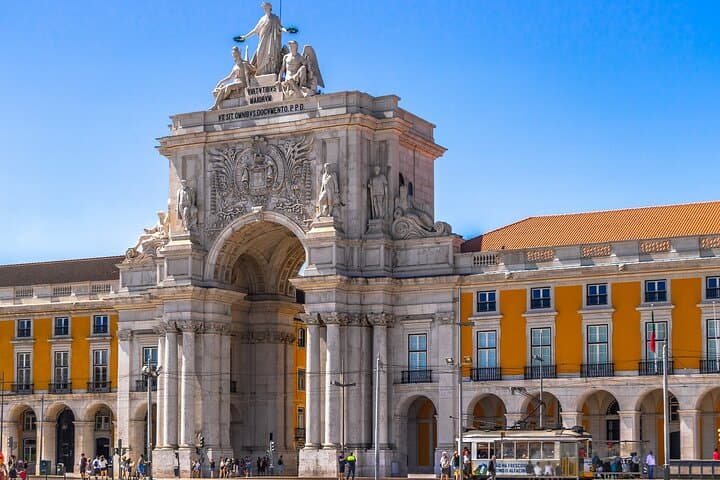
You step out onto Praça do Comércio, the Tagus daring you with a salt-sweet breeze as tram bells punctuate the morning. Yellow Pombaline facades open like pages of the city’s long story and your guide threads the narrative — from the city’s maritime ambitions to the aftermath of the 1755 earthquake.
You step out onto Praça do Comércio, the Tagus daring you with a salt-sweet breeze as tram bells punctuate the morning. Yellow Pombaline facades open like pages of the city’s long story and your guide threads the narrative — from the city’s maritime ambitions to the aftermath of the 1755 earthquake.
The walk moves through Alfama’s narrow lanes where Moorish street patterns and the echoes of fado give sound to the past. You’ll pass the Lisbon Cathedral and the Church of St. Anthony, stops that mark layers of Roman, Moorish and medieval Lisbon. Chiado and Bairro Alto show the city’s intellectual and bohemian turns: elegant cafes, tiled storefronts and viewpoints over the Tagus.
Geology and urban form are visible: steep granite outcrops create the city’s seven-hill profile and Pombaline gridwork east of the river shows 18th-century engineering designed to resist seismic shock. Cultural touchpoints include the Jewish Memorial and the distinct, melancholic strains of fado emerging from small houses.
Practicalities are simple and real: this private, three-hour route covers cobbles and steep climbs — comfortable footwear and steady pacing matter. Tours often include small tastings (ginginha and codfish cake) and are stroller-accessible though hills may still challenge pushchairs.
Plan for morning light or late-afternoon golden hour to avoid peak crowds, carry a refillable bottle, and keep cards and small change for trams and snacks. The guide’s local knowledge turns alleys into context — and three hours of walking leaves you with concrete routes and stories to explore further on your own.