THE ADVENTURE COLLECTIVE® · Independent discovery and booking for outdoor travel

Walk Lisbon’s steep streets with a local Croco guide: miradouros, azulejos, Carmo’s ruins and food tastings including pastel de nata and ginjinha. This private downhill tour combines concentrated history, local stories and urban views in 3–5 hours.
Walk Lisbon’s steep streets with a local Croco guide: miradouros, azulejos, Carmo’s ruins and food tastings including pastel de nata and ginjinha. This private downhill tour combines concentrated history, local stories and urban views in 3–5 hours.
You step out above the city where tiles catch the late light and the Tagus river pulls the eye toward the 25th of April Bridge. The guide — Croco-branded and local — leads you downhill through a sequenced map of miradouros, narrow alleys and terraced viewpoints, pausing where the city’s angles open into panoramas and the scent of coffee drifts from a corner café.
Verified experiences and guided adventures in the surrounding area.
Operated by Discover Portugal Tours - Follow the Croco · Lisbon, Lisbon
You step out above the city where tiles catch the late light and the Tagus river pulls the eye toward the 25th of April Bridge. The guide — Croco-branded and local — leads you downhill through a sequenced map of miradouros, narrow alleys and terraced viewpoints, pausing where the city’s angles open into panoramas and the scent of coffee drifts from a corner café.
The walk threads Lisbon’s seismic past and maritime rise: azulejos that narrate the Reconquista and empire, Gothic stone at the cathedral built on a former mosque, and the visible scars and rebuilding after the 1755 earthquake. The route visits Alfama — the neighbourhood that kept its bones — Rossio’s patterned pavements, the Carmo Convent ruins tied to the Carnation Revolution, and a working tile workshop where artisans shape centuries-old techniques.
Culture is as tactile as the guide’s stories: a sip of ginjinha, a custard tart at Time Out Market and a stop in the world’s oldest bookstore connect taste, text and place. Geology shows itself in the steep, granitic hills that define Lisbon’s downhill rhythm; the city practically pushes you toward the river.
Practical guidance: plan for 3–5 hours, wear sturdy walking shoes for cobbled streets and stairs, bring a refillable water bottle, and expect frequent short stops for photos and explanations. Morning or late-afternoon departures avoid the hottest sun and make miradouro light better for pictures. The tour is customizable and private, ideal for visitors who want concentrated history with culinary sampling and local tips.
moderate.
3–5 hours.
Participants should have moderate fitness—able to stand and walk several hours over uneven, steep terrain.
The tour starts at a high viewpoint in central Lisbon (miradouro) and ends at Time Out Market, central and easy to continue exploring on your own.
Families and fit older adults can enjoy it, but the route involves many stairs and cobbles—consider mobility and stamina before booking.
Snacks including a pastel de nata, ginjinha, coffee and bottled water are included; additional purchases at Time Out Market are optional.
Yes—this private tour is customizable within the 3–5 hour window to emphasize history, photography or food stops by prior arrangement.
Lisbon still bears visible traces of the 1755 earthquake and subsequent Pombaline reconstruction; the Carmo Convent’s ruins also mark historic political shifts including the 1974 Carnation Revolution.
Stick to marked paths and avoid touching fragile tiles or ruins; support local artisans and businesses to keep traditional crafts viable and reduce single-use plastic by using a refillable bottle.
Discover Portugal Tours - Follow the Croco operates guided outdoor trips and adventures with an emphasis on safety, stewardship, and memorable experiences.
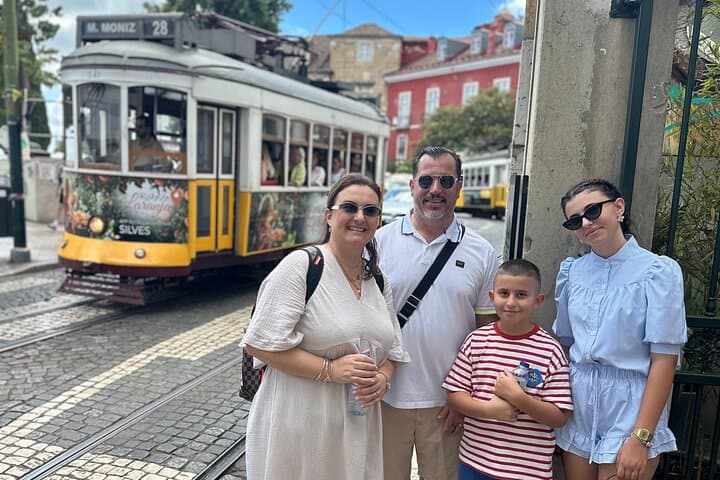
You step out above the city where tiles catch the late light and the Tagus river pulls the eye toward the 25th of April Bridge. The guide — Croco-branded and local — leads you downhill through a sequenced map of miradouros, narrow alleys and terraced viewpoints, pausing where the city’s angles open into panoramas and the scent of coffee drifts from a corner café.
You step out above the city where tiles catch the late light and the Tagus river pulls the eye toward the 25th of April Bridge. The guide — Croco-branded and local — leads you downhill through a sequenced map of miradouros, narrow alleys and terraced viewpoints, pausing where the city’s angles open into panoramas and the scent of coffee drifts from a corner café.
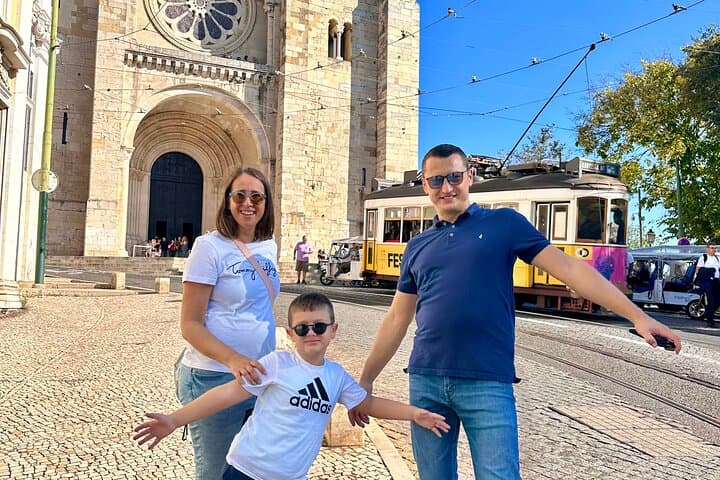
The walk threads Lisbon’s seismic past and maritime rise: azulejos that narrate the Reconquista and empire, Gothic stone at the cathedral built on a former mosque, and the visible scars and rebuilding after the 1755 earthquake. The route visits Alfama — the neighbourhood that kept its bones — Rossio’s patterned pavements, the Carmo Convent ruins tied to the Carnation Revolution, and a working tile workshop where artisans shape centuries-old techniques.
Culture is as tactile as the guide’s stories: a sip of ginjinha, a custard tart at Time Out Market and a stop in the world’s oldest bookstore connect taste, text and place. Geology shows itself in the steep, granitic hills that define Lisbon’s downhill rhythm; the city practically pushes you toward the river.
Practical guidance: plan for 3–5 hours, wear sturdy walking shoes for cobbled streets and stairs, bring a refillable water bottle, and expect frequent short stops for photos and explanations. Morning or late-afternoon departures avoid the hottest sun and make miradouro light better for pictures. The tour is customizable and private, ideal for visitors who want concentrated history with culinary sampling and local tips.