THE ADVENTURE COLLECTIVE® · Independent discovery and booking for outdoor travel

Learn to ride the Atlantic with expert instructors on the Cascais coast. This two-hour group lesson combines practical ocean safety, hands-on coaching, and optional in-water photography for first-time surfers.
Learn to ride the Atlantic with expert instructors on the Cascais coast. This two-hour group lesson combines practical ocean safety, hands-on coaching, and optional in-water photography for first-time surfers.
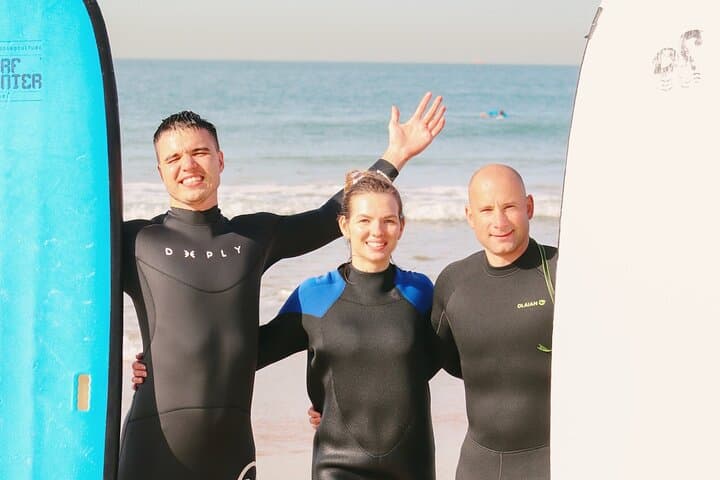
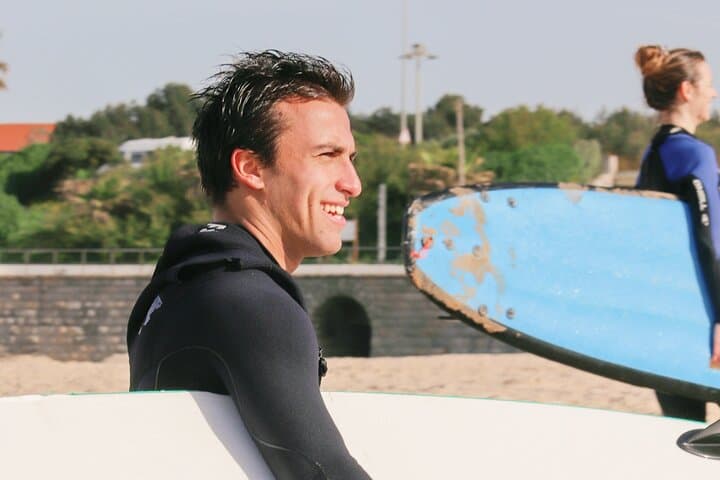
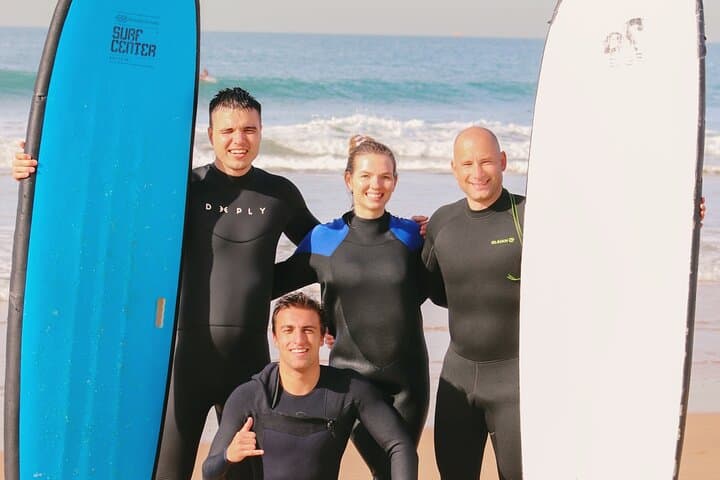
A cold Atlantic wind pushes a clean set toward shore and the beach answers with whitewater that dares you to stand. On the sand, a small group gathers around an instructor who breaks the ocean into rules you can learn: paddle, pop up, ride. Photographers sometimes slip into the water to freeze those first unclipped moments—board nose lifting, grin widening.
Verified experiences and guided adventures in the surrounding area.
Operated by Pitaya Surf School · Cascais, Lisbon District
A cold Atlantic wind pushes a clean set toward shore and the beach answers with whitewater that dares you to stand. On the sand, a small group gathers around an instructor who breaks the ocean into rules you can learn: paddle, pop up, ride. Photographers sometimes slip into the water to freeze those first unclipped moments—board nose lifting, grin widening.
This coastline wears its history plainly: Cascais began as a fishing town and royal retreat, its headlands and cliffs shaped by the same Atlantic forces that deliver swell. Geology here means sand beaches framed by volcanic and limestone outcrops; current and tide dictate where waves break, and local surf culture has grown from weekend fishermen to a tight-knit surf community stretching from Carcavelos to Guincho.
Expect a practical, two-hour lesson rhythm: warm-up and ocean safety on the sand, equipment setup, guided paddling into gentle whitewater, and coached attempts to stand. Instructors emphasize timing and body position more than bravado. Conditions vary—mornings often bring cleaner lines, afternoons more wind—but small class sizes and quality wetsuits make the learning curve manageable.
Plan for basic swimming comfort, sun and wind protection, and shoes for rocky access points. The session is ideal for first-timers or those refining fundamentals; photographers and instructors can make a short progress loop feel satisfying and fast. Leave the beach cleaner than you found it and respect local rules: surf zones, swimmers, and marine life all have a stake in how long these waves stay welcoming.
easy.
2 hours.
Suitable for most fitness levels; be comfortable in the water and able to tread or swim short distances
No — the school supplies surfboards and wetsuits appropriate for the season; bring your swimwear and a towel.
Lessons are typically open to most ages and fitness levels, but you should be comfortable in the water and able to follow basic safety instructions; disclose medical issues when booking.
Sessions may be canceled or rescheduled for safety; the operator generally offers full refunds for cancellations due to bad weather if done within the stated policy window.
Lessons operate on beaches along the Lisbon-Cascais stretch—spots like Carcavelos or nearby Cascais beaches—chosen day-to-day for the safest beginner conditions.
Cascais evolved from a fishing village into a favored retreat for Portuguese royalty; its coastal geography and ports shaped a local maritime culture that later embraced surfing.
Much of this coast touches the Sintra-Cascais Natural Park—respect marked areas, avoid trampling dunes, and participate in local beach clean-ups to reduce plastic and preserve surf access.
Pitaya Surf School operates guided outdoor trips and adventures with an emphasis on safety, stewardship, and memorable experiences.
A cold Atlantic wind pushes a clean set toward shore and the beach answers with whitewater that dares you to stand. On the sand, a small group gathers around an instructor who breaks the ocean into rules you can learn: paddle, pop up, ride. Photographers sometimes slip into the water to freeze those first unclipped moments—board nose lifting, grin widening.
A cold Atlantic wind pushes a clean set toward shore and the beach answers with whitewater that dares you to stand. On the sand, a small group gathers around an instructor who breaks the ocean into rules you can learn: paddle, pop up, ride. Photographers sometimes slip into the water to freeze those first unclipped moments—board nose lifting, grin widening.
This coastline wears its history plainly: Cascais began as a fishing town and royal retreat, its headlands and cliffs shaped by the same Atlantic forces that deliver swell. Geology here means sand beaches framed by volcanic and limestone outcrops; current and tide dictate where waves break, and local surf culture has grown from weekend fishermen to a tight-knit surf community stretching from Carcavelos to Guincho.
Expect a practical, two-hour lesson rhythm: warm-up and ocean safety on the sand, equipment setup, guided paddling into gentle whitewater, and coached attempts to stand. Instructors emphasize timing and body position more than bravado. Conditions vary—mornings often bring cleaner lines, afternoons more wind—but small class sizes and quality wetsuits make the learning curve manageable.
Plan for basic swimming comfort, sun and wind protection, and shoes for rocky access points. The session is ideal for first-timers or those refining fundamentals; photographers and instructors can make a short progress loop feel satisfying and fast. Leave the beach cleaner than you found it and respect local rules: surf zones, swimmers, and marine life all have a stake in how long these waves stay welcoming.