THE ADVENTURE COLLECTIVE® · Independent discovery and booking for outdoor travel

See Alfama, Mouraria and Graça from a nimble tuk tuk that slips down alleys and climbs to miradouros most vehicles can’t reach. This 90-minute guided route pairs local storytelling with curated photo stops for first-time and repeat visitors alike.
See Alfama, Mouraria and Graça from a nimble tuk tuk that slips down alleys and climbs to miradouros most vehicles can’t reach. This 90-minute guided route pairs local storytelling with curated photo stops for first-time and repeat visitors alike.
The tuk tuk hums through cobbled alleys as sunlight slides down the terracotta roofs and the Tagus dares you to look further. In a 90-minute loop around Alfama, Mouraria and Graça, the driver-guide picks lines too tight for buses and stops at viewpoints where the city reveals itself in stages: tile-clad façades, laundry-strung balconies, and the sweep of river toward the 25 de Abril bridge.
Verified experiences and guided adventures in the surrounding area.
Operated by Mahiuddin Fahim · Lisbon, Lisbon
The tuk tuk hums through cobbled alleys as sunlight slides down the terracotta roofs and the Tagus dares you to look further. In a 90-minute loop around Alfama, Mouraria and Graça, the driver-guide picks lines too tight for buses and stops at viewpoints where the city reveals itself in stages: tile-clad façades, laundry-strung balconies, and the sweep of river toward the 25 de Abril bridge.
Lisbon wears its history on its walls. Alfama grew from Moorish quarters into a medieval fishermen’s neighborhood and later survived the 1755 earthquake that reshaped the city’s grid. Geologically, the city rises on low hills of compacted sediment and clay above the Tagus estuary; the slopes create the miradouros (viewpoints) that make this ride rewarding. Culture here is tactile — Fado drifting from a doorway, azulejos telling civic stories, and markets where local life moves at its own pace.
Expect tailored stops: Sé Cathedral, Miradouro da Senhora do Monte or Santa Luzia, Praça do Comércio glimpsed from side streets, and Pink Street in Cais do Sodré. Guides commonly weave oral history, street art notes, and photo-ready vantage points into the route.
Practical guidance: the tour is physically easy but involves some standing at overlooks; mornings and golden hour afternoons offer the best light and cooler temperatures. Wear comfortable shoes for short walks off the tuk tuk, carry a light layer for wind off the river, and bring a compact camera — the best frames come from unexpected alleys.
easy.
1–1.5 hours.
Suitable for most fitness levels; minimal walking required but involves short uneven surfaces when disembarking.
Yes; the tour notes stroller access and is family-friendly, though very young children should remain seated and supervised during movement.
Stops include viewpoints and exterior sights; entrance fees for museums or interiors like the cathedral are not included unless specified by the operator.
Guides commonly speak English and Portuguese; confirm language needs at booking to ensure availability.
Full refund available if canceled at least 24 hours before departure; same-day cancellations are typically nonrefundable.
Alfama preserves Lisbon’s Moorish street pattern and was a core neighborhood before and after the 1755 earthquake that reshaped much of the city.
Respectful touring helps reduce impact—choose licensed tuk tuk operators, avoid loud music in residential lanes, and carry out any waste to keep historic streets clean.
Mahiuddin Fahim operates guided outdoor trips and adventures with an emphasis on safety, stewardship, and memorable experiences.
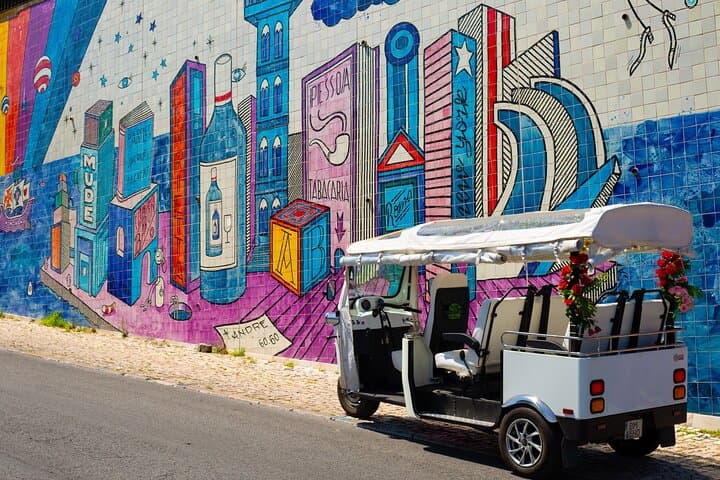
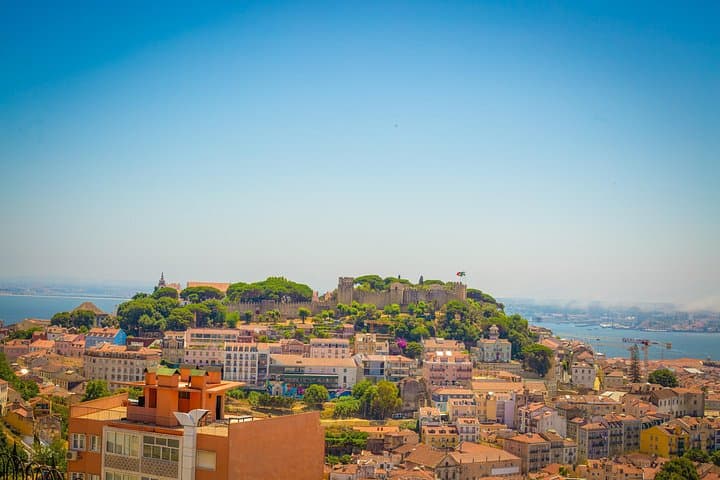
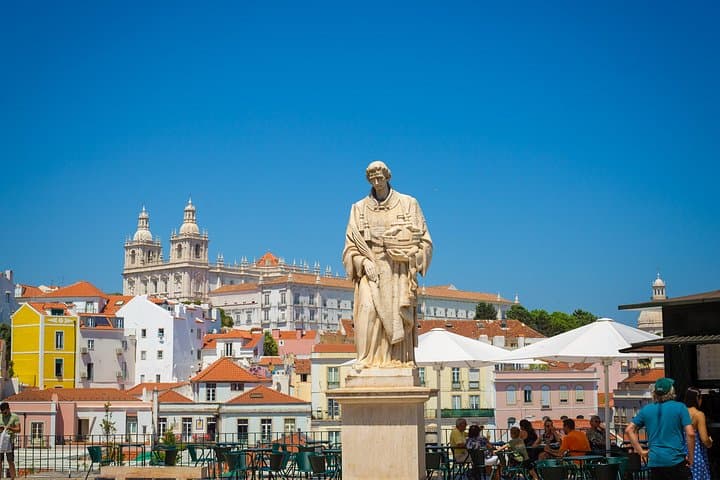
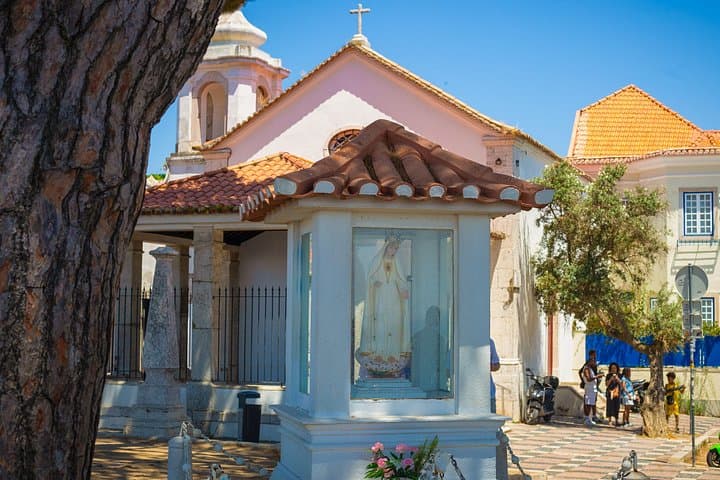
The tuk tuk hums through cobbled alleys as sunlight slides down the terracotta roofs and the Tagus dares you to look further. In a 90-minute loop around Alfama, Mouraria and Graça, the driver-guide picks lines too tight for buses and stops at viewpoints where the city reveals itself in stages: tile-clad façades, laundry-strung balconies, and the sweep of river toward the 25 de Abril bridge.
The tuk tuk hums through cobbled alleys as sunlight slides down the terracotta roofs and the Tagus dares you to look further. In a 90-minute loop around Alfama, Mouraria and Graça, the driver-guide picks lines too tight for buses and stops at viewpoints where the city reveals itself in stages: tile-clad façades, laundry-strung balconies, and the sweep of river toward the 25 de Abril bridge.
Lisbon wears its history on its walls. Alfama grew from Moorish quarters into a medieval fishermen’s neighborhood and later survived the 1755 earthquake that reshaped the city’s grid. Geologically, the city rises on low hills of compacted sediment and clay above the Tagus estuary; the slopes create the miradouros (viewpoints) that make this ride rewarding. Culture here is tactile — Fado drifting from a doorway, azulejos telling civic stories, and markets where local life moves at its own pace.
Expect tailored stops: Sé Cathedral, Miradouro da Senhora do Monte or Santa Luzia, Praça do Comércio glimpsed from side streets, and Pink Street in Cais do Sodré. Guides commonly weave oral history, street art notes, and photo-ready vantage points into the route.
Practical guidance: the tour is physically easy but involves some standing at overlooks; mornings and golden hour afternoons offer the best light and cooler temperatures. Wear comfortable shoes for short walks off the tuk tuk, carry a light layer for wind off the river, and bring a compact camera — the best frames come from unexpected alleys.