THE ADVENTURE COLLECTIVE® · Independent discovery and booking for outdoor travel

Cover more of Lisbon’s Old Town with electric assistance: a 90-minute guided ride through Alfama to Praça do Comércio and Santa Luzia, with local flavor and short steep climbs made easy. Learn basic e-bike handling, enjoy a ginjinha, and see Lisbon’s river-facing viewpoints without wearing yourself out.
Cover more of Lisbon’s Old Town with electric assistance: a 90-minute guided ride through Alfama to Praça do Comércio and Santa Luzia, with local flavor and short steep climbs made easy. Learn basic e-bike handling, enjoy a ginjinha, and see Lisbon’s river-facing viewpoints without wearing yourself out.
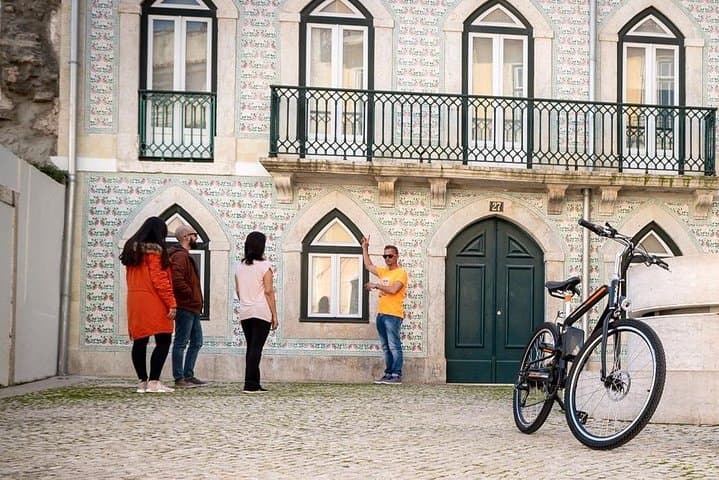
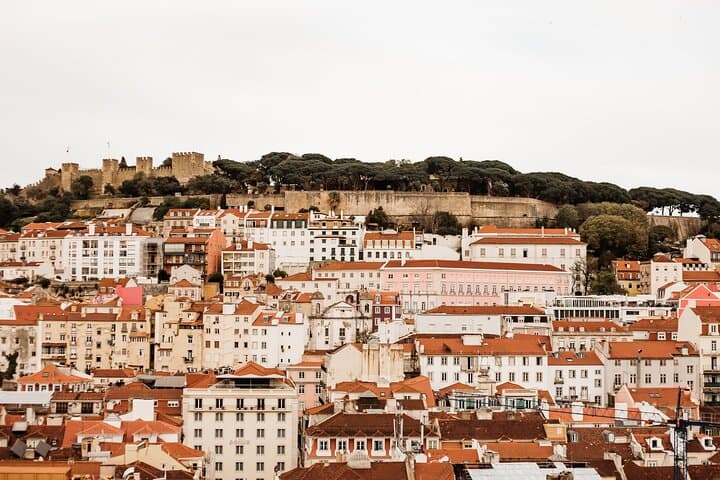
You roll out from the riverfront and the city changes rhythm: cobbled alleys tighten, laundry flutters from windows, and the Tagus opens at your shoulder. An electric assist hums under you as the guide steers toward Alfama’s maze, pausing where the streets unfurl into terraces with views over red roofs and the river.
Verified experiences and guided adventures in the surrounding area.
Operated by SITGO · Lisbon, Lisbon
You roll out from the riverfront and the city changes rhythm: cobbled alleys tighten, laundry flutters from windows, and the Tagus opens at your shoulder. An electric assist hums under you as the guide steers toward Alfama’s maze, pausing where the streets unfurl into terraces with views over red roofs and the river.
Alfama is Lisbon’s oldest quarter, shaped by centuries of Moorish street patterns and later refashioned after the 1755 earthquake. Geologically the city sits on seven hills above the Tagus estuary, which gives every short climb a tangible reward. Culture in these lanes is live—fado notes from a doorway, tile-fronted houses, and small kiosks selling ginjinha, the cherry liqueur you’ll be offered as part of the route.
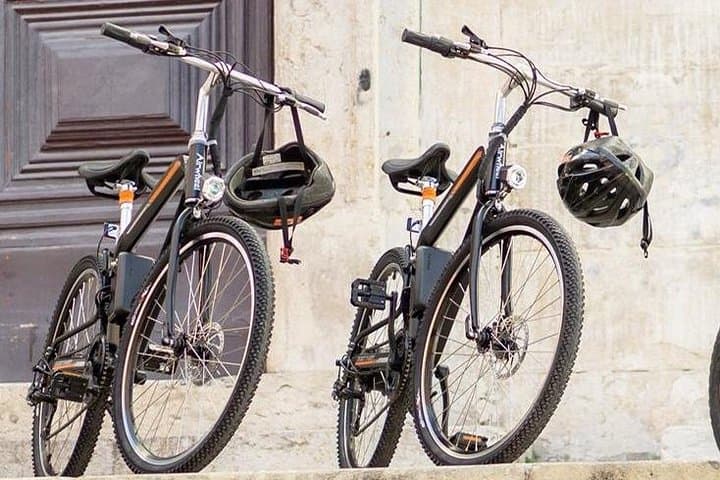
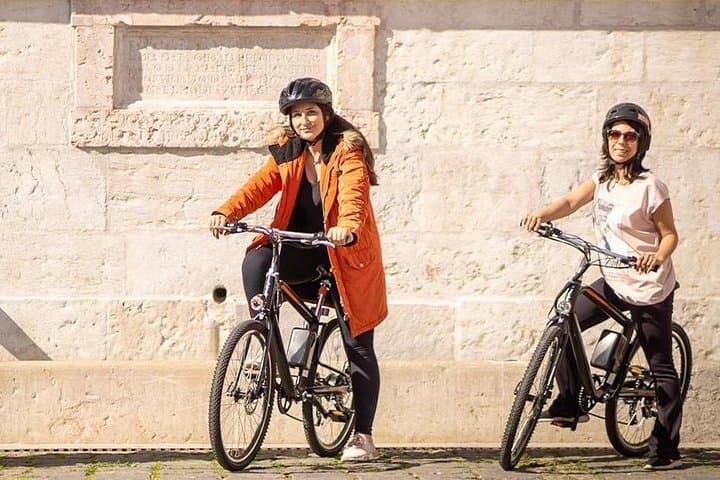
Practically, this is a guided 90-minute circuit that covers Praça do Comércio, Lisbon Cathedral, the Santa Luzia viewpoint and passing vantage points—designed to let the e-bike do the steep work so you can look up and take pictures. Guides brief riders on basic e-bike handling and local traffic norms before starting. Expect narrow cobbles, occasional tram tracks, and short, sharp inclines rather than long climbs. Minimum rider height is about 1.35 m and a moderate level of fitness helps for balance and repeated starts on slopes.
Bring a charged phone, closed-toe shoes, a light layer for river breezes, and modest cash for a second ginjinha or a quick snack. Tours run year-round but wear rain protection in winter and sun protection in summer.
moderate.
1.5 hours.
Moderate — comfortable on a bike, able to mount/dismount and stand briefly on inclines
No. Guides provide a short briefing and the electric assist makes pedaling easier; riders should be comfortable balancing on a bicycle and following city traffic rules.
Yes—participants are offered a taste of ginjinha during the route as part of the local-flavor inclusions.
Meeting instructions are provided after booking; tours typically start in central Lisbon near the riverfront and are accessible by public transport.
Helmets are commonly provided by city tour operators but policies vary—confirm with the operator before arrival if you prefer your own.
Alfama retains a medieval street plan shaped by Moorish occupation and later rebuilt after the catastrophic 1755 earthquake; its lanes preserve Lisbon’s oldest urban fabric.
Stick to marked streets and avoid tram tracks when stopped; small-group guided tours help reduce crowding and support local businesses rather than large-scale impacts.
SITGO operates guided outdoor trips and adventures with an emphasis on safety, stewardship, and memorable experiences.
You roll out from the riverfront and the city changes rhythm: cobbled alleys tighten, laundry flutters from windows, and the Tagus opens at your shoulder. An electric assist hums under you as the guide steers toward Alfama’s maze, pausing where the streets unfurl into terraces with views over red roofs and the river.
You roll out from the riverfront and the city changes rhythm: cobbled alleys tighten, laundry flutters from windows, and the Tagus opens at your shoulder. An electric assist hums under you as the guide steers toward Alfama’s maze, pausing where the streets unfurl into terraces with views over red roofs and the river.
Alfama is Lisbon’s oldest quarter, shaped by centuries of Moorish street patterns and later refashioned after the 1755 earthquake. Geologically the city sits on seven hills above the Tagus estuary, which gives every short climb a tangible reward. Culture in these lanes is live—fado notes from a doorway, tile-fronted houses, and small kiosks selling ginjinha, the cherry liqueur you’ll be offered as part of the route.
Practically, this is a guided 90-minute circuit that covers Praça do Comércio, Lisbon Cathedral, the Santa Luzia viewpoint and passing vantage points—designed to let the e-bike do the steep work so you can look up and take pictures. Guides brief riders on basic e-bike handling and local traffic norms before starting. Expect narrow cobbles, occasional tram tracks, and short, sharp inclines rather than long climbs. Minimum rider height is about 1.35 m and a moderate level of fitness helps for balance and repeated starts on slopes.
Bring a charged phone, closed-toe shoes, a light layer for river breezes, and modest cash for a second ginjinha or a quick snack. Tours run year-round but wear rain protection in winter and sun protection in summer.