THE ADVENTURE COLLECTIVE® · Independent discovery and booking for outdoor travel

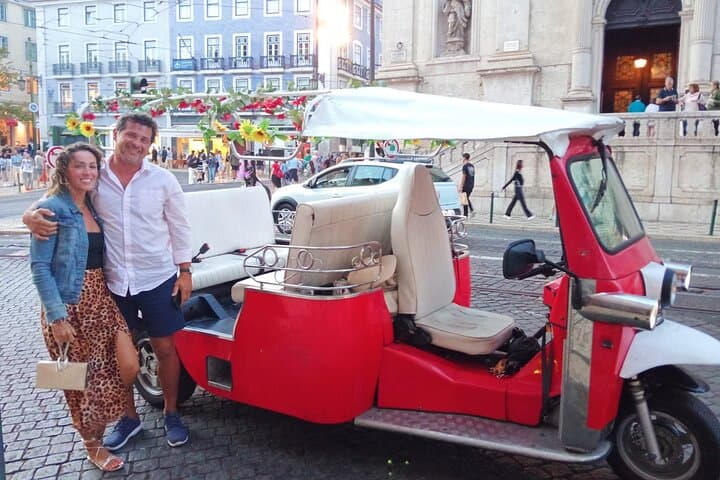
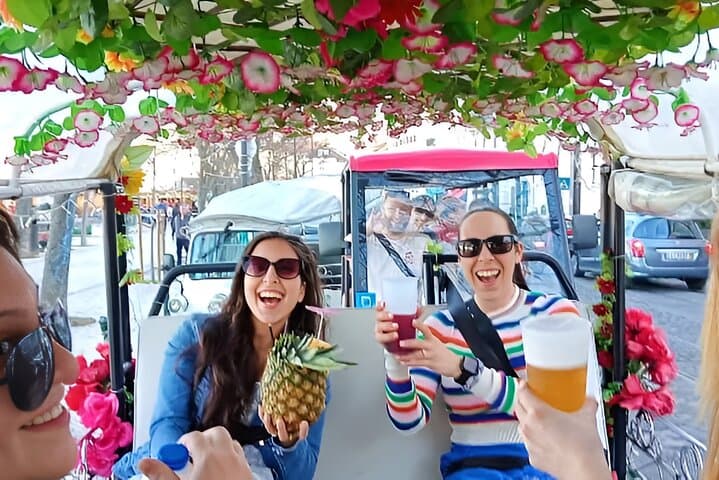
Zip through Alfama’s steep lanes in an electric tuk‑tuk and catch postcard views of the Tagus, Lisbon Cathedral, and hidden miradouros. This private 90–240 minute tour pairs on‑street stories with easy stops for photos and short walks.
Zip through Alfama’s steep lanes in an electric tuk‑tuk and catch postcard views of the Tagus, Lisbon Cathedral, and hidden miradouros. This private 90–240 minute tour pairs on‑street stories with easy stops for photos and short walks.
The tuk‑tuk hums up a narrow cobbled lane and the city opens in slices: tile façades flash, laundry flutters, and the Tagus dares you to look out over its wide mouth.
Verified experiences and guided adventures in the surrounding area.
Operated by LX GREEN TOURS · Lisbon, Lisbon
The tuk‑tuk hums up a narrow cobbled lane and the city opens in slices: tile façades flash, laundry flutters, and the Tagus dares you to look out over its wide mouth.
This private electric tuk‑tuk route threads the oldest districts of Lisbon—Alfama, Graça and São Vicente—delivering quick stops at Praça do Comércio, Lisbon Cathedral, Miradouro de Santa Luzia and Senhora do Monte. The streets here keep fingerprints of many eras: Roman and Moorish substrata beneath the Sé, 18th‑century reconstruction after the 1755 earthquake, and the slow accretion of fado houses and azulejo panels that speak of daily life.
Geology and geography shape the ride: the city sits on folded limestone hills above the Tagus estuary, so expect steep, short climbs and dramatic viewpoints rather than long flat promenades. Cultural notes travel with the guide—stories of saints, sailors, and saudade—while the electric vehicle lets you glide without the urban roar.
Practically, tours run 90–240 minutes and are best early or late in the day to avoid heat and narrow‑street congestion. Wear comfortable, grip‑soled shoes for short disembarks on uneven cobbles; bring a light layer for breezy miradouros and sun protection for open plazas. Photography opportunities are frequent—keep cameras ready but be mindful of residents and tight alleyways when stepping out.
This experience balances effortless transport with on‑street immersion: you see the city’s high points without exhausting the legs, learn local history in small, well‑timed bites, and leave with a clearer sense of why Lisbon’s hills and river keep calling visitors back.
easy.
1.5–4 hours.
Suitable for most fitness levels; you should be able to climb short flights of steps and walk short cobbled sections.
Yes—tours use electric tuk‑tuks for quieter, lower‑emission cruising through narrow streets.
Infants and small children in strollers are accommodated, but full wheelchair accessibility varies—contact the operator to confirm vehicle access and any transfer assistance.
The operator may cancel for bad weather; full refunds are typically available if you cancel at least 24 hours before the tour—check your booking confirmation for specifics.
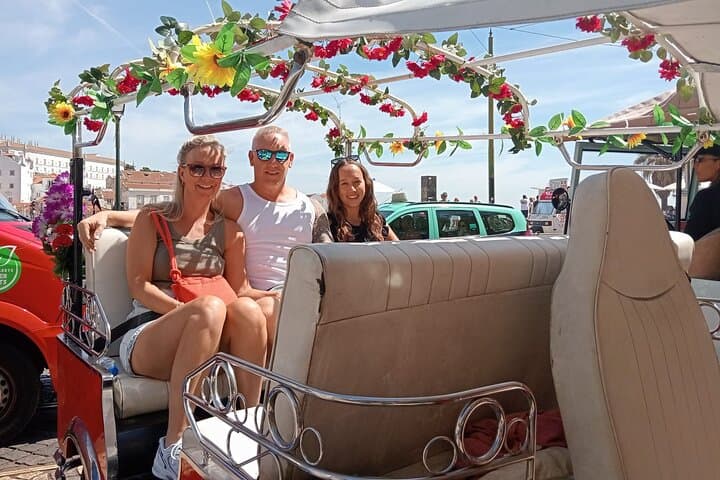
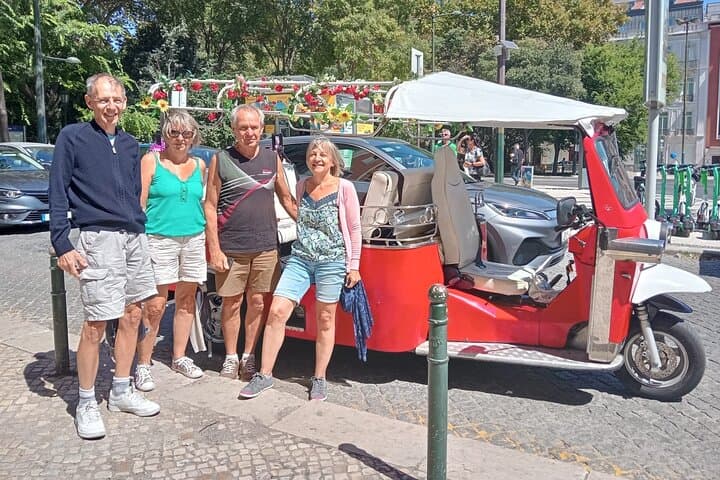
Tuk‑tuks are small vehicles suitable for private parties; capacity varies by model—confirm maximum passenger count when booking.
Alfama is Lisbon’s oldest quarter with roots in Roman and Moorish settlement; much of the city’s later street pattern was reshaped after the catastrophic 1755 earthquake and subsequent Pombaline rebuild.
Electric tuk‑tuks cut noise and emissions compared with larger tour buses, but respect for narrow residential streets and local life reduces tourism strain—avoid loud behavior and littering.
LX GREEN TOURS operates guided outdoor trips and adventures with an emphasis on safety, stewardship, and memorable experiences.
The tuk‑tuk hums up a narrow cobbled lane and the city opens in slices: tile façades flash, laundry flutters, and the Tagus dares you to look out over its wide mouth.
The tuk‑tuk hums up a narrow cobbled lane and the city opens in slices: tile façades flash, laundry flutters, and the Tagus dares you to look out over its wide mouth.
This private electric tuk‑tuk route threads the oldest districts of Lisbon—Alfama, Graça and São Vicente—delivering quick stops at Praça do Comércio, Lisbon Cathedral, Miradouro de Santa Luzia and Senhora do Monte. The streets here keep fingerprints of many eras: Roman and Moorish substrata beneath the Sé, 18th‑century reconstruction after the 1755 earthquake, and the slow accretion of fado houses and azulejo panels that speak of daily life.
Geology and geography shape the ride: the city sits on folded limestone hills above the Tagus estuary, so expect steep, short climbs and dramatic viewpoints rather than long flat promenades. Cultural notes travel with the guide—stories of saints, sailors, and saudade—while the electric vehicle lets you glide without the urban roar.
Practically, tours run 90–240 minutes and are best early or late in the day to avoid heat and narrow‑street congestion. Wear comfortable, grip‑soled shoes for short disembarks on uneven cobbles; bring a light layer for breezy miradouros and sun protection for open plazas. Photography opportunities are frequent—keep cameras ready but be mindful of residents and tight alleyways when stepping out.
This experience balances effortless transport with on‑street immersion: you see the city’s high points without exhausting the legs, learn local history in small, well‑timed bites, and leave with a clearer sense of why Lisbon’s hills and river keep calling visitors back.