THE ADVENTURE COLLECTIVE® · Independent discovery and booking for outdoor travel

Explore Lisbon’s Oceanário with a practical guide: what to expect, the best time to visit, and why the central 5-million-liter tank is worth the 2–3 hour stop. Includes accessibility notes and the latest on the Antarctic habitat.
Explore Lisbon’s Oceanário with a practical guide: what to expect, the best time to visit, and why the central 5-million-liter tank is worth the 2–3 hour stop. Includes accessibility notes and the latest on the Antarctic habitat.
You step off the riverside promenade and the Oceanário’s curved concrete face opens like a harbor wall, the scent of the Tagus lingering behind you while the building draws you toward a different sea.
Verified experiences and guided adventures in the surrounding area.
Operated by Oceanário de Lisboa · Lisbon, Lisbon
You step off the riverside promenade and the Oceanário’s curved concrete face opens like a harbor wall, the scent of the Tagus lingering behind you while the building draws you toward a different sea.
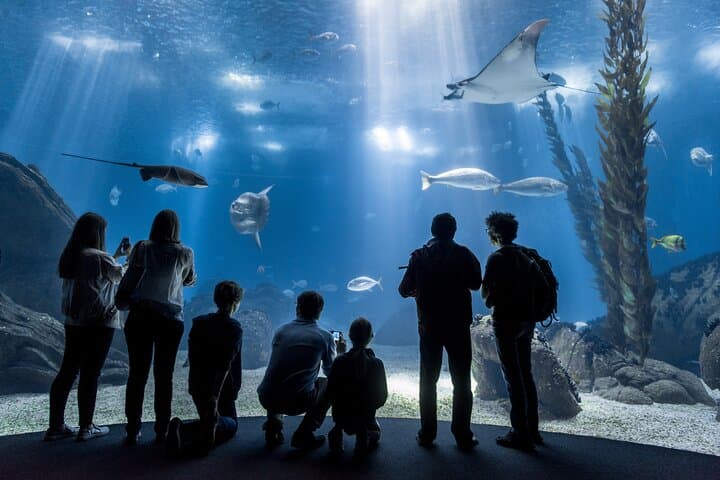
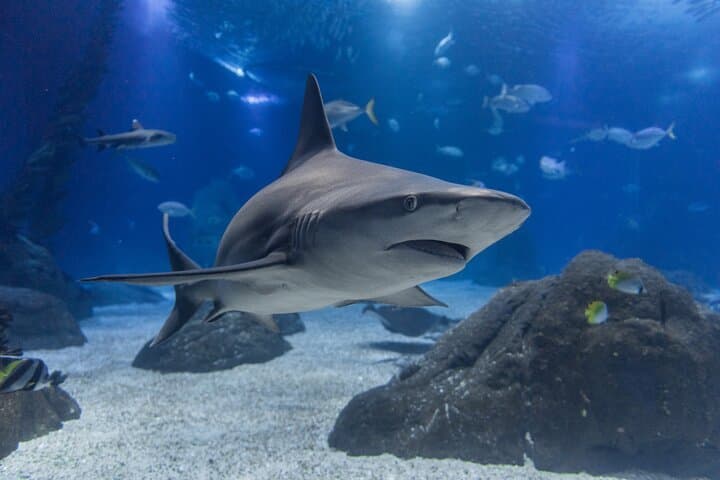
Opened for Expo ’98, the Oceanário de Lisboa centers on a 5-million-liter central tank surrounded by four habitats—North Atlantic, Antarctic (temporarily closed), Temperate Pacific and Tropical Indian—designed to read as one continuous ocean. The architecture and exhibits reflect late-20th-century ambitions to marry public education with conservation; the site helped reposition Parque das Nações from industrial docks to a modern cultural quarter.
Geology here is mostly urban reclamation—landfills and river terraces reshaped for the expo—yet the displays reference real-world oceanography: currents that gather life, upwellings that feed plankton, and reef structures that shelter juveniles. Local culture around the Tagus is maritime; fish markets, seafood restaurants and maritime museums make an aquarium visit a natural waypoint.
Practical guidance: plan 2–3 hours, arrive midday to catch feeding talks, and buy a mobile ticket for faster entry. Bring a light layer—the galleries are cool and dim to protect exhibits—and allow extra time for the temporary exhibitions “Submerged Universe” and “Forests Underwater by Takashi Amano.” Note the Antarctic Habitat is closed and penguins will return in 2025. Accessibility is strong; nearly all surfaces and transport links are wheelchair friendly.
Whether you’re after family-friendly discovery or a focused study of ocean habitats, the Oceanário balances spectacle with science and leaves you looking at the sea differently.
easy.
2–3 hours.
Suitable for all fitness levels; minimal walking on flat, accessible routes.
Yes—tickets are mobile or paper and accepted on arrival; buying ahead lets you enter within your chosen window.
Yes—most areas, surfaces and nearby transportation are wheelchair accessible; the venue lists full accessibility support.
The Antarctic Habitat is temporarily closed and penguins are scheduled to return in 2025; check current exhibit availability before visiting.
Allocate 2–3 hours to see the central aquarium, the permanent habitats and the temporary exhibitions without rushing.
The Oceanário opened in 1998 as part of Expo ’98 and helped transform Lisbon’s northeastern docks into the contemporary Parque das Nações district.
The Oceanário runs education and research programs focused on marine conservation and encourages visitors to reduce single-use plastics and respect exhibit guidelines to minimize animal stress.
Oceanário de Lisboa operates guided outdoor trips and adventures with an emphasis on safety, stewardship, and memorable experiences.
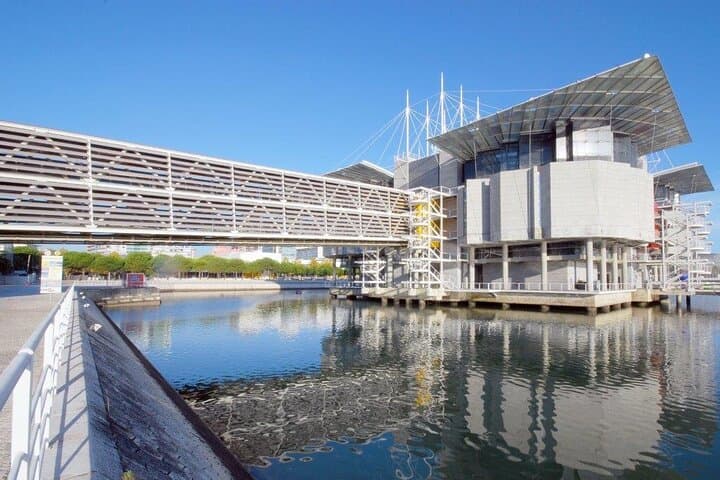

You step off the riverside promenade and the Oceanário’s curved concrete face opens like a harbor wall, the scent of the Tagus lingering behind you while the building draws you toward a different sea.
You step off the riverside promenade and the Oceanário’s curved concrete face opens like a harbor wall, the scent of the Tagus lingering behind you while the building draws you toward a different sea.
Opened for Expo ’98, the Oceanário de Lisboa centers on a 5-million-liter central tank surrounded by four habitats—North Atlantic, Antarctic (temporarily closed), Temperate Pacific and Tropical Indian—designed to read as one continuous ocean. The architecture and exhibits reflect late-20th-century ambitions to marry public education with conservation; the site helped reposition Parque das Nações from industrial docks to a modern cultural quarter.
Geology here is mostly urban reclamation—landfills and river terraces reshaped for the expo—yet the displays reference real-world oceanography: currents that gather life, upwellings that feed plankton, and reef structures that shelter juveniles. Local culture around the Tagus is maritime; fish markets, seafood restaurants and maritime museums make an aquarium visit a natural waypoint.
Practical guidance: plan 2–3 hours, arrive midday to catch feeding talks, and buy a mobile ticket for faster entry. Bring a light layer—the galleries are cool and dim to protect exhibits—and allow extra time for the temporary exhibitions “Submerged Universe” and “Forests Underwater by Takashi Amano.” Note the Antarctic Habitat is closed and penguins will return in 2025. Accessibility is strong; nearly all surfaces and transport links are wheelchair friendly.
Whether you’re after family-friendly discovery or a focused study of ocean habitats, the Oceanário balances spectacle with science and leaves you looking at the sea differently.