THE ADVENTURE COLLECTIVE® · Independent discovery and booking for outdoor travel

Walk Lisbon’s oldest quarters at sunset, taste ginjinha, and finish with a three-course Portuguese dinner while absorbing an intimate Fado performance. This four-hour night tour pairs panoramic viewpoints with culinary and musical tradition.
Walk Lisbon’s oldest quarters at sunset, taste ginjinha, and finish with a three-course Portuguese dinner while absorbing an intimate Fado performance. This four-hour night tour pairs panoramic viewpoints with culinary and musical tradition.
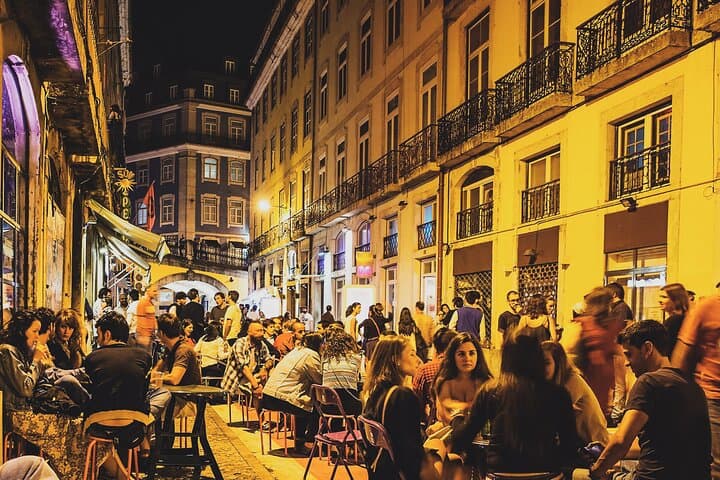
The sun slides behind the 25 de Abril bridge and the Tagus dares you to linger a moment longer. You begin at Restauradores Square, the air cooling as the city switches from errands to evening ritual. Cobblestones click underfoot while narrow lanes in Mouraria and Alfama funnel you toward miradouros where rooftop chimneys silhouette São Jorge Castle.
Verified experiences and guided adventures in the surrounding area.
Operated by Friendly Local Guides · Lisbon, Lisbon
The sun slides behind the 25 de Abril bridge and the Tagus dares you to linger a moment longer. You begin at Restauradores Square, the air cooling as the city switches from errands to evening ritual. Cobblestones click underfoot while narrow lanes in Mouraria and Alfama funnel you toward miradouros where rooftop chimneys silhouette São Jorge Castle.
Alfama’s winding streets recall Lisbon’s Moorish past; many façades still wear the tilework and street patterns that survived the 1755 earthquake. Mouraria preserves a multicultural thread — here fado found voice in taverns and alleys where fishermen and immigrants shared music. The geology of the city—steep granite and clay hills—creates those intimate viewpoints that frame the Tagus, the bridge, and the castle in a single glance.
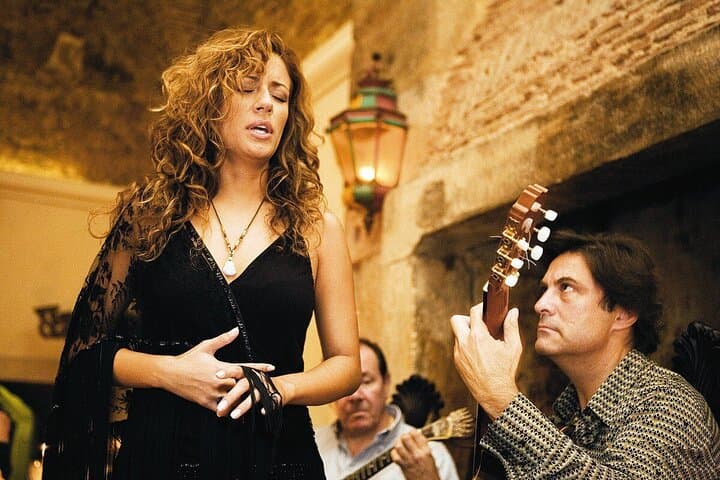
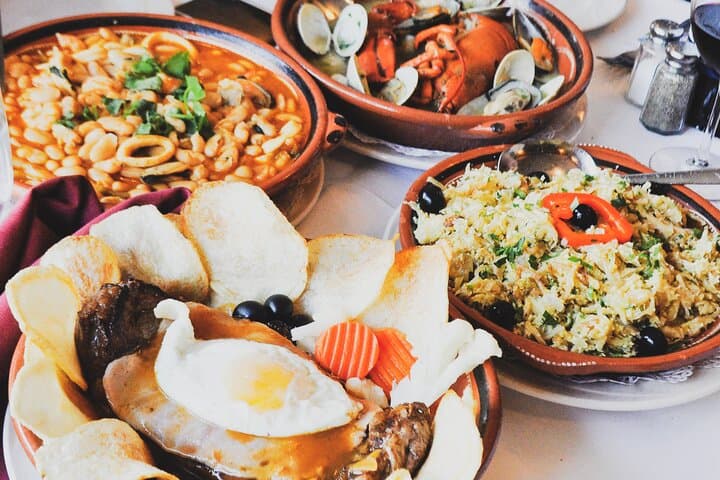
On this four-hour walk you’ll taste ginjinha, stand at Chão do Loureiro for sunset, then settle into a traditional restaurant for a three-course Portuguese meal while live fado is performed. Expect plaintive guitar and voice that ask as much silence as applause; fado venues favor restraint and respect.
Practicalities: sturdy shoes for uneven cobbles, a light jacket for breezy river nights, and small cash for after-dinner drinks. The route is largely on foot with short uphill stretches—moderate pace—and public transit links back to central hotels. Tell your guide about dietary restrictions when booking, and remember fado houses value low conversation and attentive listening: the music is part of the meal.
moderate.
4 hours.
Comfortable walking fitness; able to manage short uphill cobbled sections and standing during the show.
The tour runs about four hours and is timed to include sunset; specific start times vary by season—check your booking confirmation.
Yes; the three-course dinner includes a live Fado show as part of the experience.
There are short steep cobbled stretches common in Alfama and Mouraria; good footwear makes the route manageable for most people with moderate fitness.
Yes—advise the operator of allergies or dietary needs at booking so the restaurant can prepare options.
Alfama preserves Lisbon’s oldest street plan from the Moorish period and retained much of its character after the 1755 earthquake, making it a living record of the city’s layered past.
Support small, local restaurants and listen to venue rules—minimizing noise and waste helps preserve the intimate fado tradition and fragile cobbled streets.
Friendly Local Guides operates guided outdoor trips and adventures with an emphasis on safety, stewardship, and memorable experiences.

The sun slides behind the 25 de Abril bridge and the Tagus dares you to linger a moment longer. You begin at Restauradores Square, the air cooling as the city switches from errands to evening ritual. Cobblestones click underfoot while narrow lanes in Mouraria and Alfama funnel you toward miradouros where rooftop chimneys silhouette São Jorge Castle.
The sun slides behind the 25 de Abril bridge and the Tagus dares you to linger a moment longer. You begin at Restauradores Square, the air cooling as the city switches from errands to evening ritual. Cobblestones click underfoot while narrow lanes in Mouraria and Alfama funnel you toward miradouros where rooftop chimneys silhouette São Jorge Castle.
Alfama’s winding streets recall Lisbon’s Moorish past; many façades still wear the tilework and street patterns that survived the 1755 earthquake. Mouraria preserves a multicultural thread — here fado found voice in taverns and alleys where fishermen and immigrants shared music. The geology of the city—steep granite and clay hills—creates those intimate viewpoints that frame the Tagus, the bridge, and the castle in a single glance.
On this four-hour walk you’ll taste ginjinha, stand at Chão do Loureiro for sunset, then settle into a traditional restaurant for a three-course Portuguese meal while live fado is performed. Expect plaintive guitar and voice that ask as much silence as applause; fado venues favor restraint and respect.
Practicalities: sturdy shoes for uneven cobbles, a light jacket for breezy river nights, and small cash for after-dinner drinks. The route is largely on foot with short uphill stretches—moderate pace—and public transit links back to central hotels. Tell your guide about dietary restrictions when booking, and remember fado houses value low conversation and attentive listening: the music is part of the meal.