THE ADVENTURE COLLECTIVE® · Independent discovery and booking for outdoor travel

Walk Lisbon’s hills with a private guide and a three-hour route that links the Elevador da Glória, Alfama’s alleys, Chiado, Baixa and Praça do Comércio. Expect steep-but-short climbs, historic squares rebuilt after 1755, and panoramic Tagus views.
Walk Lisbon’s hills with a private guide and a three-hour route that links the Elevador da Glória, Alfama’s alleys, Chiado, Baixa and Praça do Comércio. Expect steep-but-short climbs, historic squares rebuilt after 1755, and panoramic Tagus views.
You begin at the foot of a steep street, the Elevador da Glória humming behind you as it pulls tourists and locals up toward Bairro Alto. Cobblestones click beneath your shoes, the Tagus River glints ahead and seems to dare you to keep moving—each hill reveals another terrace, another view, another slice of Lisbon life.
Verified experiences and guided adventures in the surrounding area.
Operated by Bravo Portugal Tour · Lisbon, Lisboa
You begin at the foot of a steep street, the Elevador da Glória humming behind you as it pulls tourists and locals up toward Bairro Alto. Cobblestones click beneath your shoes, the Tagus River glints ahead and seems to dare you to keep moving—each hill reveals another terrace, another view, another slice of Lisbon life.
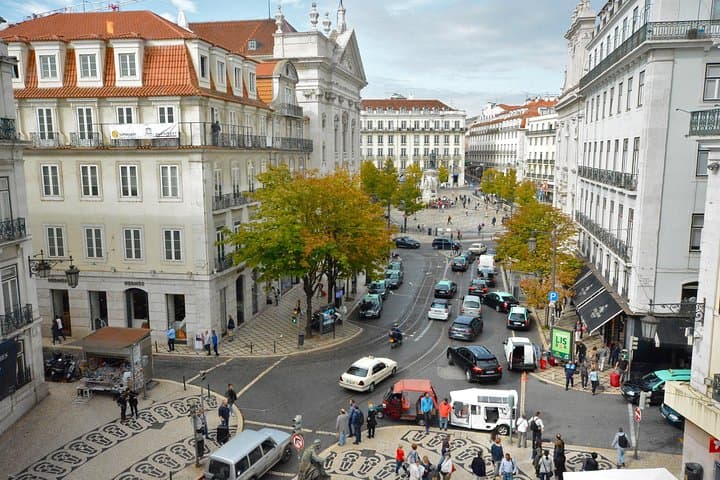
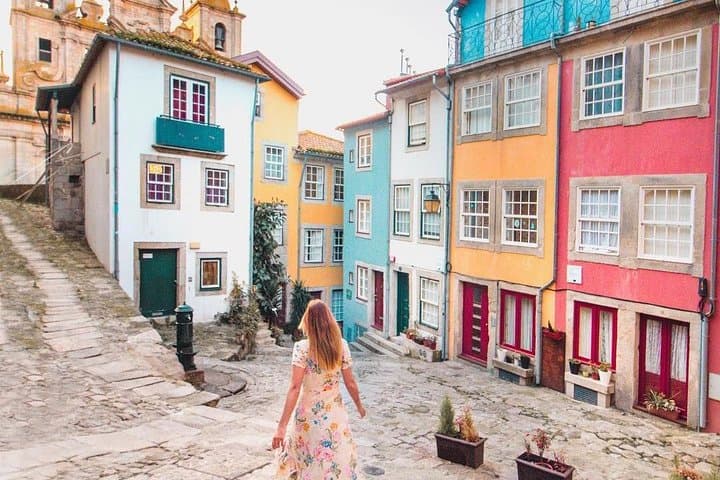
This three-hour private walking tour threads through Lisbon’s living history. Baixa’s broad squares were rebuilt after the 1755 earthquake in crisp Neoclassical lines; Alfama’s alleys still follow medieval lanes that climb toward São Jorge Castle. The Santa Justa Elevator and Carmo Convent tell a story of 19th-century innovation and 18th-century loss, while Chiado’s theaters and Bertrand Bookstore trace the city’s literary pulse.
Geology matters here: the city perches on seven hills above an estuary carved by the Tagus, so expect short, steep climbs, layered stone, and panoramic viewpoints that reward the ascent. Culture is immediate—fado drifting from a doorway, café life at Praça Luís de Camões, pastelarias offering warm pastéis de nata.
Practical guidance: this is an easy-paced urban walk but includes stairs, uneven calcetões (cobblestones) and slopes—comfortable walking shoes are essential. Morning or late-afternoon departures avoid the strongest sun and crowds around Praça do Comércio. Public transport and trams make the area accessible if you want to shorten legs.
A licensed guide personalizes the route, weaving local anecdotes with architecture and history so the city’s layers come alive without losing practical pointers on timing, transit and where to pause for coffee.
easy.
3 hours.
Suitable for most fitness levels; requires ability to walk on uneven stone and climb short flights of stairs.
Meeting points vary by booking but commonly begin near Restauradores/Rossio and conclude at Praça do Comércio on the riverfront.
Yes—this is an easy-paced walk, but participants should be able to handle cobbled streets and short stair sections; mobility limitations may make the route difficult.
Private tours typically list available languages when booking—confirm in advance to ensure a guide fluent in your preferred language.
Because the tour is private and flexible, you can often request adjustments; communicate preferences when you book or with the guide before the start.
Lisbon’s downtown was largely rebuilt in a rational grid (Baixa) after the devastating 1755 earthquake; many public squares and rebuilding efforts date to that era.
Traffic management and pedestrianised streets in central Lisbon help preserve historic pavements; visitors should avoid stepping on decorative tiles and dispose of waste at bins to protect fragile urban fabric.
Bravo Portugal Tour operates guided outdoor trips and adventures with an emphasis on safety, stewardship, and memorable experiences.
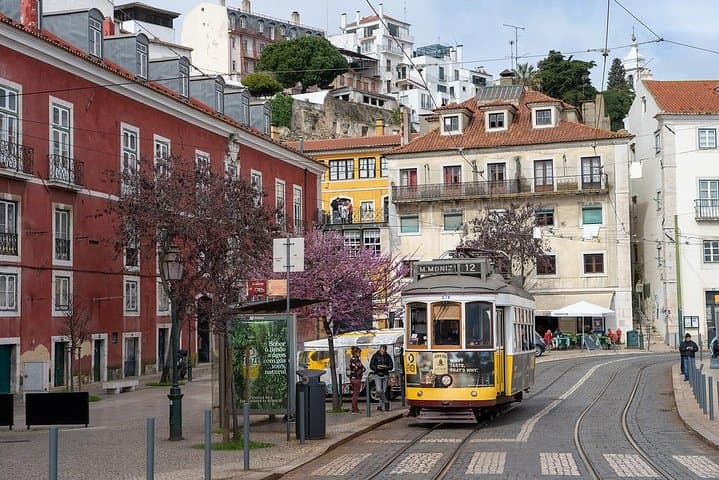
You begin at the foot of a steep street, the Elevador da Glória humming behind you as it pulls tourists and locals up toward Bairro Alto. Cobblestones click beneath your shoes, the Tagus River glints ahead and seems to dare you to keep moving—each hill reveals another terrace, another view, another slice of Lisbon life.
You begin at the foot of a steep street, the Elevador da Glória humming behind you as it pulls tourists and locals up toward Bairro Alto. Cobblestones click beneath your shoes, the Tagus River glints ahead and seems to dare you to keep moving—each hill reveals another terrace, another view, another slice of Lisbon life.
This three-hour private walking tour threads through Lisbon’s living history. Baixa’s broad squares were rebuilt after the 1755 earthquake in crisp Neoclassical lines; Alfama’s alleys still follow medieval lanes that climb toward São Jorge Castle. The Santa Justa Elevator and Carmo Convent tell a story of 19th-century innovation and 18th-century loss, while Chiado’s theaters and Bertrand Bookstore trace the city’s literary pulse.
Geology matters here: the city perches on seven hills above an estuary carved by the Tagus, so expect short, steep climbs, layered stone, and panoramic viewpoints that reward the ascent. Culture is immediate—fado drifting from a doorway, café life at Praça Luís de Camões, pastelarias offering warm pastéis de nata.
Practical guidance: this is an easy-paced urban walk but includes stairs, uneven calcetões (cobblestones) and slopes—comfortable walking shoes are essential. Morning or late-afternoon departures avoid the strongest sun and crowds around Praça do Comércio. Public transport and trams make the area accessible if you want to shorten legs.
A licensed guide personalizes the route, weaving local anecdotes with architecture and history so the city’s layers come alive without losing practical pointers on timing, transit and where to pause for coffee.