THE ADVENTURE COLLECTIVE® · Independent discovery and booking for outdoor travel

A brisk 18–20 minute helicopter hop from Lisbon gives you an unbeatable view of the Tagus estuary, Estoril's wartime glamour, and Cascais’ royal coastline. Practical advice on timing, ID, and weather helps you plan this short, high-impact flight.
A brisk 18–20 minute helicopter hop from Lisbon gives you an unbeatable view of the Tagus estuary, Estoril's wartime glamour, and Cascais’ royal coastline. Practical advice on timing, ID, and weather helps you plan this short, high-impact flight.
You lift off from Lisbon and the city shrinks beneath a patchwork of tiles and river light. The Tagus estuary opens like a silver lung, the helicopter tilting so the Atlantic coastline unfurls—Bugio lighthouse a tiny finger of safety offshore, the bulky silhouette of the São Julião fortress guarding the river mouth, then a ribbon of sand and surf that becomes Carcavelos, Estoril and, finally, Cascais.
Verified experiences and guided adventures in the surrounding area.
Operated by Lisbon Helicopters · Lisbon, Lisbon
You lift off from Lisbon and the city shrinks beneath a patchwork of tiles and river light. The Tagus estuary opens like a silver lung, the helicopter tilting so the Atlantic coastline unfurls—Bugio lighthouse a tiny finger of safety offshore, the bulky silhouette of the São Julião fortress guarding the river mouth, then a ribbon of sand and surf that becomes Carcavelos, Estoril and, finally, Cascais.
This short aerial circuit traces centuries of human and geological history: estuarine mudflats that fed Lisbon’s port, coastal headlands carved from Jurassic and Cretaceous sedimentary rock, and shorelines that turned royal leisure in Cascais and wartime intrigue in Estoril during World War II. The route highlights cultural touchstones—the gambling-era glamour of Estoril Casino and Cascais’s royal villas—seen from a vantage most visitors never get.
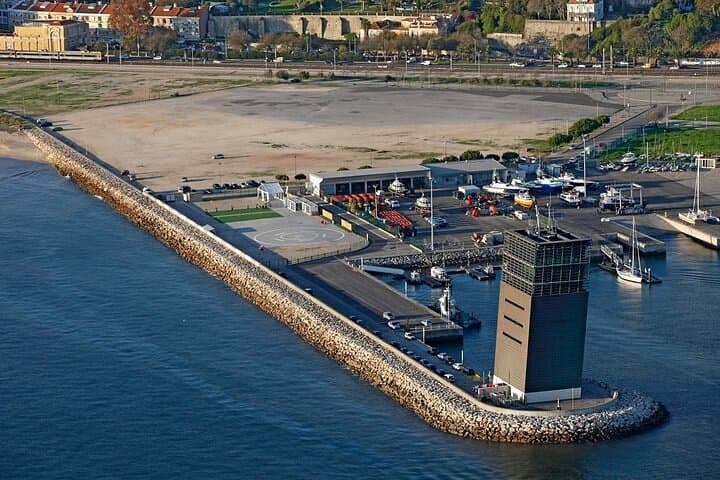
Expect broad seascapes: the Atlantic pushes and sculpts the shore while seabirds wheel and dolphins sometimes thread the whitecaps. The return brings the 25 de Abril bridge into view and a landing near the Port Authority control tower—identified by the operator as connected to a Pritzker Prize–winning legacy.
Practical notes: the flight runs about 18–20 minutes; operators require ID/passport and weight details at booking and may cancel in high winds or low visibility. Wheelchair access, infant seats, and service-animal accommodations are noted—this is accessible flying rather than technical aviation training. Bring a charged camera, a windbreaker for the open rotors on boarding, and expect brief safety briefings. For the clearest photos, book morning light or late afternoon; middle-of-day glare is strongest over the water.
easy.
18–20 minutes.
No special fitness required; accessible to most travelers comfortable boarding a helicopter
The sightseeing circuit lasts about 18–20 minutes from takeoff to landing, with a continuous panoramic route over the Tagus estuary and Atlantic coast.
Flights are canceled for high winds or poor visibility; operators typically offer full refunds if canceled at least 24 hours before departure or due to weather on the day.
Yes—infant seats are available, service animals are permitted, and the operator lists wheelchair accessibility; still advise contacting the provider ahead for specific accommodation details.
Operators ask for passenger weights at booking to balance the helicopter; oversized combined weight may require a seat surcharge or adjusted arrangements—disclose weights when requested.
Estoril became a hotbed of espionage in World War II while Cascais served as a summer retreat for Portuguese royalty; both places shaped the coast’s 19th–20th century cultural identity.
Coastal habitats here are sensitive to erosion and marine disturbance; minimize waste, avoid flying drones near seabird colonies, and respect marked protected areas.
Lisbon Helicopters operates guided outdoor trips and adventures with an emphasis on safety, stewardship, and memorable experiences.
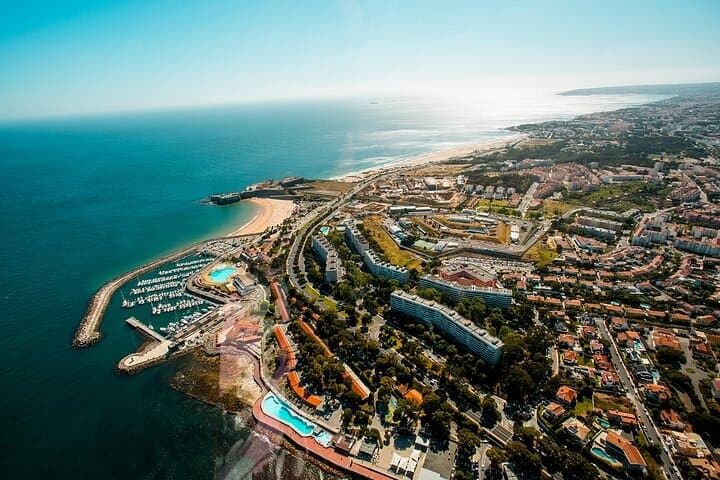
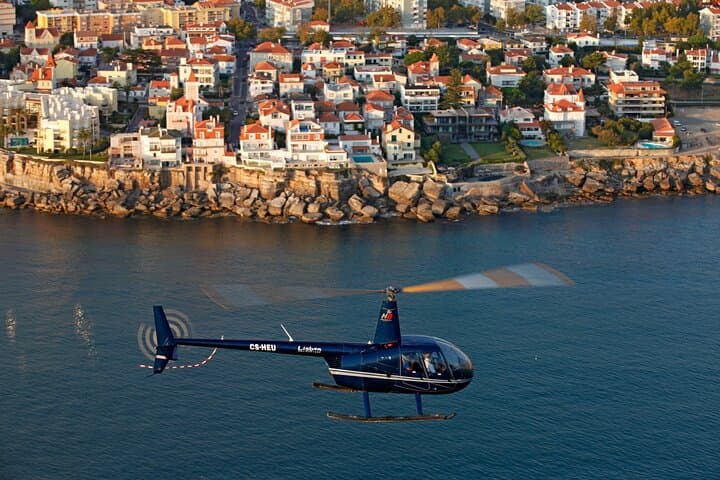
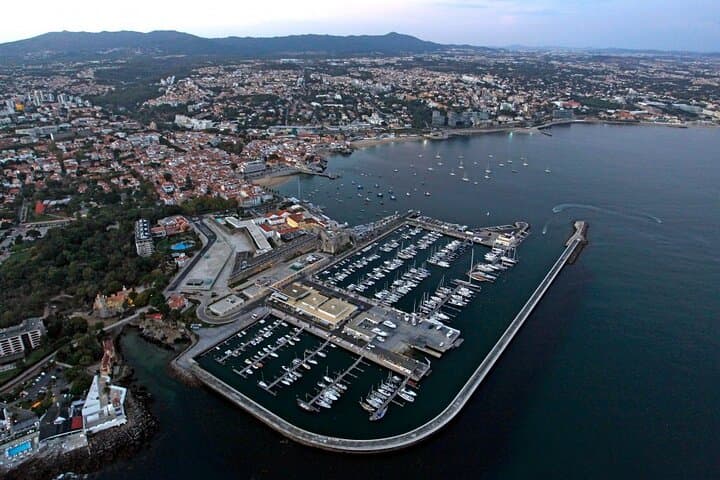
You lift off from Lisbon and the city shrinks beneath a patchwork of tiles and river light. The Tagus estuary opens like a silver lung, the helicopter tilting so the Atlantic coastline unfurls—Bugio lighthouse a tiny finger of safety offshore, the bulky silhouette of the São Julião fortress guarding the river mouth, then a ribbon of sand and surf that becomes Carcavelos, Estoril and, finally, Cascais.
You lift off from Lisbon and the city shrinks beneath a patchwork of tiles and river light. The Tagus estuary opens like a silver lung, the helicopter tilting so the Atlantic coastline unfurls—Bugio lighthouse a tiny finger of safety offshore, the bulky silhouette of the São Julião fortress guarding the river mouth, then a ribbon of sand and surf that becomes Carcavelos, Estoril and, finally, Cascais.
This short aerial circuit traces centuries of human and geological history: estuarine mudflats that fed Lisbon’s port, coastal headlands carved from Jurassic and Cretaceous sedimentary rock, and shorelines that turned royal leisure in Cascais and wartime intrigue in Estoril during World War II. The route highlights cultural touchstones—the gambling-era glamour of Estoril Casino and Cascais’s royal villas—seen from a vantage most visitors never get.
Expect broad seascapes: the Atlantic pushes and sculpts the shore while seabirds wheel and dolphins sometimes thread the whitecaps. The return brings the 25 de Abril bridge into view and a landing near the Port Authority control tower—identified by the operator as connected to a Pritzker Prize–winning legacy.
Practical notes: the flight runs about 18–20 minutes; operators require ID/passport and weight details at booking and may cancel in high winds or low visibility. Wheelchair access, infant seats, and service-animal accommodations are noted—this is accessible flying rather than technical aviation training. Bring a charged camera, a windbreaker for the open rotors on boarding, and expect brief safety briefings. For the clearest photos, book morning light or late afternoon; middle-of-day glare is strongest over the water.