THE ADVENTURE COLLECTIVE® · Independent discovery and booking for outdoor travel

Cover Lisbon’s high points in four hours: hilltop views in Alfama, the earthquake-era grid of Baixa, and the maritime monuments of Belém—guided, private, and with hotel pickup. Expect cobbles, steep streets, and a taste of pastel de nata.
Cover Lisbon’s high points in four hours: hilltop views in Alfama, the earthquake-era grid of Baixa, and the maritime monuments of Belém—guided, private, and with hotel pickup. Expect cobbles, steep streets, and a taste of pastel de nata.
A morning in Lisbon begins on a wind-scoured miradouro above Alfama: tiles glitter, laundry flutters, and the Tagus River dares you to follow its wide blue arc toward the sea.
Verified experiences and guided adventures in the surrounding area.
Operated by No Map Tours · Lisbon, Lisbon
A morning in Lisbon begins on a wind-scoured miradouro above Alfama: tiles glitter, laundry flutters, and the Tagus River dares you to follow its wide blue arc toward the sea.
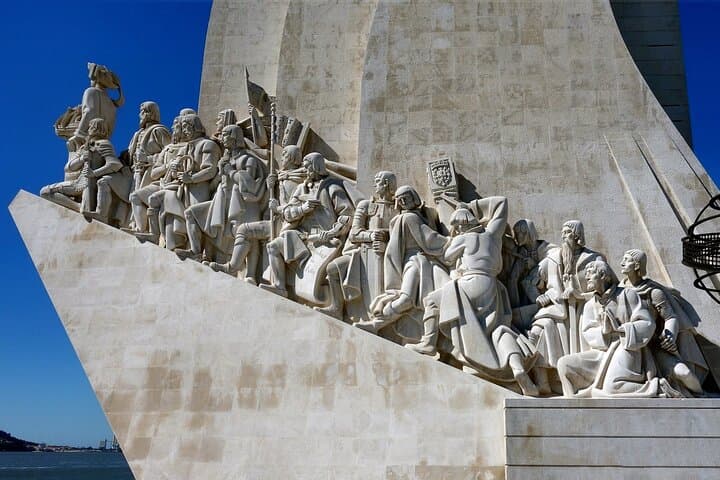
This half-day private tour threads three of the city's defining chapters. Alfama’s narrow lanes reveal medieval footprints and the earthy cry of fado in doorways; Baixa showcases Pombaline planning—one of the world’s earliest earthquake-aware rebuilds after 1755—and broad plazas laid out in a rational grid. Belém opens onto Portugal’s Age of Discovery, where the Monument to the Discoveries and the riverfront tower point to an era of long sails and global exchange.
Geologically, Lisbon sits on a coastal plateau punctured by steep hills and river terraces carved by the Tagus; its stone facades and calçada pavements reflect local limestone and granite. Culturally, expect pastries and public squares as stages for daily life—look for Pastéis de Belém and listen for fado notes slipping from a tavern window.
Practical guidance: the tour covers about 3–4 miles of walking over mixed terrain, including uneven cobbles and short steep climbs. Bring comfortable, grippy shoes and a small daypack; carry water—the guide provides bottled water—and plan to move at a steady but unhurried pace. Timing matters: mornings avoid the heaviest crowds in Belém and make viewpoints in Alfama shine. If rain threatens, a light waterproof layer keeps you moving; if sun dominates, sunscreen and a hat are essential. The private format lets you tailor stops, sample a custard tart, and end with a convenient hotel drop-off—efficient, local, and concentrated into a single, revealing four-hour window.
easy.
4 hours.
Suitable for most travelers who can walk 2–4 miles with short steep sections; stair and hill navigation required.
Expect around 2–4 miles of walking across cobbled streets and short hills over the four-hour tour; the pace is adjustable for private groups.
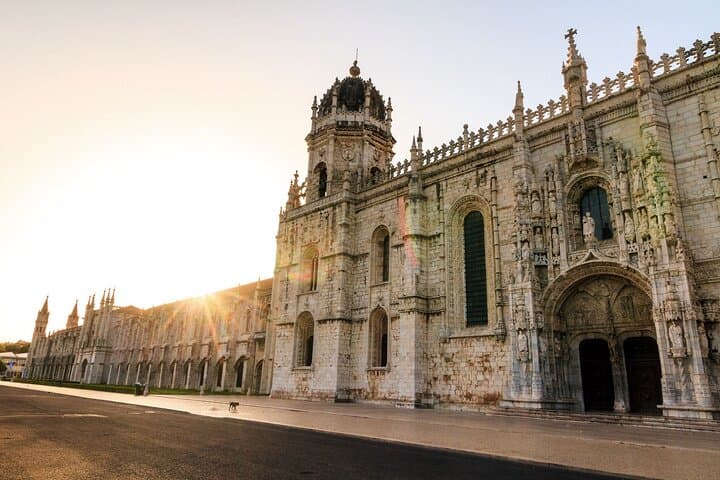
No—this tour includes exterior visits and photo stops; admission to monuments like the Jerónimos Monastery is not included.
Yes—hotel pickup and drop-off in Lisbon are included; specify your pickup point when booking.
Yes—guides will point out local specialties and can recommend or help navigate lines for Pastéis de Belém, though tasting costs are not included.
Lisbon’s modern street plan in Baixa was engineered after the catastrophic 1755 earthquake under the Marquis of Pombal, one of the earliest examples of seismic-conscious urban reconstruction.
Tour operators encourage low-impact visits—avoid feeding birds, use refillable bottles, and respect historical sites by staying on designated paths.
No Map Tours operates guided outdoor trips and adventures with an emphasis on safety, stewardship, and memorable experiences.


A morning in Lisbon begins on a wind-scoured miradouro above Alfama: tiles glitter, laundry flutters, and the Tagus River dares you to follow its wide blue arc toward the sea.
A morning in Lisbon begins on a wind-scoured miradouro above Alfama: tiles glitter, laundry flutters, and the Tagus River dares you to follow its wide blue arc toward the sea.
This half-day private tour threads three of the city's defining chapters. Alfama’s narrow lanes reveal medieval footprints and the earthy cry of fado in doorways; Baixa showcases Pombaline planning—one of the world’s earliest earthquake-aware rebuilds after 1755—and broad plazas laid out in a rational grid. Belém opens onto Portugal’s Age of Discovery, where the Monument to the Discoveries and the riverfront tower point to an era of long sails and global exchange.
Geologically, Lisbon sits on a coastal plateau punctured by steep hills and river terraces carved by the Tagus; its stone facades and calçada pavements reflect local limestone and granite. Culturally, expect pastries and public squares as stages for daily life—look for Pastéis de Belém and listen for fado notes slipping from a tavern window.
Practical guidance: the tour covers about 3–4 miles of walking over mixed terrain, including uneven cobbles and short steep climbs. Bring comfortable, grippy shoes and a small daypack; carry water—the guide provides bottled water—and plan to move at a steady but unhurried pace. Timing matters: mornings avoid the heaviest crowds in Belém and make viewpoints in Alfama shine. If rain threatens, a light waterproof layer keeps you moving; if sun dominates, sunscreen and a hat are essential. The private format lets you tailor stops, sample a custard tart, and end with a convenient hotel drop-off—efficient, local, and concentrated into a single, revealing four-hour window.