THE ADVENTURE COLLECTIVE® · Independent discovery and booking for outdoor travel

Three hours of hilltop views, tram clatter and tiled facades—this guided walk pairs Lisbon’s seismic history with practical local tips, coffee break included. Follow a local guide through Alfama, Baixa and Bairro Alto to learn how the 1755 earthquake reshaped the city and discover quiet viewpoints off the main paths.
Three hours of hilltop views, tram clatter and tiled facades—this guided walk pairs Lisbon’s seismic history with practical local tips, coffee break included. Follow a local guide through Alfama, Baixa and Bairro Alto to learn how the 1755 earthquake reshaped the city and discover quiet viewpoints off the main paths.
The cobbles slope underfoot and the city exhales—salt from the Tagus, espresso steam, tram brakes—before a small group threads uphill through Bairro Alto. The Lisbon Essential Walking Tour moves at the city’s natural pace: frequent stops, conversational history, and views that reward a careful glance.
Verified experiences and guided adventures in the surrounding area.
Operated by Lisboa Autêntica · Lisbon, Lisbon
The cobbles slope underfoot and the city exhales—salt from the Tagus, espresso steam, tram brakes—before a small group threads uphill through Bairro Alto. The Lisbon Essential Walking Tour moves at the city’s natural pace: frequent stops, conversational history, and views that reward a careful glance.
Guides sketch the arc of Lisbon’s story here: medieval Alfama’s narrow lanes, the Pombaline grid rebuilt after the 1755 earthquake, and the scars and civic memory etched into Carmo convent where the Carnation Revolution began. Geology shows itself in the city’s seven hills—granite outcrops and river terraces that created the panoramic viewpoints of São Pedro de Alcântara and Portas do Sol. Culture arrives in tiled façades, Mannerist church interiors, and the cadence of fado seeping from side-street houses.
Practical rhythm replaces spectacle: expect three hours of mostly gentle walking with frequent pauses, a tram climb between viewpoints, and a coffee-and-pasteis stop to recalibrate. The route covers paved streets, some steep inclines and stairways, and crowded sidewalks in peak season. Wear grippy shoes, carry water, and plan for sudden microclimates—sunny squares shaded by sudden alleys.
Timing matters: mornings bring clearer light and quieter lanes; late afternoons gild the river but attract crowds. The tour is language-flexible and suited to those with basic mobility; bring a small daypack and a charged phone for photos and map checks. For travelers who want context with their sightseeing, this is a compact, informative introduction to Lisbon’s layered city center.
easy.
3 hours.
Suitable for most fitness levels—able to walk 2–4 miles on varied paved terrain and climb stairs.
The tour lasts about three hours and includes gentle walking with some steep sections and stairways; plan for 2–4 miles covered.
Yes, a short tram segment is included as part of the itinerary and gives access to higher viewpoints without additional cost.
Stroller access is possible on many sections, but wheelchair accessibility is limited by steep cobbles and steps—check specifics with the operator before booking.
Tours are offered in multiple languages; select your preferred language at booking or ask the provider for availability.
Lisbon’s urban form was dramatically reshaped by the 1755 earthquake and subsequent Pombaline reconstruction, while sites like Carmo mark 20th-century political change including the 1974 Carnation Revolution.
Historic quarters face wear from heavy foot traffic; visitors can reduce impact by staying on paved routes, avoiding graffiti, and supporting local businesses to keep neighborhoods vibrant.
Lisboa Autêntica operates guided outdoor trips and adventures with an emphasis on safety, stewardship, and memorable experiences.
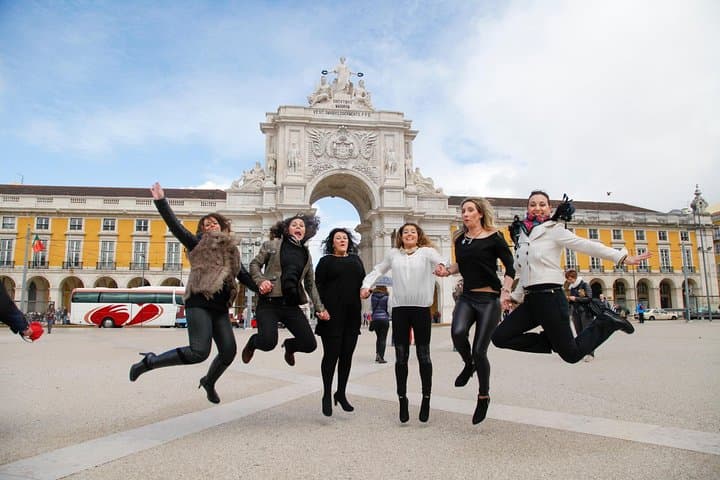


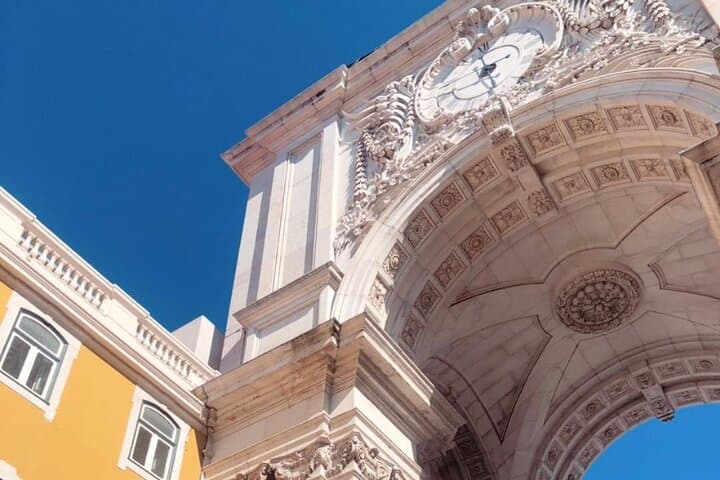
The cobbles slope underfoot and the city exhales—salt from the Tagus, espresso steam, tram brakes—before a small group threads uphill through Bairro Alto. The Lisbon Essential Walking Tour moves at the city’s natural pace: frequent stops, conversational history, and views that reward a careful glance.
The cobbles slope underfoot and the city exhales—salt from the Tagus, espresso steam, tram brakes—before a small group threads uphill through Bairro Alto. The Lisbon Essential Walking Tour moves at the city’s natural pace: frequent stops, conversational history, and views that reward a careful glance.
Guides sketch the arc of Lisbon’s story here: medieval Alfama’s narrow lanes, the Pombaline grid rebuilt after the 1755 earthquake, and the scars and civic memory etched into Carmo convent where the Carnation Revolution began. Geology shows itself in the city’s seven hills—granite outcrops and river terraces that created the panoramic viewpoints of São Pedro de Alcântara and Portas do Sol. Culture arrives in tiled façades, Mannerist church interiors, and the cadence of fado seeping from side-street houses.
Practical rhythm replaces spectacle: expect three hours of mostly gentle walking with frequent pauses, a tram climb between viewpoints, and a coffee-and-pasteis stop to recalibrate. The route covers paved streets, some steep inclines and stairways, and crowded sidewalks in peak season. Wear grippy shoes, carry water, and plan for sudden microclimates—sunny squares shaded by sudden alleys.
Timing matters: mornings bring clearer light and quieter lanes; late afternoons gild the river but attract crowds. The tour is language-flexible and suited to those with basic mobility; bring a small daypack and a charged phone for photos and map checks. For travelers who want context with their sightseeing, this is a compact, informative introduction to Lisbon’s layered city center.