THE ADVENTURE COLLECTIVE® · Independent discovery and booking for outdoor travel

Pedal through Lisbon’s steep streets and taste five local specialties across Alfama, Graça and Mouraria. This three-hour e-bike tour pairs neighborhood history with practical on-bike guidance and curated tastings.
Pedal through Lisbon’s steep streets and taste five local specialties across Alfama, Graça and Mouraria. This three-hour e-bike tour pairs neighborhood history with practical on-bike guidance and curated tastings.
The Tagus breeze meets the hum of electric motors as the group rolls out from Terreiro do Paço, cobblestones clicking beneath fat tires. You feel the city’s slope under you — steep viewpoints giving way to narrow alleys — while the guide times stops so flavors and stories land between paces.
Verified experiences and guided adventures in the surrounding area.
Operated by Boost Portugal · Lisbon, Lisbon
The Tagus breeze meets the hum of electric motors as the group rolls out from Terreiro do Paço, cobblestones clicking beneath fat tires. You feel the city’s slope under you — steep viewpoints giving way to narrow alleys — while the guide times stops so flavors and stories land between paces.
This three-hour loop threads Alfama’s medieval lanes, the baroque sweep around the National Pantheon, and the multicultural kitchens of Mouraria. Lisbon’s urban geology is obvious in every climb and stair: a city rebuilt after the 1755 earthquake under the Pombaline grid, where engineered facades face the river and older Moorish alley patterns persist on the hills. Food here maps culture — petiscos, pastry shops, and corner taverns that reflect centuries of sailors, migrants, and neighborhood saints.
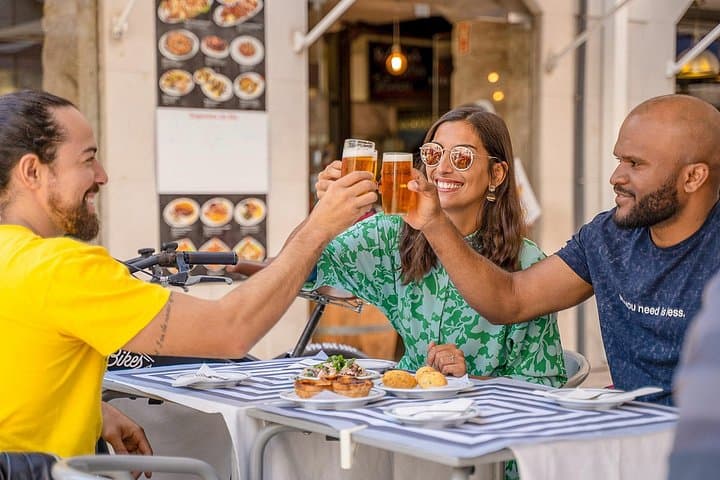
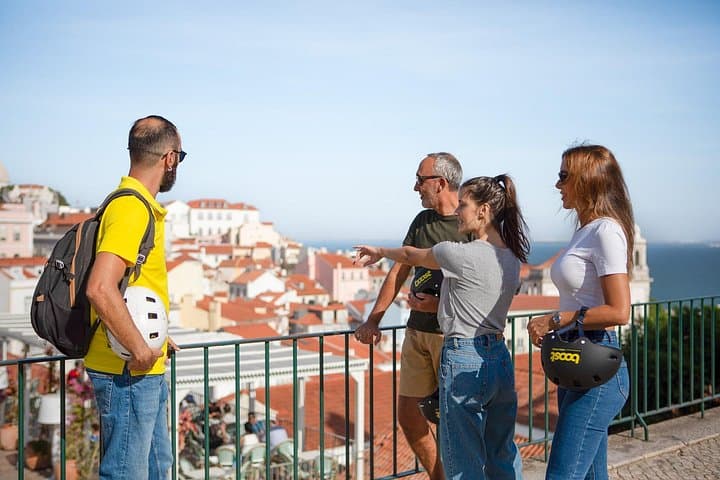
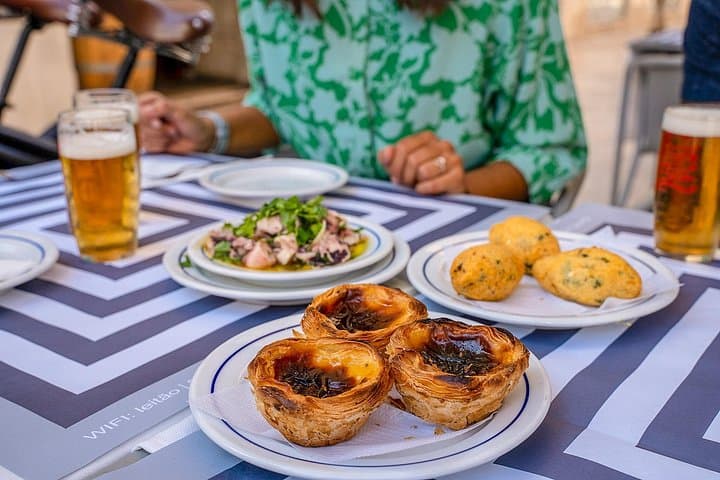
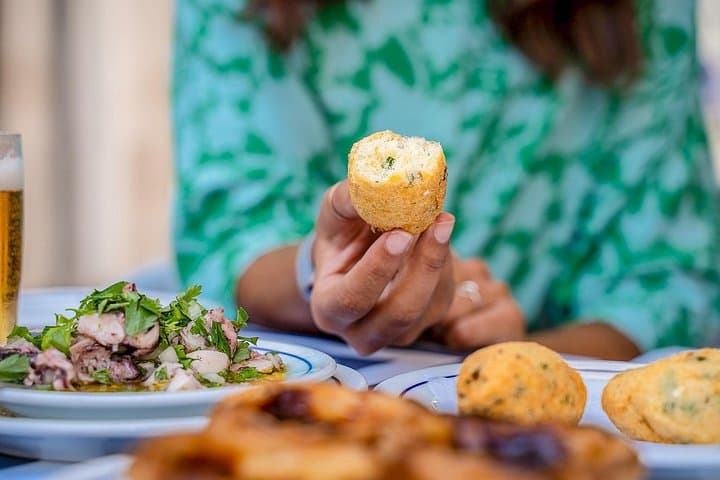
Expect five tastings that vary by local availability: a savory petisco, a pasteis de nata stop, a small fish or seafood bite, a traditional sandwich or stew, and a drink pairing. Guides mix culinary notes with practical local tips — which miradouro gets the best sunset, where to avoid pickpocket hotspots, and how to read tram lines to escape a steep climb.
Practical edge: helmets are mandatory, check in 15 minutes early, and the operator provides an e-bike lesson before departure. The route uses mixed cobbles and narrow streets; being comfortable on an electric-assist bike and following traffic rules makes the ride safe and enjoyable.
moderate.
3 hours.
Moderate fitness: comfortable on a bike, able to stand and walk short sections and climb gentle hills.
Yes; helmets are mandatory and provided by the operator at check-in.
Yes; an electric bike adaptation lesson is included, but participants should have basic balance and a moderate fitness level.
Tasting selection depends on availability and group preferences—advise the operator of dietary restrictions at booking so alternative options can be arranged.
Participants must be at least 1.5 meters tall and not exceed 118 kg (260.14 lbs); the tour is not recommended for pregnant travelers or people with serious heart or spinal conditions.
The downtown reconstruction after the 1755 earthquake created the Pombaline grid and neoclassical facades facing the Tagus, shaping the streets you traverse by e-bike.
E-bikes reduce the tour's carbon footprint compared with vehicles; visitors are asked to follow local traffic laws and avoid littering in historic neighborhoods to protect fragile streetscapes.
Boost Portugal operates guided outdoor trips and adventures with an emphasis on safety, stewardship, and memorable experiences.
The Tagus breeze meets the hum of electric motors as the group rolls out from Terreiro do Paço, cobblestones clicking beneath fat tires. You feel the city’s slope under you — steep viewpoints giving way to narrow alleys — while the guide times stops so flavors and stories land between paces.
The Tagus breeze meets the hum of electric motors as the group rolls out from Terreiro do Paço, cobblestones clicking beneath fat tires. You feel the city’s slope under you — steep viewpoints giving way to narrow alleys — while the guide times stops so flavors and stories land between paces.
This three-hour loop threads Alfama’s medieval lanes, the baroque sweep around the National Pantheon, and the multicultural kitchens of Mouraria. Lisbon’s urban geology is obvious in every climb and stair: a city rebuilt after the 1755 earthquake under the Pombaline grid, where engineered facades face the river and older Moorish alley patterns persist on the hills. Food here maps culture — petiscos, pastry shops, and corner taverns that reflect centuries of sailors, migrants, and neighborhood saints.
Expect five tastings that vary by local availability: a savory petisco, a pasteis de nata stop, a small fish or seafood bite, a traditional sandwich or stew, and a drink pairing. Guides mix culinary notes with practical local tips — which miradouro gets the best sunset, where to avoid pickpocket hotspots, and how to read tram lines to escape a steep climb.
Practical edge: helmets are mandatory, check in 15 minutes early, and the operator provides an e-bike lesson before departure. The route uses mixed cobbles and narrow streets; being comfortable on an electric-assist bike and following traffic rules makes the ride safe and enjoyable.