THE ADVENTURE COLLECTIVE® · Independent discovery and booking for outdoor travel

Head out from Parque das Nações for a three-hour dolphin-watching cruise led by a marine biologist. Learn about cetacean behavior, contribute to real-time research, and see Lisbon’s coastline from a marine perspective.
Head out from Parque das Nações for a three-hour dolphin-watching cruise led by a marine biologist. Learn about cetacean behavior, contribute to real-time research, and see Lisbon’s coastline from a marine perspective.
A cool breeze off the Tagus pushes past the Oceanic Lounge as the boat eases away from Parque das Nações. Salt and engine hum set the rhythm while the city’s tile roofs recede into a serrated skyline; beyond the estuary the Atlantic opens and the water starts to move with a more ancient cadence. Onboard, a marine biologist checks instruments and points out dorsal fins on the horizon — a practiced eye turning chance into a teachable moment.
Verified experiences and guided adventures in the surrounding area.
Operated by Terra Incognita · Lisbon, Lisbon
A cool breeze off the Tagus pushes past the Oceanic Lounge as the boat eases away from Parque das Nações. Salt and engine hum set the rhythm while the city’s tile roofs recede into a serrated skyline; beyond the estuary the Atlantic opens and the water starts to move with a more ancient cadence. Onboard, a marine biologist checks instruments and points out dorsal fins on the horizon — a practiced eye turning chance into a teachable moment.
This experience connects Lisbon’s maritime past with modern science. The city’s riverside trade routes shaped centuries of exploration; today those same waters host resident and transient cetaceans that scientists monitor in partnership with Oceanário de Lisboa and ICNF. Geologically, the Tagus estuary is a mixing zone where fresh river flow meets Atlantic swell, creating rich feeding grounds for fish and the dolphins that follow them. Culturally, the tour underscores Portugal’s fishing legacy and growing marine conservation ethic.
Practical guidance: the trip is about three hours total; wear non-slip shoes and bring layers — mornings can be calm, afternoons breezier. Binoculars sharpen distant fins; a light waterproof and seasickness prevention keep you comfortable. Hydrate and use sun protection even when cool; the reflective water amplifies UV. Expect active wildlife viewing, not guaranteed sightings, though this operator reports very high success rates. Pack a small camera with a zoom lens and a reusable water bottle; the Oceanic Lounge provides briefings and facilities before departure.
The tour balances curiosity and conservation — an accessible way to learn about Portugal’s coastal ecosystems while contributing to ongoing research.
moderate.
3 hours.
Moderate fitness—able to move on a vessel and stand for extended viewing periods.
Meet at the Oceanic Lounge at Parque das Nações, next to Oceanário de Lisboa; facilities and a safety briefing are provided before departure.
No tour can guarantee sightings, but this operator reports very high success rates in their regular survey area.
Children are welcome, but the operator recommends against travel for pregnant people and those with serious spinal or cardiovascular issues.
Trips are cancelled in unsafe conditions; you’ll receive a full refund if the operator cancels due to weather when within the stated cancellation window.
Lisbon’s waterfront has anchored maritime trade and exploration for centuries; contemporary tours link that seafaring heritage with modern marine science.
The tour contributes sighting data to Oceanário de Lisboa and regional cetacean monitoring programs; operators emphasize minimal disturbance and no-chase viewing policies.
Terra Incognita operates guided outdoor trips and adventures with an emphasis on safety, stewardship, and memorable experiences.
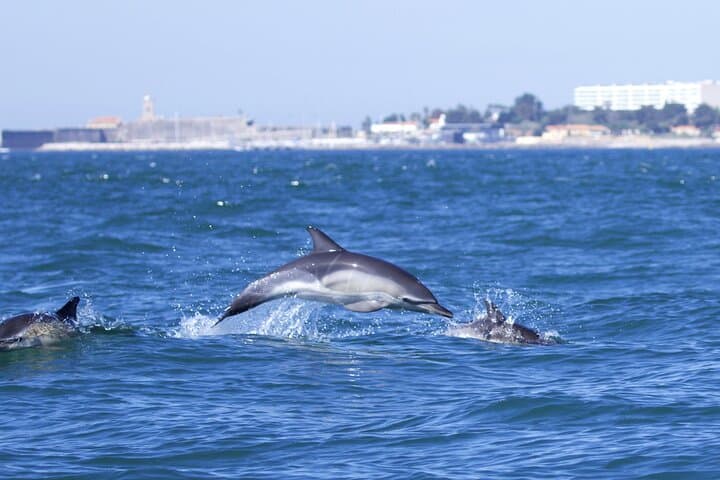
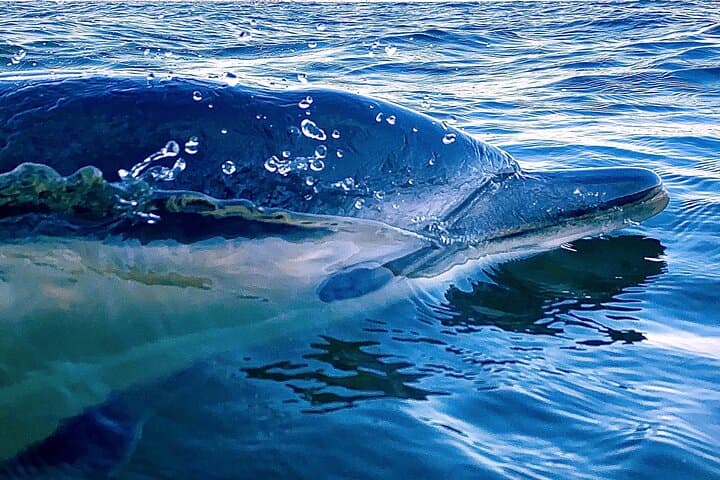
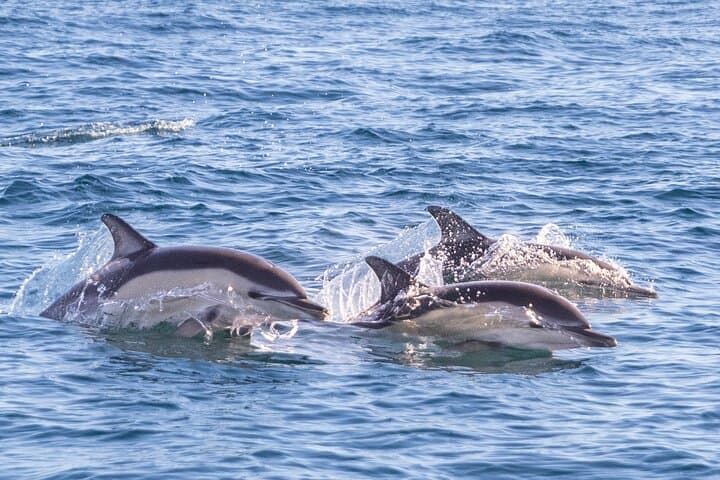
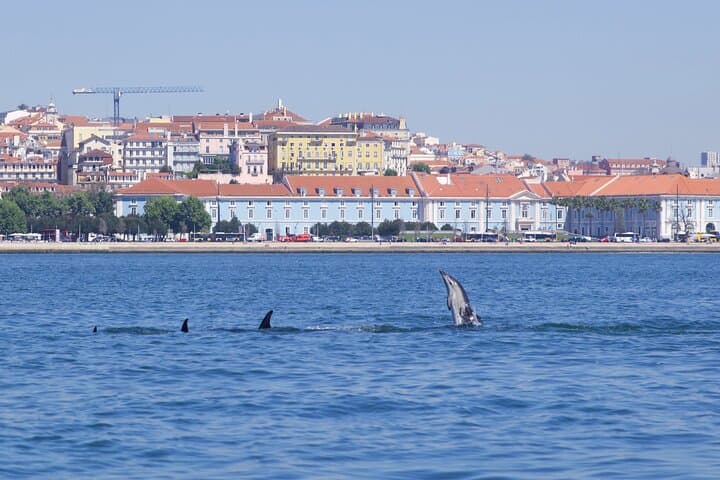
A cool breeze off the Tagus pushes past the Oceanic Lounge as the boat eases away from Parque das Nações. Salt and engine hum set the rhythm while the city’s tile roofs recede into a serrated skyline; beyond the estuary the Atlantic opens and the water starts to move with a more ancient cadence. Onboard, a marine biologist checks instruments and points out dorsal fins on the horizon — a practiced eye turning chance into a teachable moment.
A cool breeze off the Tagus pushes past the Oceanic Lounge as the boat eases away from Parque das Nações. Salt and engine hum set the rhythm while the city’s tile roofs recede into a serrated skyline; beyond the estuary the Atlantic opens and the water starts to move with a more ancient cadence. Onboard, a marine biologist checks instruments and points out dorsal fins on the horizon — a practiced eye turning chance into a teachable moment.
This experience connects Lisbon’s maritime past with modern science. The city’s riverside trade routes shaped centuries of exploration; today those same waters host resident and transient cetaceans that scientists monitor in partnership with Oceanário de Lisboa and ICNF. Geologically, the Tagus estuary is a mixing zone where fresh river flow meets Atlantic swell, creating rich feeding grounds for fish and the dolphins that follow them. Culturally, the tour underscores Portugal’s fishing legacy and growing marine conservation ethic.
Practical guidance: the trip is about three hours total; wear non-slip shoes and bring layers — mornings can be calm, afternoons breezier. Binoculars sharpen distant fins; a light waterproof and seasickness prevention keep you comfortable. Hydrate and use sun protection even when cool; the reflective water amplifies UV. Expect active wildlife viewing, not guaranteed sightings, though this operator reports very high success rates. Pack a small camera with a zoom lens and a reusable water bottle; the Oceanic Lounge provides briefings and facilities before departure.
The tour balances curiosity and conservation — an accessible way to learn about Portugal’s coastal ecosystems while contributing to ongoing research.