THE ADVENTURE COLLECTIVE® · Independent discovery and booking for outdoor travel

Swap Lisbon’s riverfront for the open Atlantic on an 8.5m RIB led by a marine biologist. In three hours you’ll scan for dolphins, whales, sunfish and seabirds, learn survey techniques, and return past Belém’s monuments.
Swap Lisbon’s riverfront for the open Atlantic on an 8.5m RIB led by a marine biologist. In three hours you’ll scan for dolphins, whales, sunfish and seabirds, learn survey techniques, and return past Belém’s monuments.
The RIB lifts off the Tagus with spray at your knees and the 25th of April Bridge sliding past overhead. In three hours you trade the city’s tiled rooftops for low, open horizon; the Atlantic stretches cool and gray, and every ripple feels like a clue. Onboard, a marine biologist trains binoculars and explains how to read the water—foam lines, feeding flocks, and the tell-tale dorsal breaks of cetaceans.
Verified experiences and guided adventures in the surrounding area.
Operated by SeaEO-Tours · Lisbon, Lisbon
The RIB lifts off the Tagus with spray at your knees and the 25th of April Bridge sliding past overhead. In three hours you trade the city’s tiled rooftops for low, open horizon; the Atlantic stretches cool and gray, and every ripple feels like a clue. Onboard, a marine biologist trains binoculars and explains how to read the water—foam lines, feeding flocks, and the tell-tale dorsal breaks of cetaceans.
This corridor where the Tagus meets the Atlantic concentrates food and life: migratory seabirds, sunfish (mola), seasonal cetaceans, and occasional loggerhead turtles. Geologically, Lisbon’s coast is part of the Estremadura limestone shelf punctuated by sandy beaches and submarine canyons that funnel nutrients. Culturally, Belem’s riverside monuments make a photogenic return leg—history brushing up against a living ocean.
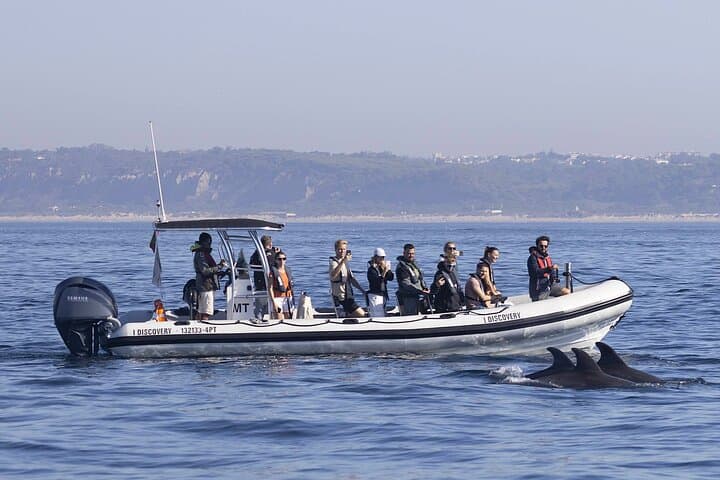
Expect a field-science vibe rather than a theme-park cruise: guests help scan and log sightings using techniques the guide demonstrates. The operator runs 8.5m RIBs for agility; lifejackets are provided and seating is jockey-style, though standing to scan is allowed. The trip is family-friendly above age five but not recommended for pregnant guests or people with serious spinal/heart issues; seasickness medication is available.
Practical tips: dress windproof layers, secure camera gear, and bring snacks that sit light. Morning departures often offer calmer seas and more active feeding behavior. Whether you’re after close dolphin passes or simply want the electric clarity of the open Atlantic, this short, expert-guided outing delivers a compact dose of marine life and coastal perspective.
easy.
3 hours.
Suitable for people with basic mobility who can remain seated and stand briefly; no special fitness required
The tour lasts about three hours and departs from Doca de Santo Amaro in the Alcântara neighborhood, near the 25th of April Bridge.
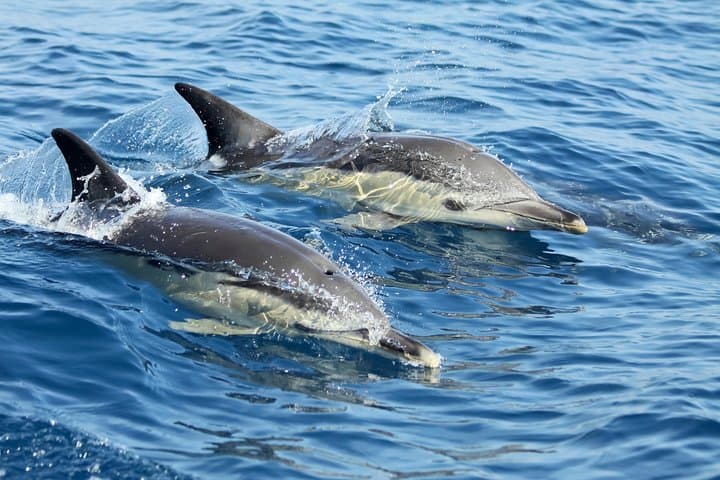
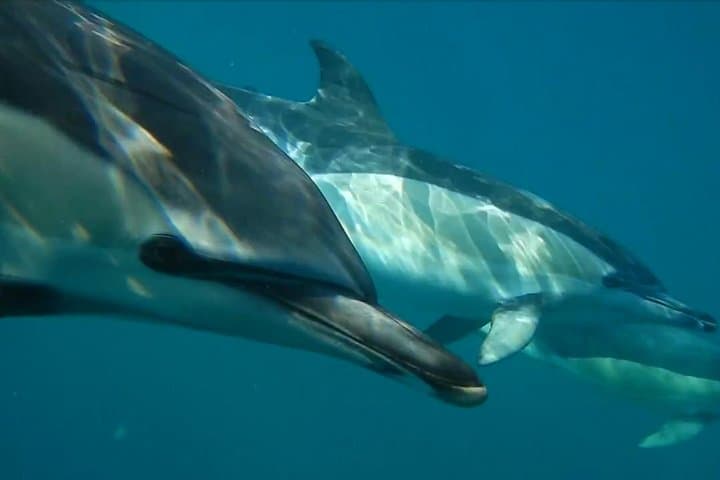
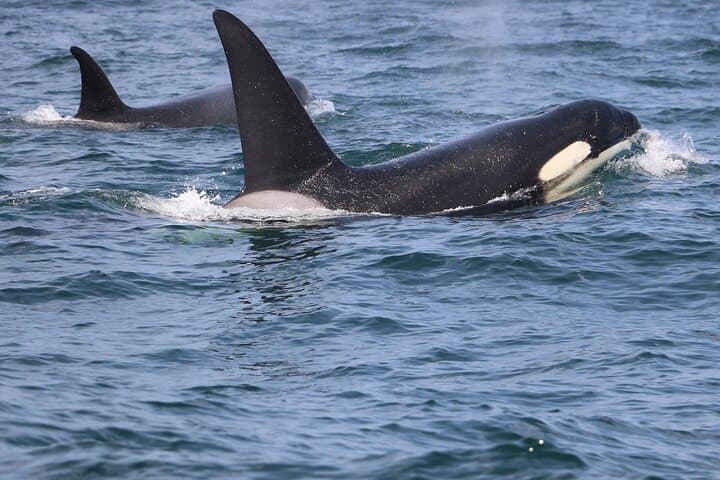
Common encounters include dolphins and a variety of seabirds; depending on season you may also see sunfish, sea turtles, and occasional whales or shark species.
Children over five are allowed; the operator advises against participation for pregnant guests and people with serious spinal or cardiovascular conditions.
Wear warm, windproof layers, non-slip shoes, and bring binoculars, sunscreen, and a waterproof case for electronics.
Lisbon’s port has been a maritime crossroads since the Age of Discovery; Belem’s monuments mark the city’s seafaring legacy that continues in modern marine research.
Operators follow guidelines to minimize disturbance—maintain distance during sightings and log data to support local cetacean monitoring programs.
SeaEO-Tours operates guided outdoor trips and adventures with an emphasis on safety, stewardship, and memorable experiences.
The RIB lifts off the Tagus with spray at your knees and the 25th of April Bridge sliding past overhead. In three hours you trade the city’s tiled rooftops for low, open horizon; the Atlantic stretches cool and gray, and every ripple feels like a clue. Onboard, a marine biologist trains binoculars and explains how to read the water—foam lines, feeding flocks, and the tell-tale dorsal breaks of cetaceans.
The RIB lifts off the Tagus with spray at your knees and the 25th of April Bridge sliding past overhead. In three hours you trade the city’s tiled rooftops for low, open horizon; the Atlantic stretches cool and gray, and every ripple feels like a clue. Onboard, a marine biologist trains binoculars and explains how to read the water—foam lines, feeding flocks, and the tell-tale dorsal breaks of cetaceans.
This corridor where the Tagus meets the Atlantic concentrates food and life: migratory seabirds, sunfish (mola), seasonal cetaceans, and occasional loggerhead turtles. Geologically, Lisbon’s coast is part of the Estremadura limestone shelf punctuated by sandy beaches and submarine canyons that funnel nutrients. Culturally, Belem’s riverside monuments make a photogenic return leg—history brushing up against a living ocean.
Expect a field-science vibe rather than a theme-park cruise: guests help scan and log sightings using techniques the guide demonstrates. The operator runs 8.5m RIBs for agility; lifejackets are provided and seating is jockey-style, though standing to scan is allowed. The trip is family-friendly above age five but not recommended for pregnant guests or people with serious spinal/heart issues; seasickness medication is available.
Practical tips: dress windproof layers, secure camera gear, and bring snacks that sit light. Morning departures often offer calmer seas and more active feeding behavior. Whether you’re after close dolphin passes or simply want the electric clarity of the open Atlantic, this short, expert-guided outing delivers a compact dose of marine life and coastal perspective.